Somewhere in Malaysia right now, someone is unwrapping a Ramly burger from its paper. The patty is folded inside a thin omelette, the chilli sauce is running, and the stall’s generator is humming.
Nobody calls it a “beef patty in egg”. They call it by the brand name. That is the whole game.
Malaysians eat with conviction. They argue about the best nasi lemak, the right thickness of kaya toast, whether teh tarik tastes right from a paper cup at all (a vocal camp says it does not count). A food brand that survives that scrutiny has earned something.
The top F&B brands in Malaysia are the home-grown food and drink names, from tea estates and snack makers to fast-food and coffee chains, that Malaysians recognise instantly, buy habitually and increasingly export, because each has turned a local taste into a dependable promise.
Here are ten worth knowing, and what each one teaches.
How we chose these ten
There is no single authoritative league table of Malaysian food and drink brands. Brand-valuation rankings are dominated by banks and energy companies, and shopper-panel rankings measure how often brands are bought across every supermarket aisle, from detergent to dairy, not food brands alone. So this is an editorial selection, and the basis is stated plainly.
Every brand here was founded in Malaysia (or, in one case, launched in Malaysia and Singapore together).
Each was selected on market presence, consumer recognition and growth, with a bias towards brands that have built a distinct identity rather than simply a big distribution network. Where an independent measure exists, we mention it. The order runs roughly from oldest to youngest. It is not a ranking by sales.
Why does halal matter so much to Malaysian food brands?
It is the question outsiders ask first, and the answer explains half this list.
In a Muslim-majority country, halal status is not a niche claim. It is the entry ticket.
The more interesting point is commercial. Halal works rather like an ingredient brand: a mark that borrows trust from a wider system and lends it to a product. And its real advantage lies less in the logo on the pack than in how a company is run behind the scenes.
Watch for that as you read. Ramly was built on halal from day one, and Marrybrown counts among the world’s largest halal fast-food chains. Neither treats it as a sticker.
The old guard
1. BOH
BOH began in 1929, when a British-born businessman, J. A. Russell, started a tea plantation in what was then Malaya. Its estate in the Cameron Highlands, in Pahang, is the largest tea plantation in the country, and BOH is the largest black tea manufacturer in Malaysia.
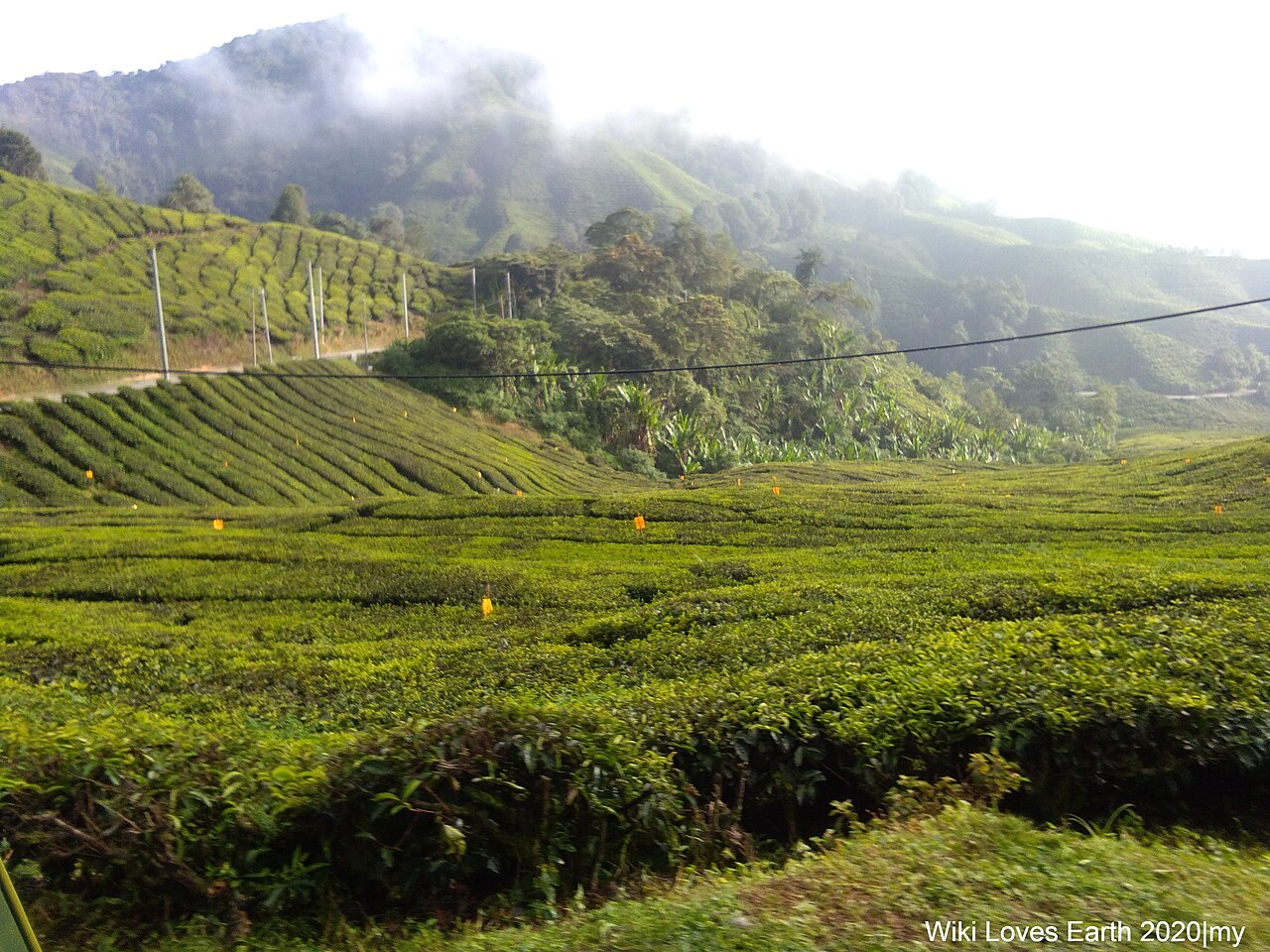
The brand sells a place as much as a drink. The rolling green terraces of the highlands, cool mist, a factory you can tour: all of it is folded into every teabag. For a commodity product, that is the smartest possible move. Tea is tea until you can picture the hill it grew on.
BOH’s estates have names of their own: Sungai Palas, Fairlie, Habu. Names like these work the way vineyard names work on a wine list, adding a layer of provenance that cheaper blends cannot copy. A small tea brand anywhere could borrow that idea tomorrow.
2. Mamee
Pang Chin Hin founded Mamee in 1971, and its most famous product was born from an accident. The company’s instant noodles, sold as Lucky, were going nowhere until the family noticed farm workers eating them raw, straight from the packet, with the seasoning sprinkled on. The noodles were relaunched as a snack, Mamee Monster.
Mamee’s ‘Save Our Snack’ campaign shows how a mascot born of a happy accident still carries the brand decades on.
The lesson is about listening. Customers had already invented the product; the brand just had to notice. Mamee now exports to around a hundred countries under the line “A World of Good Taste”, and it is especially popular in Singapore, Brunei, Indonesia and southern Thailand, where the Monster on the packet is as familiar as at home.
Rice, sport and the burger stall
3. Marrybrown
Lawrence and Nancy Liew opened the first Marrybrown in a small shop lot on Jalan Wong Ah Fook in Johor Bahru in 1981. In 1986 the chain introduced Nasi Marrybrown, making it the first Malaysian fast-food restaurant to put rice on the menu.
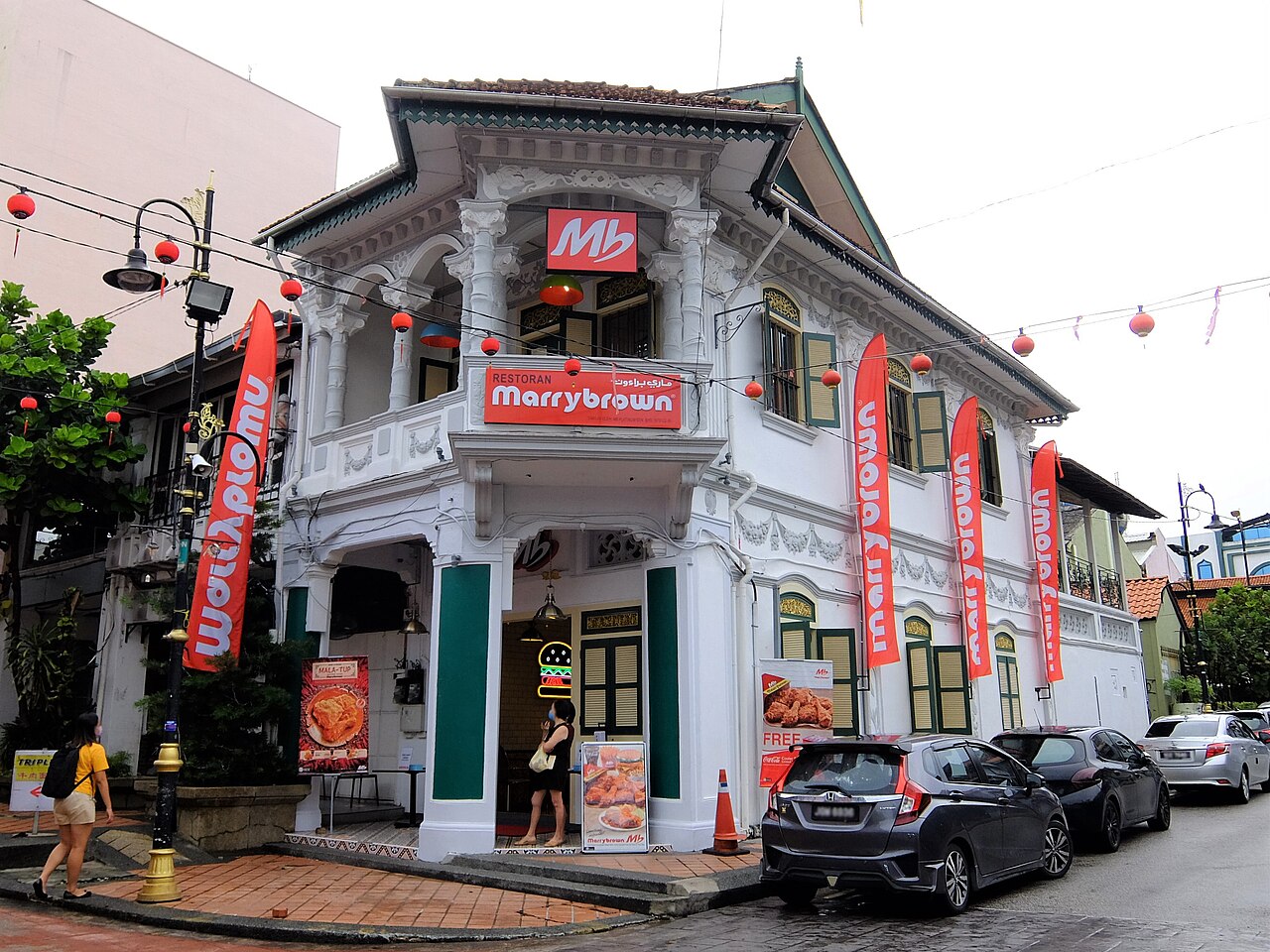
That one decision is the brand. Global burger chains taught Malaysians to eat fried chicken in a bun. Marrybrown served it the way people already ate at home, then added nasi lemak and chicken porridge.
It is counted among the world’s largest halal fast-food chains, with more than 250 locations, and it has operated in some twenty countries over the years.
4. 100PLUS
100PLUS was launched by Fraser and Neave in Malaysia and Singapore in 1983, its name marking a hundred years since F&N’s founding. It is an isotonic drink, and it has stuck to that idea with unusual discipline.
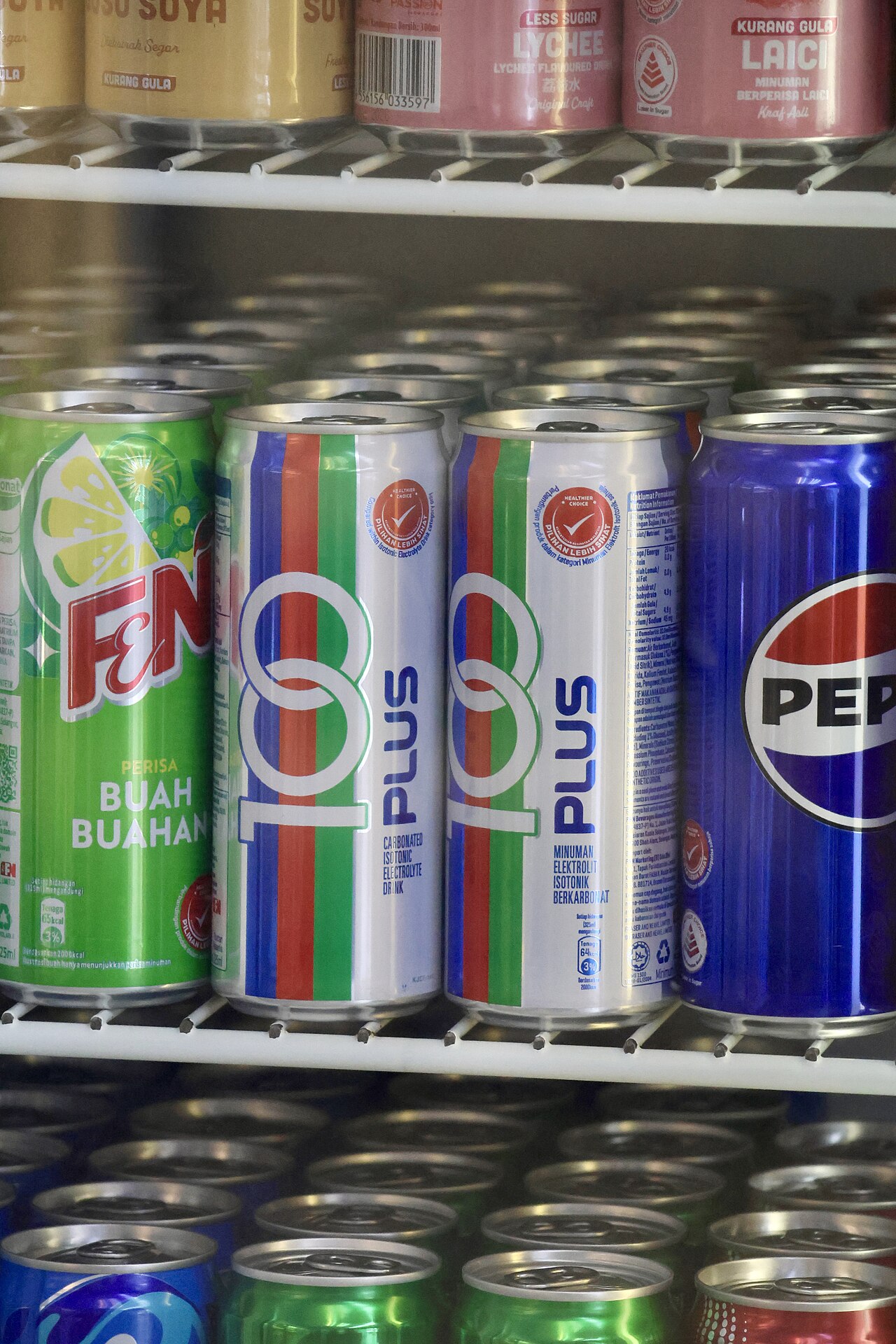
The brand lives in sport. The badminton great Lee Chong Wei has been its ambassador, and it became title sponsor of Malaysia’s football Premier League in 2016. Pour it after a game of futsal and it tastes like effort repaid.
In 2026 Brand Finance named it Malaysia’s fastest-growing brand, its value up 166% to USD190 million, which is remarkable for a product more than forty years old.
5. Ramly
Ramly bin Mokni was working as a butcher when he noticed that the halal status of much of the fresh meat on sale was unclear. He decided to produce halal-certified meat himself.
Ramly burgers have been sold from street stalls since 1979, and his company was formed in 1984.
Ramly is the only brand on this list with a problem most brands would love: the name has become generic. “Ramly burger” now describes a style of burger, egg-wrapped and sauced to the vendor’s taste, whether or not the patty inside is a Ramly. By 2015 there were estimated to be more than 25,000 stalls across the country.
It is a brand built by thousands of independent hawkers, none of whom work for it.
The café generation
6. Secret Recipe
Secret Recipe opened in 1997 and became known for something Malaysians did not then associate with local chains: cheesecake. It now runs more than 440 outlets across the region.
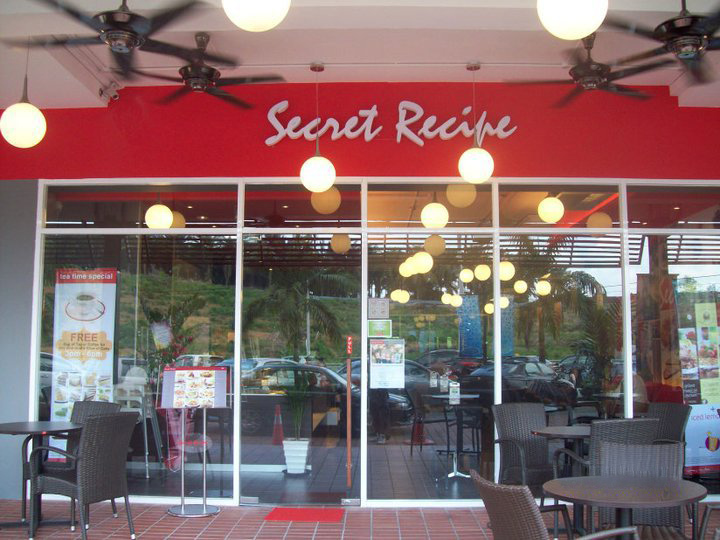
It proved that a Malaysian brand could own the “nice café” occasion: birthday cakes, after-work catch-ups, a slice and a coffee. It took a Western dessert, made it familiar and affordable, and put it in malls across the country. The name, with its hint of a family secret, does a lot of quiet work.
7. OldTown White Coffee
OldTown was founded in Ipoh in 1999, and in 2005 it launched a café chain modelled on the traditional Ipoh coffee shop. In effect, it bottled the nostalgia of an old kopitiam and served it far beyond Ipoh.
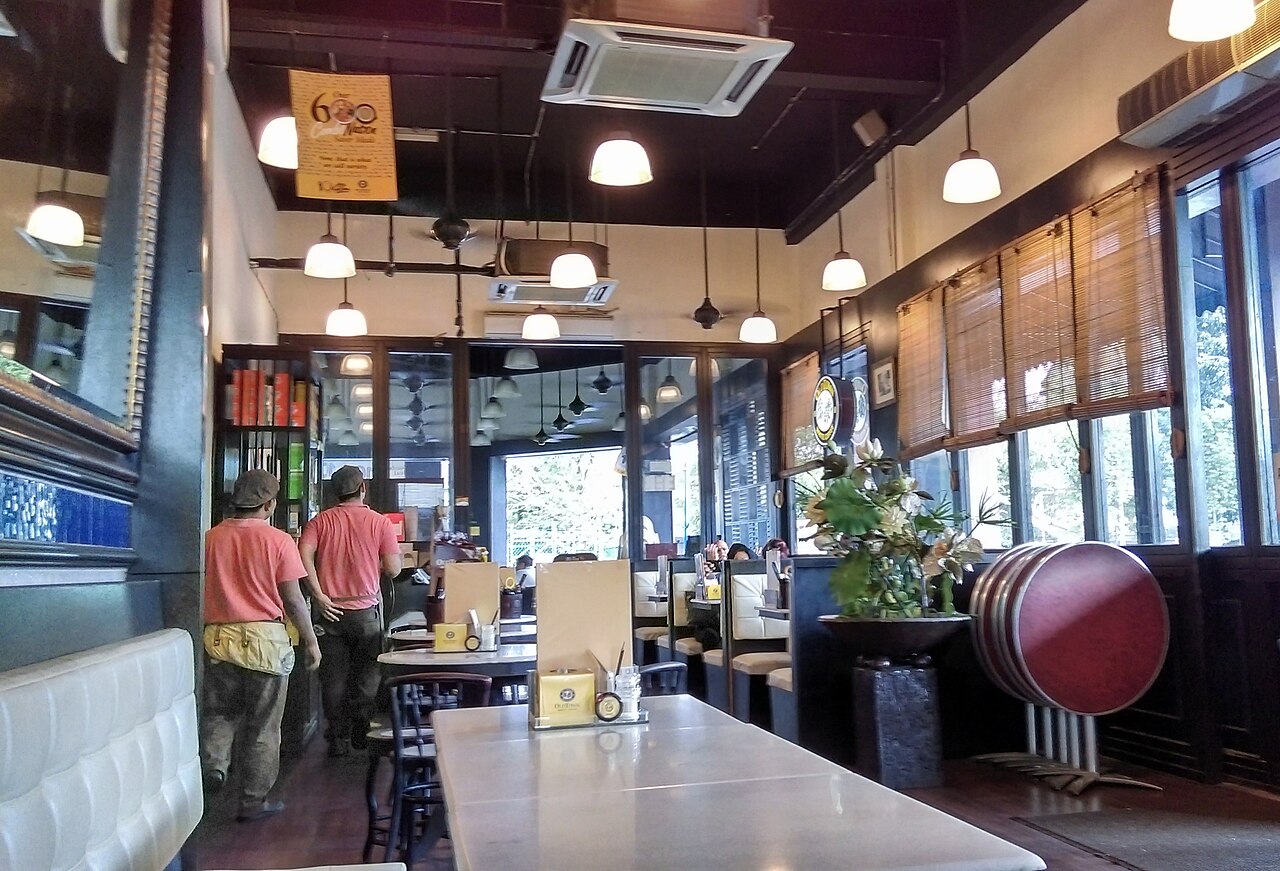
It worked so well that, in 2017, Jacobs Douwe Egberts took over the company in a deal valued at RM1.47 billion.
The kopitiam is one of the hardest atmospheres to fake, and OldTown’s value lay precisely in having recreated it convincingly. The lesson for any heritage-styled brand: heritage can be designed, but it has to be designed with care, or customers smell it.
From the farm gate
8. Farm Fresh
Loi Tuan Ee left a senior job at a packaging company in 2005 to farm dairy cattle, starting with 60 Holstein cows imported from Australia. By 2021 the herd had grown to around 6,000, and in March 2022 Farm Fresh listed on Bursa Malaysia with a market value of about RM2.5 billion.
Farm Fresh’s own channel marks the launch of its Grow range, another careful extension of a brand built on fresh milk from Malaysian farms.
In a dairy aisle dominated by long-life milk from multinationals, Farm Fresh sold a simple story: fresh milk from Malaysian farms. Kantar Worldpanel’s 2025 study of Malaysia’s most-chosen brands singled it out for exactly that, along with a home-delivery model that brought customers closer. A dairy farm in Selangor that families can visit makes the story literal.
The brand has stretched carefully from there: flavoured milks, plant-based milks made from soy, oat and almond, a restaurant called The Acre on the Selangor farm and a soft-serve counter, Cream Hauz, made with its own milk. Each extension stays within sight of the cow. That restraint is why the name still means fresh.
Can a brand survive losing its name?
Two young chains answer from opposite directions: one was forced to rebrand overnight, the other designed its brand around an app.
9. Tealive
Tealive was born from a divorce. When the Malaysian franchise holder of the Taiwanese bubble tea chain Chatime fell out with its brand owner, the franchisee, Loob Holding, launched its own brand in February 2017. Its first branch opened at Pavilion Kuala Lumpur on 26 February.
Tealive’s own channel promotes its Smoothie Series, part of the menu behind the brand Loob Holding built after splitting from Chatime in 2017.
The disputes behind the split were reportedly over royalties and the supply chain, the dull plumbing of franchising. The brand that emerged had to be anything but dull.
Few brands have had to persuade existing customers so quickly that a new name was the same good drink. Under Bryan Loo, Tealive did it at speed, opening its 800th branch in Penang in September 2022, and has since spread to Brunei, the Philippines, Cambodia, Myanmar and Vietnam.
For any franchisee who has ever wondered what happens if the licence goes, Tealive is the case study.
10. ZUS Coffee
ZUS Coffee opened its first store in November 2019, a tiny kiosk of about 200 square feet at Binjai 8 in central Kuala Lumpur. Unusually, its founders built the ordering app before the shop.
ZUS Coffee’s ‘Made In Malaysia, Dicintai Dunia’ film leans into local pride as the chain grows from a 200-square-foot kiosk.
That order of operations is the brand: fast pickup, delivery and a grab-and-go format built for convenience rather than lingering, which suited the pandemic years when many customers avoided sitting in cafés.
It has grown at extraordinary pace. By September 2024 it had 600 stores and raised RM250 million from a consortium that included the pension fund KWAP and Indonesia’s Kapal Api, and a year later it passed 900.
It entered the Philippines in 2023, opened at Singapore’s Changi Airport and in Brunei in 2024, and reached Bangkok in 2025. The expansion plan now points at Indonesia, Pakistan and Morocco.
Its co-founders, Venon Tian and Ian Chua, reportedly drew inspiration from the app of China’s Luckin Coffee. Borrowing a playbook is no sin. What counts is what you build on it, and ZUS built outward from a kiosk barely bigger than a hawker stall.
Can a Malaysian food brand travel?
This is the second question people ask, and the ten above give a mixed but encouraging answer.
Snacks travel easily. Mamee proved it decades ago. Drinks with a clear functional idea travel too, as 100PLUS has shown across Southeast Asia and beyond. Restaurant and café brands are harder, because they export an experience, and experiences depend on staff, rent and local taste.
Marrybrown managed it by leaning on halal credentials and local menus; ZUS by keeping the format small and app-led.
Picture a Kuala Lumpur nasi kandar chain eyeing Jakarta. The food may be excellent. The question is whether the name, the look and the service can carry the same promise without the founder in the kitchen. The brands on this list that travelled well answered it before they left.
What the menu teaches
Start with what customers already do. Mamee’s snack and Marrybrown’s rice both came from watching how people actually ate.
Own one idea. 100PLUS has never tried to be anything but an isotonic drink.
Treat trust as an ingredient. For Ramly, halal was not a label added later; it was the founding reason to exist.
And be ready for the day your name is not yours. Tealive built a brand in weeks because it had to. ZUS built an app before a shop because it chose to. Both show that the strongest food brands are designed as deliberately as a recipe.
Last orders
What is the most famous food brand from Malaysia?
There is no official ranking. Mamee, founded in 1971, is one of the best-travelled, exporting to around a hundred countries. Among beverages, 100PLUS was named Malaysia’s fastest-growing brand in Brand Finance’s 2026 report.
Is OldTown White Coffee still Malaysian-owned?
No. OldTown was founded in Ipoh in 1999, but Jacobs Douwe Egberts took over the company in 2017 in a deal valued at RM1.47 billion.
How did Tealive start?
Tealive was launched in February 2017 by Loob Holding, the former Malaysian franchisee of Chatime, after the two companies parted ways over their franchise arrangement.
Building a food brand that people will one day name their order after? It starts with brand strategy.






