For many Indonesians, the day starts with the sound of a tearing sachet. In kitchens, guard posts and roadside stalls, someone rips open a packet of coffee, tips it into a glass and adds hot water. It is sweet, it is strong, and few of its drinkers would swap it for a flat white.
By the time the day ends, that same person will have met half the brands on this list, most of them without thinking about it for a second. That is the highest compliment a food brand can earn.
An F&B brand is the name, identity and promise attached to a food or drink, the thing a hungry customer asks for at the counter, which turns a commodity such as noodles, tea or water into a choice people make again and again.
How we chose the ten
This is not a valuation league table. Most of Indonesia’s food and drink brands sit inside larger groups that do not report brand values separately, so a ranking by dollars would leave half the story out.
Instead, the ten were selected on market presence, recognition and growth, using published measures where they exist: Kantar’s Brand Footprint studies of how often households choose a brand, and Brand Finance’s Indonesia 100 2026 valuations. All ten are brands built in, and for, the Indonesian market. They are arranged through the course of a single day, from first coffee to last drink, rather than ranked against each other. Comparing a beer with bottled water would be a little like judging breakfast against dinner.
Morning: coffee and water
1. Kapal Api
The story starts in Surabaya in 1927, when Go Soe Loet began selling coffee he carried on his shoulder. His son, Soedomo Mergonoto, turned the family trade into PT Santos Jaya Abadi, incorporated in 1979. Kapal Api advertised on national television from 1980 and began exporting in 1985, first to Saudi Arabia, then Taiwan and Malaysia.
Kapal Api’s Secangkir Semangat (a cup of spirit) film, from the Surabaya coffee brand that has advertised on national television since 1980.
The brand name means “steamship”, and the sense of dependable motion suits a morning coffee. Kapal Api’s cleverness is portfolio, not poetry. The same company also owns Good Day, Kopi ABC and the Excelso café chain, so it can meet a drinker at a kiosk, a supermarket shelf or a mall table. In Kantar’s 2019 ranking of Indonesia’s most chosen urban brands, Kapal Api came third, reaching more than 83% of households.
2. Aqua
Tirto Utomo was a lawyer at the state oil firm when a 1971 negotiation with a US delegation went sideways: a delegate’s wife fell ill from tap water. Two years later he set up a company to sell clean bottled water, first under the name Puritas. A Singapore-based consultant, Eulindra Lim, suggested something simpler. Aqua.
The first bottles came from a plant at Pondok Ungu in Bekasi, in 950ml glass, at Rp75, and a second plant at Pandaan in East Java followed about a decade later. A 1998 alliance with Danone brought the brand into a global group.
Aqua’s real triumph, though, is linguistic. Indonesians routinely ask for “Aqua” when they mean any bottled water. For a brand, that is both the summit and the cliff edge: total recognition, with the constant risk of becoming a generic word.
Aqua’s ‘100% Murni, 100% Indonesia’ film leans on the purity and local roots behind a name that now means bottled water.
Is Indomie really Indonesia’s favourite food brand?
Yes, by the most direct measure there is. It is also the question that comes up again and again among instant-noodle enthusiasts online, who argue over Mi Goreng versus Beef Rendang flavour and swap tips for dressing a packet up with cabbage, peppers and an egg.
3. Indomie
Indomie was first made in June 1972, with a chicken broth flavour, and later became the flagship of Indofood. Mi Goreng, the dry fried version eaten without broth, arrived in the early 1980s. Today Indomie produces more than 19 billion packs a year, and Kantar named it the most chosen consumer goods brand in Indonesia and the most chosen instant noodle brand in the world in 2024. In 2019, it reached 97.5% of urban households.
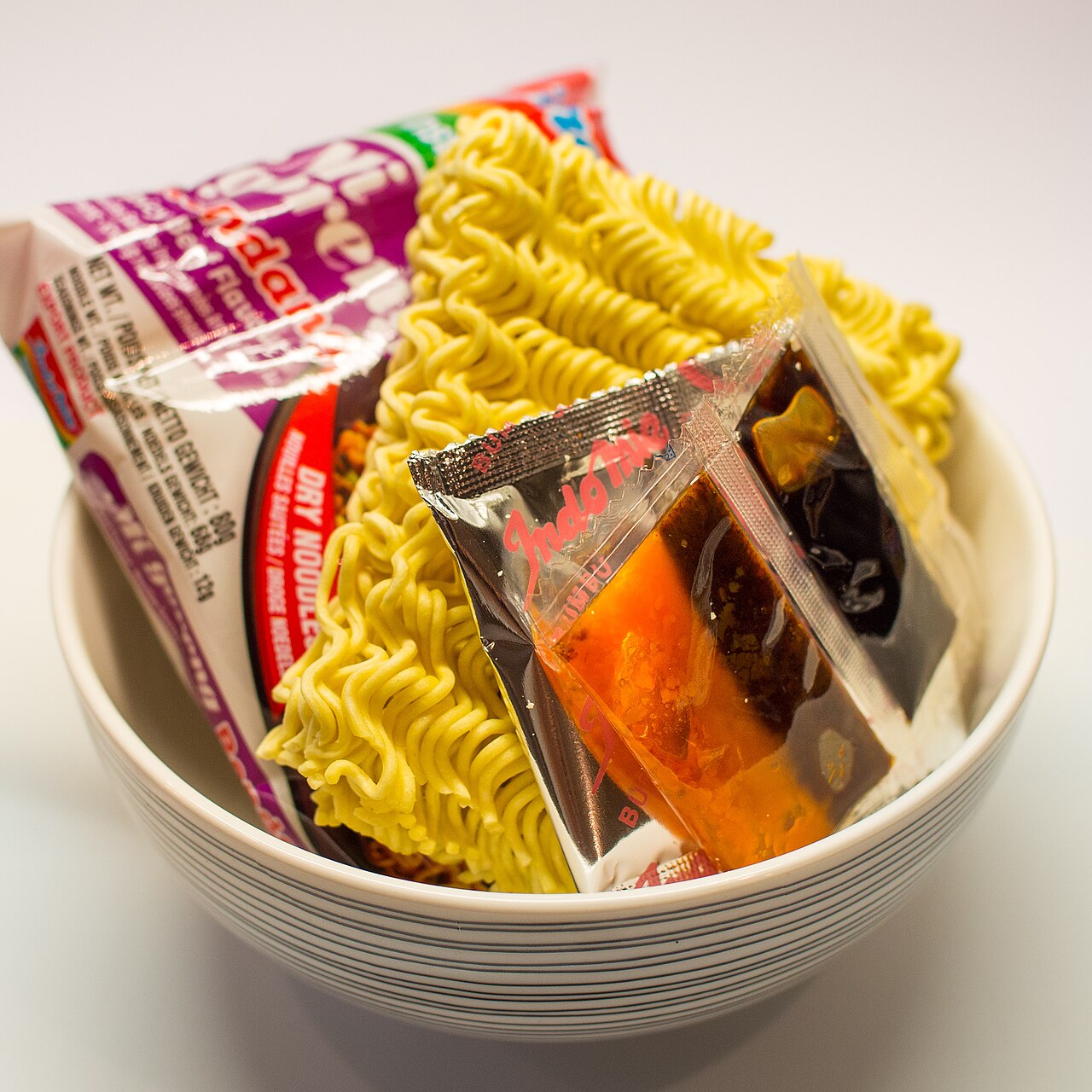
Brand Finance values Indomie at US$1.3 billion in its 2026 Indonesia ranking and rates it the sixth strongest brand in the country. The tagline “Indomie, Seleraku” (“my taste”) captures why. Indomie is not marketed as convenience; it is marketed as personal preference, which is a far stickier idea.
4. Mie Sedaap
In April 2003, WingsFood, a company better known for household products, launched Mie Sedaap. It resembled Indomie in flavour and in the colours of its packaging, and was priced slightly below it. The leader was already less secure than it looked: Indomie’s share of the instant noodle market, around 90% in 1999, had slipped to about 70% by 2003, the year the challenger arrived.
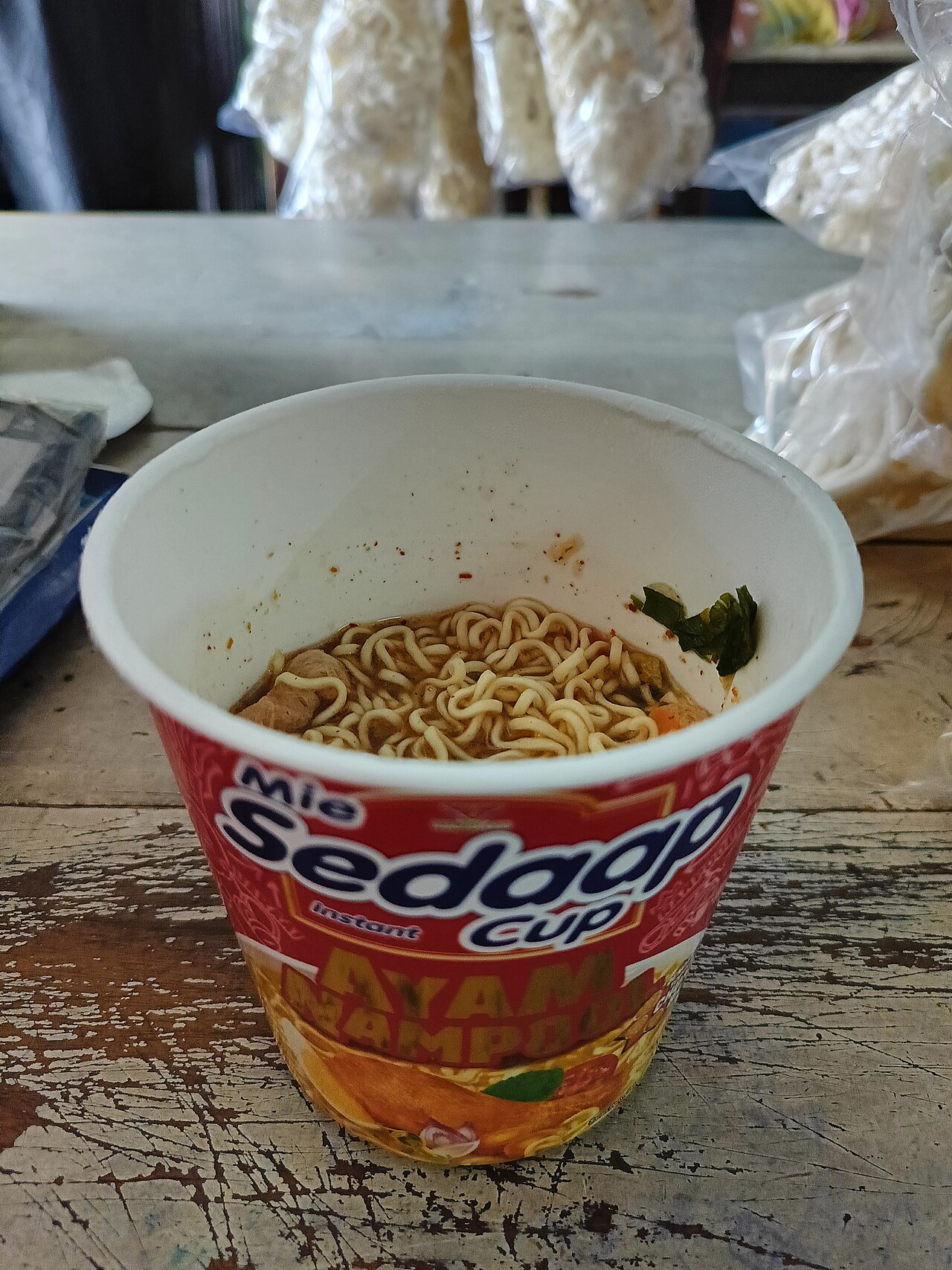
In the “noodle war” that followed, shoppers split three ways: some stayed loyal to Indomie, some bought both, and some switched. Mie Sedaap is proof that even the most dominant food brand can be challenged by a rival with distribution muscle and a sharper price, and that the challenger itself can become a fixture. In Kantar’s 2019 urban ranking it sat fifth, in nearly nine of ten city households.
Afternoon: tea, sweets and a coffee break
5. Teh Botol Sosro
The Sosrodjojo family began selling jasmine tea in the Central Java town of Slawi in 1940. When they moved to Jakarta to grow, their first promotions failed: brewing tea for shoppers in markets drew little interest, and carting it in big pots on open trucks mostly ended in spillage. Then someone poured tea into cleaned-out soy sauce and soft-drink bottles. Teh Botol Sosro, “bottled tea”, was born as a brand name in 1969, and the first bottles appeared in 1970.
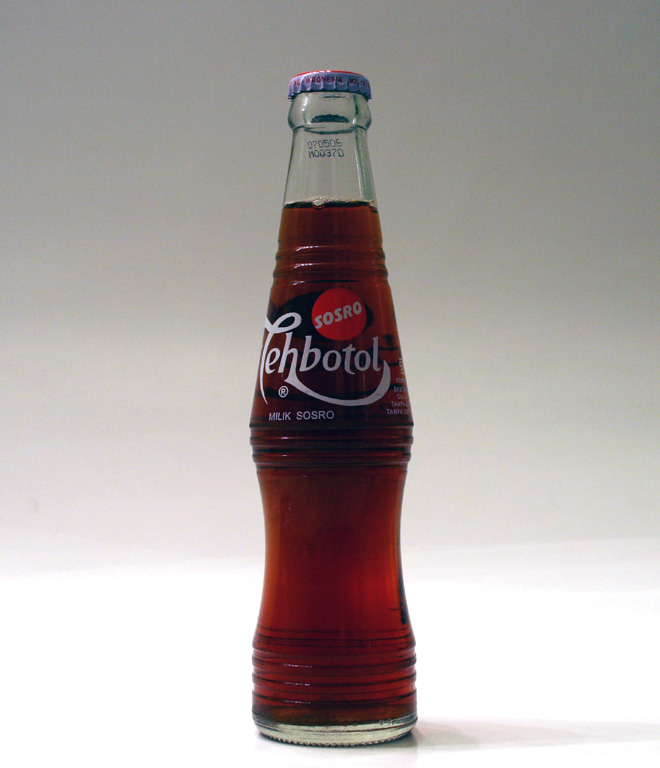
Its slogan, “Apapun makanannya, minumnya Teh Botol Sosro” (“whatever the food, the drink is Teh Botol Sosro”), is one of the smartest positioning lines in Asian food. It does not fight other drinks. It attaches itself to every meal in the country.
The company behind it, PT Sinar Sosro, was set up in 1974 and has sat within the family’s Rekso Group holding since 2004. The tea now comes in cartons and plastic bottles as well as glass, yet the brand is still named after the container that saved it, a rare case of packaging becoming identity.
6. Kopiko
Mayora’s coffee candy launched in the late 1980s and is now sold in more than 80 countries. In 2019 it was among the five most chosen brands in the Philippines, an unusual feat for an Indonesian sweet.
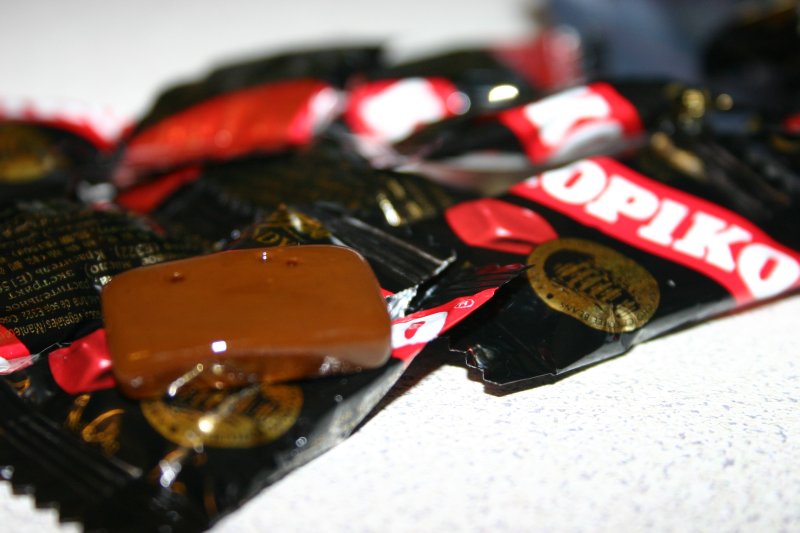
Kopiko’s best-known recent move was product placement in Korean dramas, including Vincenzo and Hometown Cha-Cha-Cha in 2021. For a small sweet, a few seconds on screen in a hit K-drama put the brand in front of drama fans across Asia and turned a pocket snack into a talking point.
Why are Indonesian coffee chains going abroad?
Because the format travels. Sweet, iced milk coffee with palm sugar is a drink with a clear identity, cheap to make and easy to love, and the strongest Indonesian chain has shown that a brand built on it can work well beyond Jakarta.
7. Kopi Kenangan
Edward Tirtanata, James Prananto and Cynthia Chaerunnisa opened the first Kopi Kenangan in Kuningan, Jakarta, in 2017, with Rp150 million in capital. It sold 700 cups on its first day. The signature drink, Kopi Kenangan Mantan, is a palm sugar milk coffee whose name means roughly “memories of an ex”. Heartbreak as a menu item: memorable, shareable and slightly cheeky.
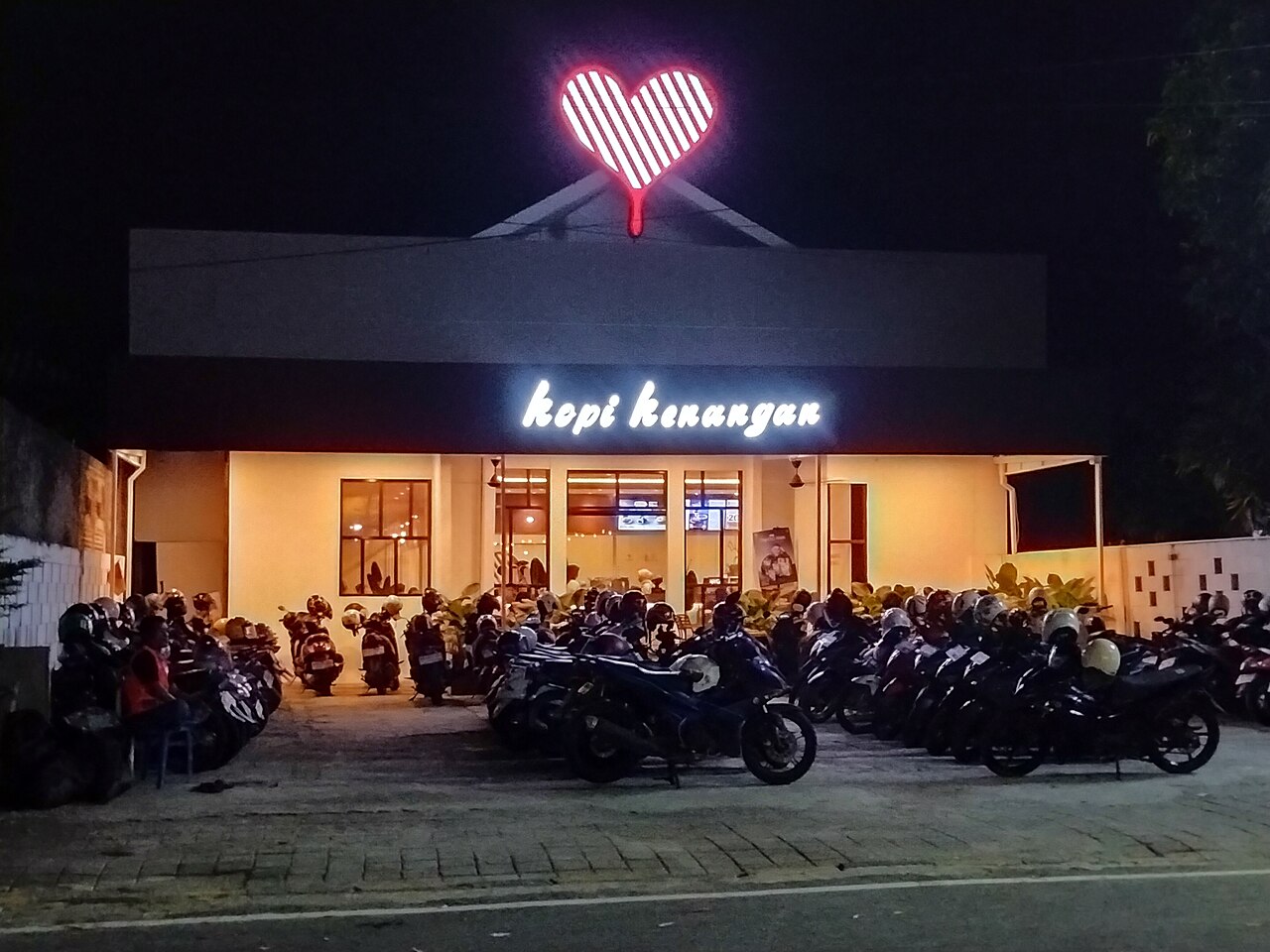
Investors noticed quickly. Sequoia’s Indian arm invested in 2019, a Sequoia-led US$109 million round followed in 2020, and the chain now runs more than a thousand outlets. Abroad it trades as Kenangan Coffee, with openings in Kuala Lumpur in 2022, Singapore in 2023, the Philippines in 2024, Sydney in 2025 and Taipei in 2026. The rename for overseas markets is a quiet lesson: keep the soul, make the name easier to say.
Evening: something sweet, something fried, something cold
8. J.CO Donuts & Coffee
J.CO opened its first outlet in June 2005 and is run by the group of Johnny Andrean, the entrepreneur from Singkawang who built the concept after a trip to the United States. It had 236 stores in 2025 across Indonesia, Malaysia, Singapore, the Philippines and Hong Kong.
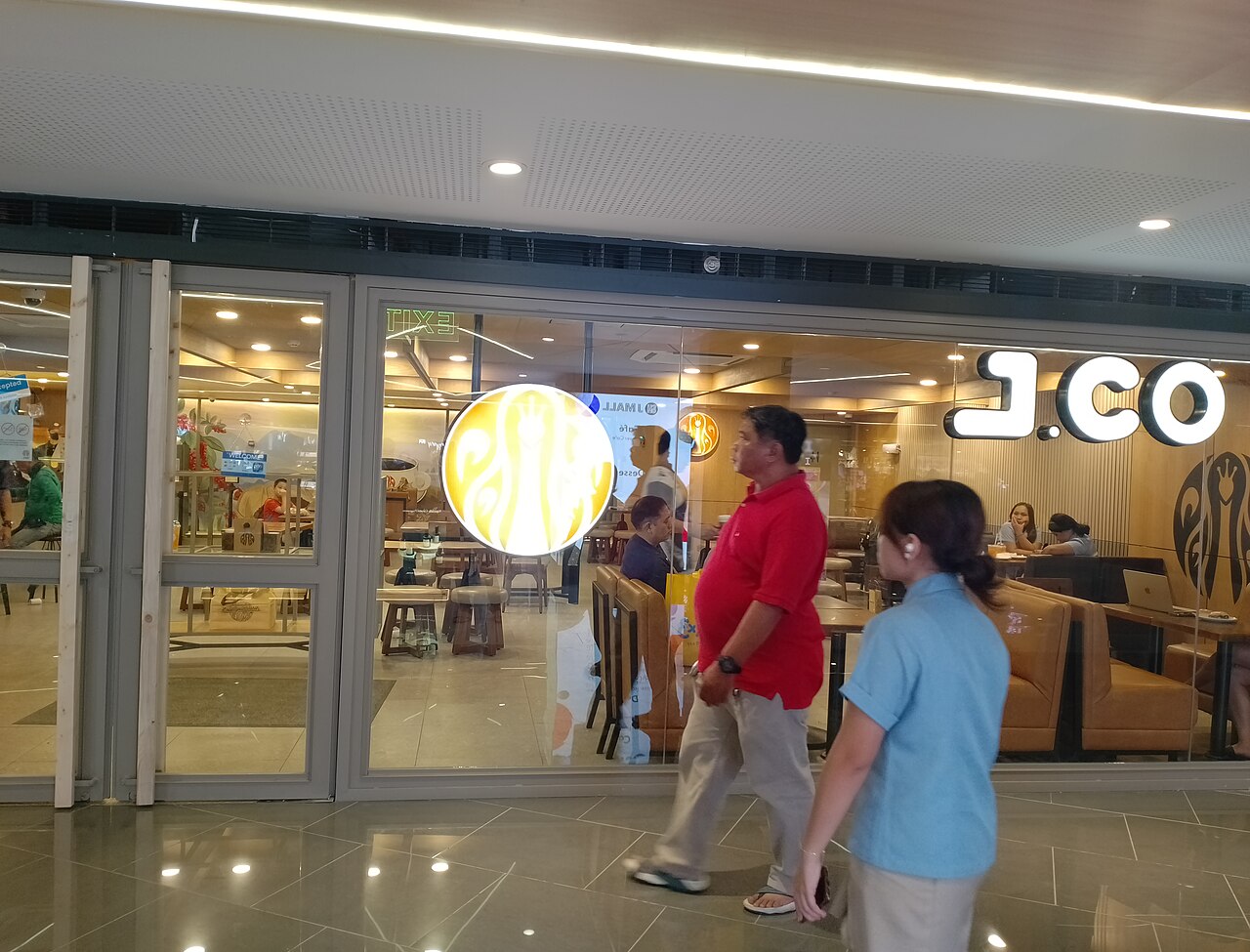
J.CO’s branding borrows the look and language of an American donut-and-coffee bar, then makes it feel local, which is harder than it sounds. That balance of international polish and home-grown ownership is a useful model for any Indonesian food brand with regional ambitions: borrow a global format, then own it with local know-how.
9. Segitiga Biru
If you have eaten fried snacks, martabak or noodles in Indonesia, there is a good chance the flour came from Bogasari. Founded in 1969 and now the milling arm of Indofood, it supplied roughly 85% of the market by 1987. Segitiga Biru, “blue triangle”, is one of its flour brands, alongside Kunci Biru (“blue key”) and Cakra Kembar.
A 15-second Segitiga Biru cake advertisement from Bogasari, showing the blue-triangle flour brand that bakers rely on even if diners never see the bag.
Bogasari, the corporate brand behind the bag, saw its value jump 43.6% to US$837 million in 2026, placing it in Indonesia’s overall top ten. Few diners ever see the bag. Bakers and stall-holders do, and for them the triangle is a promise that the batter will behave. This is ingredient branding at its most useful: invisible to the eater, indispensable to the cook.
Can a beer belong to a place?
Some brands are defined less by what is in the glass than by where you drink it. The last brand of the day is the clearest example in Indonesia.
10. Bintang
The day ends with a cold glass in Bali, at a beach bar in Seminyak or a warung in Ubud. Bintang, whose name means “star”, is a beer brand closely tied to that scene. Brand Finance, which files it under hospitality and nightlife, named it a brand to watch in 2026, with value up 46% to US$109 million on the recovery of tourism, hospitality and nightlife.
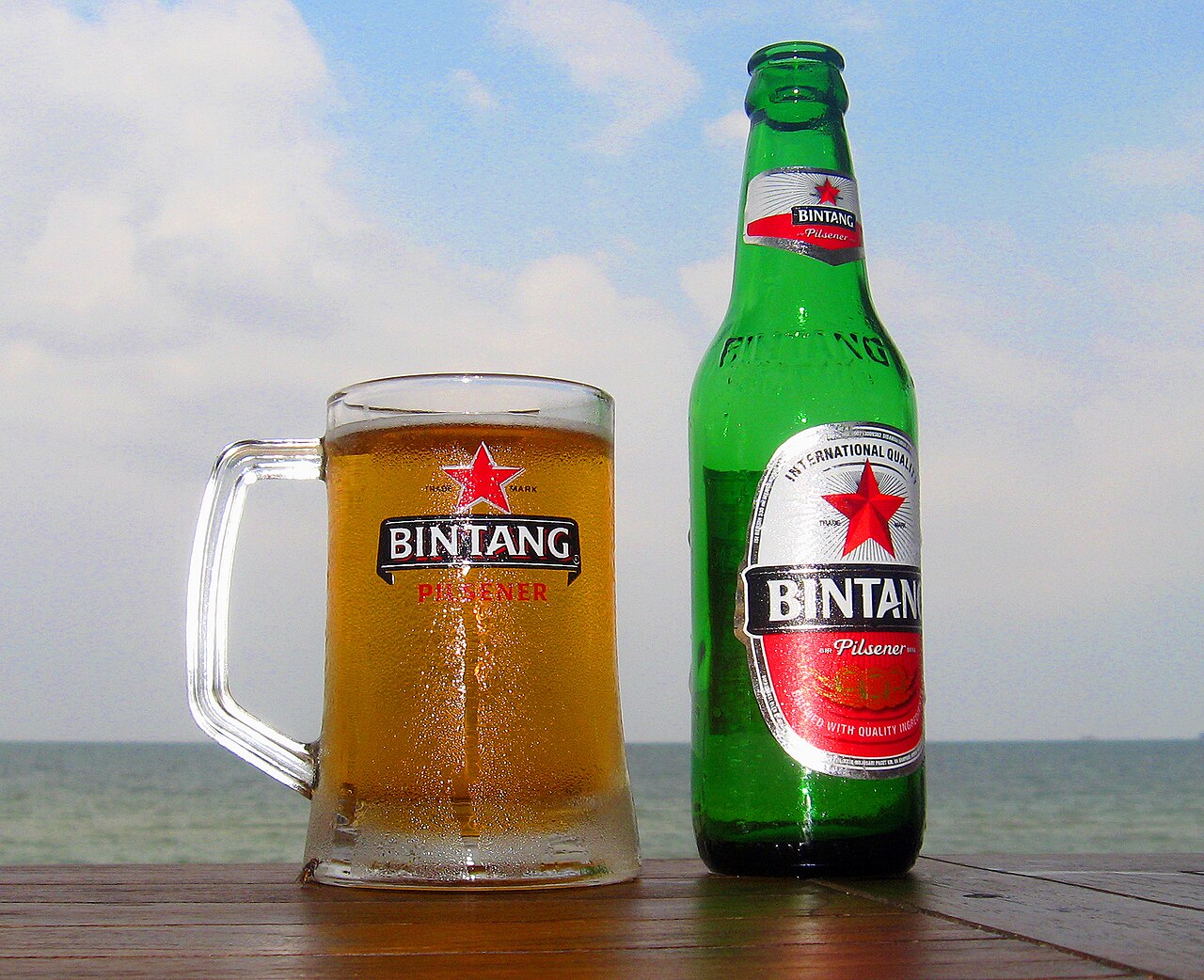
Bintang’s lesson is about place. Its brand is bound to a destination, and when visitors return, the brand recovers with them. That is a strength when travel booms and a risk when it falls, which is exactly why place-based brands need a story that works at home too.
What the ten have in common
They attach themselves to a moment. Teh Botol to every meal, Kapal Api to the morning, Bintang to the holiday. A brand linked to a daily occasion is chosen without deliberation.
They speak the local language, literally. Kenangan means “memory”. Seleraku means “my taste”. Kapal Api is a steamship. Names and lines rooted in Indonesian give these brands warmth that imported rivals struggle to copy.
They know when to change the name. Puritas became Aqua. Kopi Kenangan became Kenangan Coffee abroad. A name is a tool, and good brand owners are not sentimental about it.
Dominance is never permanent. Indomie once held nine-tenths of its market and still faced a serious challenger. Every category leader on this list is one well-funded rival away from a fight.
Picture a small sambal maker in Surabaya with a recipe her customers adore. She does not need a bigger factory first. She needs a name customers can ask for, a moment the product belongs to and a promise she can keep on every jar.
Before the bill arrives
What is the most popular food brand in Indonesia?
Indomie. Kantar named it Indonesia’s most chosen consumer goods brand in 2024, it reached 97.5% of urban households in 2019, and Brand Finance values it at US$1.3 billion in its Indonesia 100 2026.
Which Indonesian coffee brands have expanded overseas?
Kopi Kenangan trades abroad as Kenangan Coffee in Malaysia, Singapore, the Philippines, Australia and Taiwan, and Kapal Api has exported since 1985, starting with Saudi Arabia.
Is this list ranked by sales?
No. The ten Indonesian brands were selected on market presence, recognition and growth, informed by Kantar and Brand Finance data, and arranged by time of day rather than ranked.
If your food or drink brand deserves to be asked for by name, let’s work out the strategy that gets it there.






