Each year, around June, a London consultancy publishes a number that Malaysian boardrooms quietly wait for. Not a share price. Not a profit figure. An estimate of what a company’s name alone is worth.
In 2026 the total for Malaysia’s hundred most valuable brands came to USD62.2 billion, up 5% on the year.
Treat it with the scepticism any model deserves. It is still the most consistent public yardstick there is, and the names at the top tell a sharp story about how Malaysia’s economy sees itself.
The top corporate brands in Malaysia are the Malaysian company names that carry the most financial value, measured here by Brand Finance’s estimate of what each company would pay to license its own name if it did not own it.
Here are the ten, and what each one is really selling.
How this list was built
The basis is simple. This list follows Brand Finance’s Malaysia 100 report, which values Malaysian brands each year using a royalty-relief method: it scores each brand’s strength, turns that score into a royalty rate for its sector, applies the rate to forecast revenue and discounts the result to today’s money.
One complication, stated honestly. The 2026 edition, published on 10 June 2026, named its top three in order but did not publish the full top ten in its public release. The 2025 edition did.
So positions one to three below follow 2026, and positions four to ten follow the 2025 order, using 2026 figures wherever Brand Finance has published them. Read positions four to ten as close neighbours, not a precise finishing order.
All values are in US dollars, as Brand Finance reports them.
What actually makes a Malaysian brand valuable?
It is the question founders ask when they see this list, usually followed by a complaint that it is just a ranking of big companies. Partly true. Size helps, because brand value is calculated on revenue. But it is not the whole picture.
Look at what a Malaysian bank customer actually buys. The meaning a brand carries, what people believe it stands for, builds its equity, and that equity is what turns into satisfaction and loyalty. A bank’s image is shaped by what it says about itself and, just as much, by what others say about it.
Investors feel it too. When customers start to rate a brand’s quality more highly, the share price tends to follow, because those perceptions carry information that the accounts do not yet show.
Put plainly: scale gets a company into the conversation. Meaning, and the reputation others build for it, decides how much of that scale the name itself can claim.
Why does an oil company top the list?
Because it built far more than a fuel brand. The 2026 top three begin here.
1. PETRONAS: USD13.8 billion
Malaysia’s national oil company has been the country’s most valuable brand for sixteen consecutive years. Its value slipped 4% in 2026, which says more about the oil price cycle than the brand.
PETRONAS’s 2026 Raya film continues the festive storytelling that has long given an oil company a warm, human face.
PETRONAS was incorporated on 17 August 1974. Its logo, designed that same year by Johan Ariff, fuses an oil drop with a stylised P and is rendered in emerald green, a reference to the sea where oil and gas are found. The brand then did something few energy companies manage: it built a monument. The Petronas Twin Towers in Kuala Lumpur, designed by César Pelli with a floor plan based on an eight-pointed Islamic star, were the world’s tallest buildings from 1998 to 2004.
Then came Formula One. PETRONAS has been the title partner of the Mercedes team since 2010, through eight straight constructors’ titles from 2014, and the partnership has been extended from 2026. A national oil company became a household name in living rooms from São Paulo to Shanghai.
It also scores highest of any Malaysian brand on perceived sustainability, worth an estimated USD1.3 billion of its value. For an oil company facing a climate-conscious public, that line on the scorecard may be the most valuable of all.
The resort and the bank
2. Genting: USD6 billion
Genting jumped 23% in 2026 and, more strikingly, was named Malaysia’s strongest brand, with a Brand Strength Index score of 92.1 out of 100.

Lim Goh Tong founded the group in 1965 and built its first resort on a mountain outside Kuala Lumpur. What began as Genting Highlands Resort became Resorts World Genting, and “Resorts World” became the group’s export brand. Genting won one of Singapore’s two casino licences in December 2006, and Resorts World Sentosa opened in early 2010, with Universal Studios Singapore following that March. Resorts World New York opened in October 2011.
The branding move is a clever one. Genting is the corporate parent; Resorts World is the promise customers buy. Gaming sits inside a broader offer of theme parks, hotels and concerts, which makes the brand easier to love and easier to take abroad.
3. Maybank: USD5.4 billion
Maybank was incorporated on 31 May 1960 and opened in Kuala Lumpur that September, founded by the Singaporean tycoon Khoo Teck Puat. It now operates across all ten ASEAN countries, with Malaysia, Singapore and Indonesia as home markets.
Maybank’s Merdeka 2025 film, Pembina Impian, ties the bank’s brand to national aspiration rather than to products.
Its brand had a remarkable 2025, when its value rose 52%. Brand Finance’s latest global banking ranking places it 78th in the world. Since 2011 its stated mission has been “Humanising Financial Services”, a phrase that does real work across very different markets: it gives staff in Kuala Lumpur, Jakarta and Singapore the same test for decisions.
Maybank also shows the value of a well-built sub-brand. Etiqa, launched in 2007 for its insurance and takaful businesses, was valued at USD1.1 billion in 2025, making it Malaysia’s most valuable insurance brand.
Leadership counts too. In 2025 Brand Finance named Maybank’s group president and chief executive, Khairussaleh Ramli, Malaysia’s top “brand guardian”, a measure of how well a chief executive’s reputation supports the company’s name. In banking, where trust is the product, the face at the top is part of the brand.
Banks, a conglomerate and the national grid
4. CIMB: USD2.7 billion
CIMB’s name is an acronym few customers could expand: Commerce International Merchant Bankers, adopted in 1986. The modern group was launched on 7 September 2006 after a restructuring that created a universal bank.
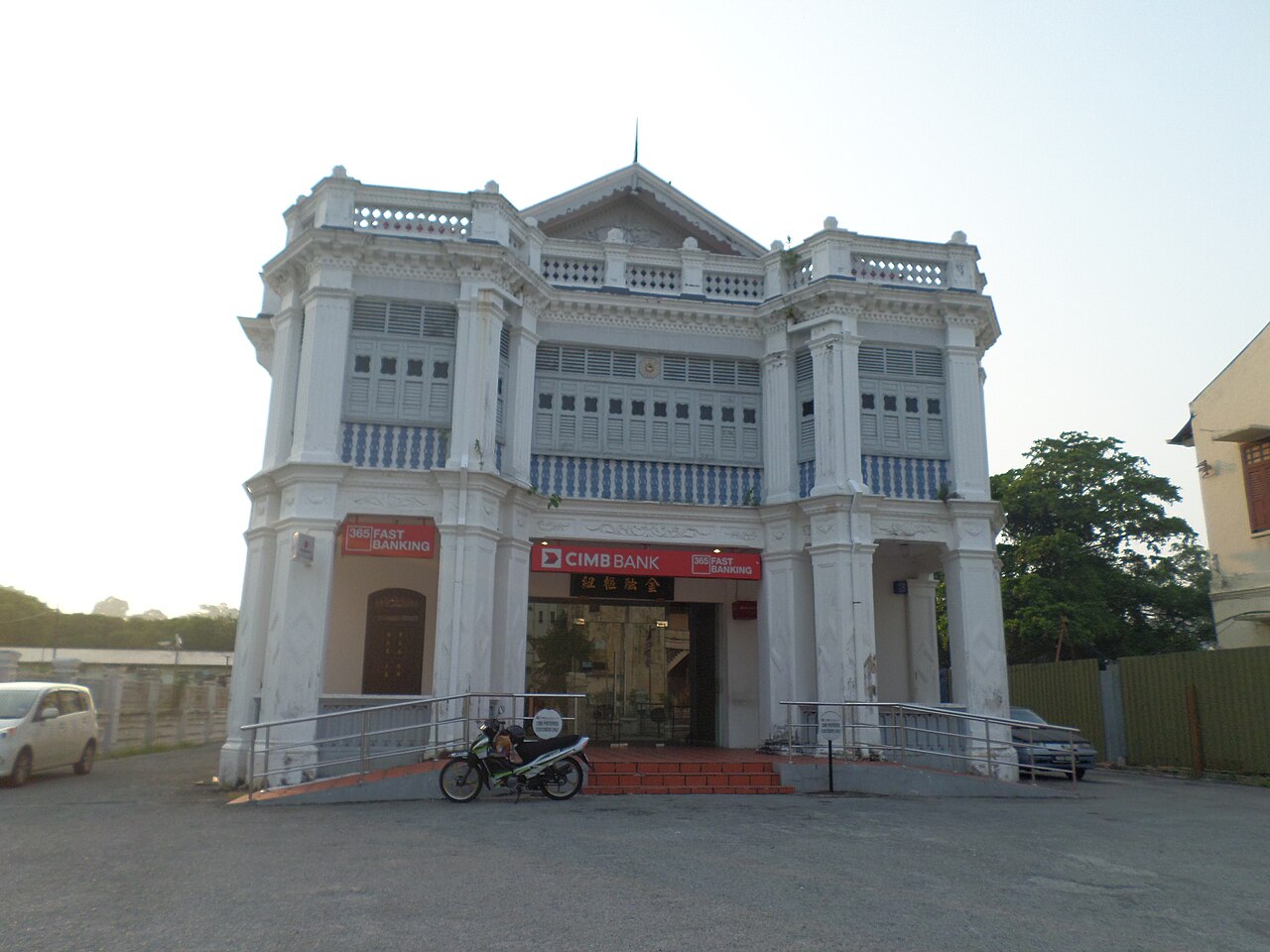
Its brand value rose 10% to USD2.7 billion in Brand Finance’s 2026 banking ranking. CIMB’s brand story is regional. It runs CIMB Niaga in Indonesia, which began in 1955 as Bank Niaga, and CIMB Thai in Thailand. A single acronym that travels across languages without translation is an underrated asset for a bank with ambitions beyond its borders.
5. Sime Darby: USD2.3 billion
Sime Darby is the oldest name on the list. William Sime and Henry Darby founded it in October 1910 as a rubber venture, and its recent history reads like a lesson in brand architecture under pressure.
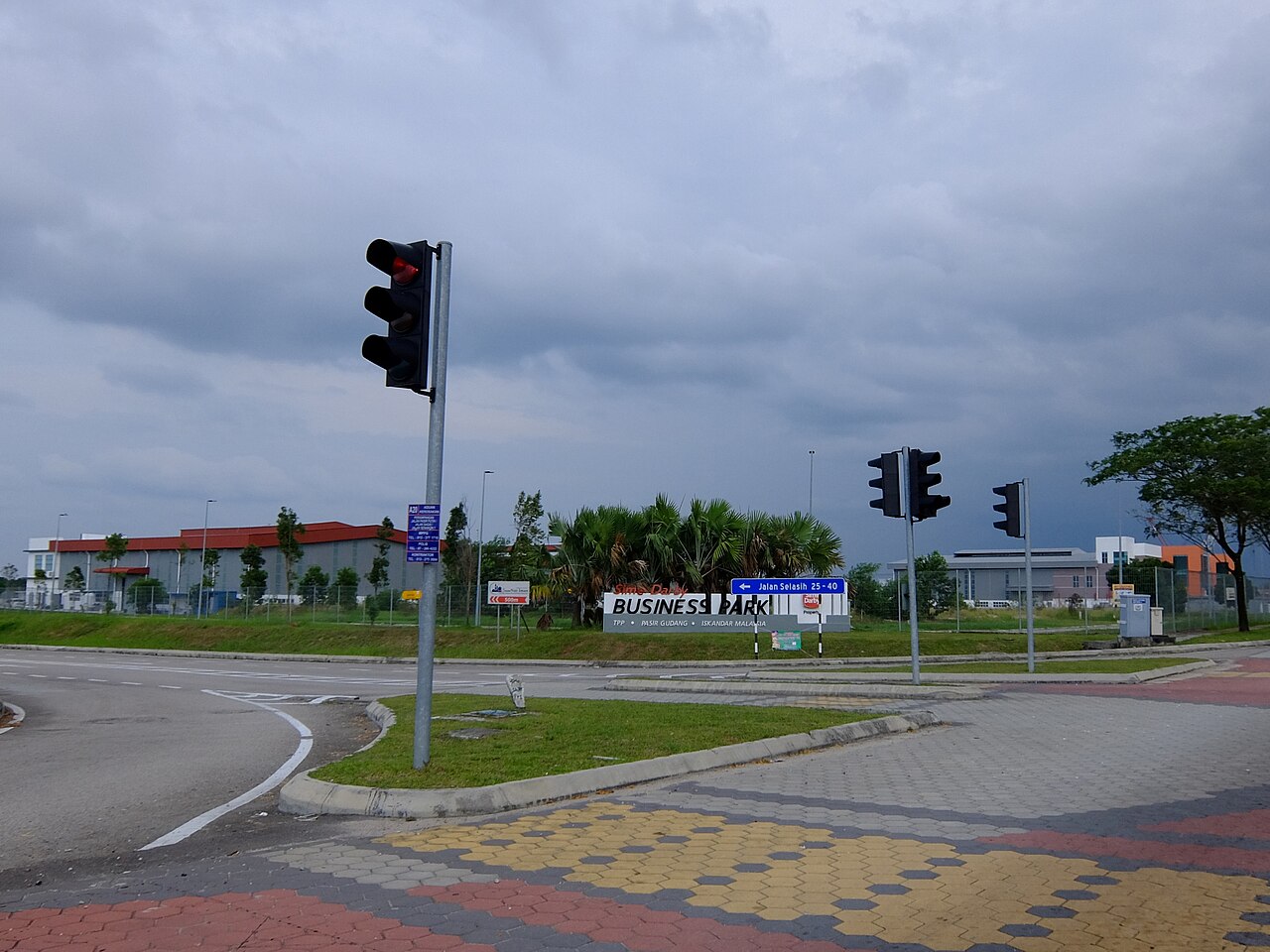
A 2007 merger with Guthrie and Golden Hope created a giant that took the Sime Darby name. In 2017 it split into three listed companies, and in May 2024 the plantation arm became SD Guthrie, ending its use of the full parent name.
What remains under Sime Darby is mainly motors and industrial equipment, strengthened by the purchase of UMW in March 2024. The name survives. What it means has narrowed.
6. Tenaga Nasional: USD2.3 billion
Tenaga Nasional is the electricity company most Malaysians on the peninsula cannot avoid: more than 10.65 million customers there. It traces its origins to the Central Electricity Board of 1949 and took its present form in 1990.
Tenaga Nasional stretches its "Better. Brighter." tagline to cover the energy transition in this film from its official channel.
Utilities rarely build strong brands; customers notice them only when the lights go out.
Yet Brand Finance ranked Tenaga the second-strongest brand in Malaysia in 2026, with a score of 91.5. Its tagline since 2013, “Better. Brighter.”, has had to stretch to cover an energy transition. A rising strength score suggests the stretch is holding.
The brands people use every day
7. AirAsia: USD1.9 billion
AirAsia’s 2025 value rose 66%, and no Malaysian brand has a better origin story. Founded in 1993 by the state-linked conglomerate DRB-HICOM, the airline was failing by 2001 when Tony Fernandes and Kamarudin Meranun bought it for one ringgit and took on its debts. It relaunched as a low-cost carrier in January 2002.
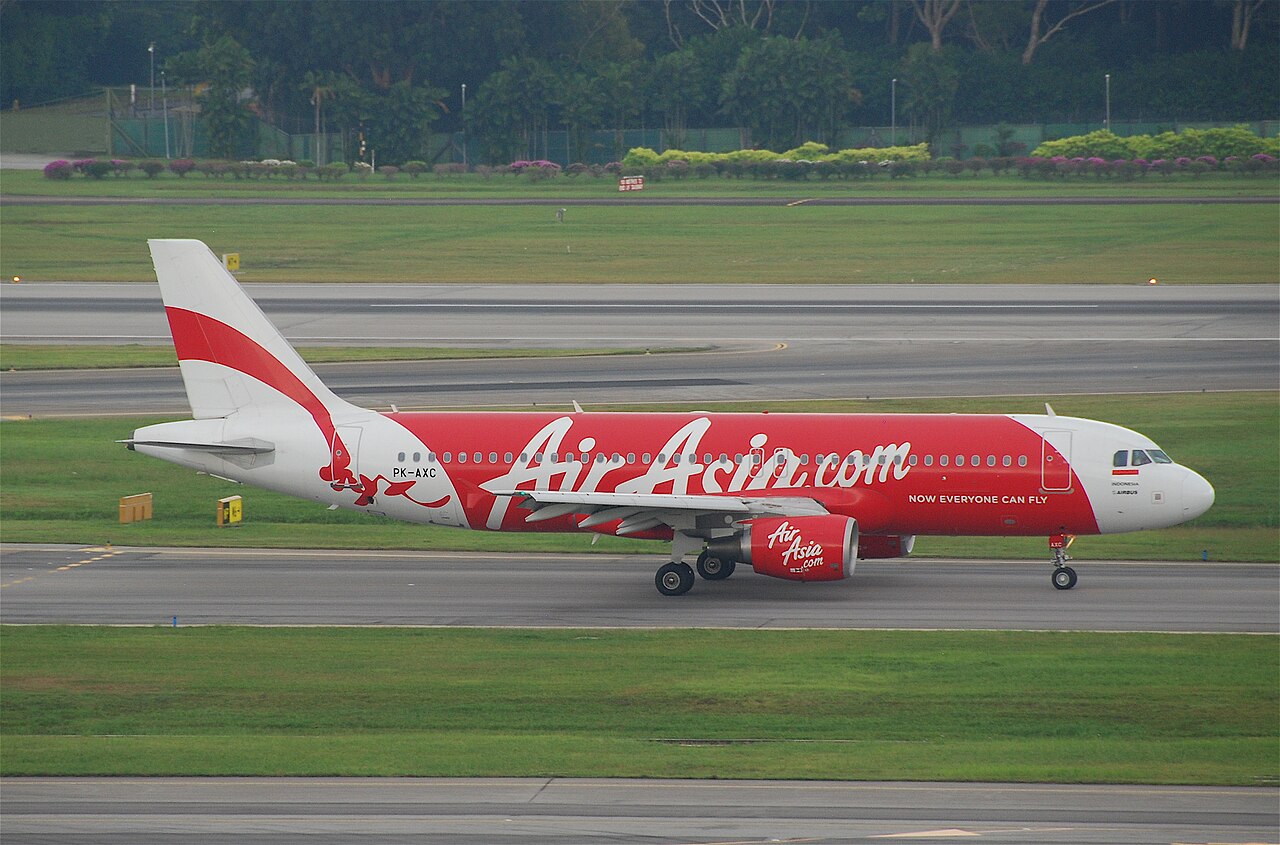
Travellers praise its fares and routes and grumble about app glitches and fees, which is roughly the bargain the brand has always offered. In January 2022 the listed parent renamed itself Capital A, keeping AirAsia for the airline: a sign that one name was carrying too many businesses.
8. CelcomDigi: USD1.7 billion
CelcomDigi is the youngest brand here, a merger of two rival mobile networks completed on 30 November 2022, with Axiata and Telenor each holding about a third. It serves about 20 million subscribers, and its value rose 22% in 2025.
"Let’s reimagine a new era for our nation": CelcomDigi’s film, posted on the Celcom channel, marks the merger of two rival networks under one name.
Mergers usually destroy brand value before they create it, because customers of both sides feel they have lost something. Keeping both old names inside the new one was a practical compromise, and the early numbers suggest it worked.
9. Public Bank: USD1.6 billion
Teh Hong Piow founded Public Bank in 1966 while still general manager at Malayan Banking, and listed it the following year. It grew 3% to USD1.6 billion in 2026.
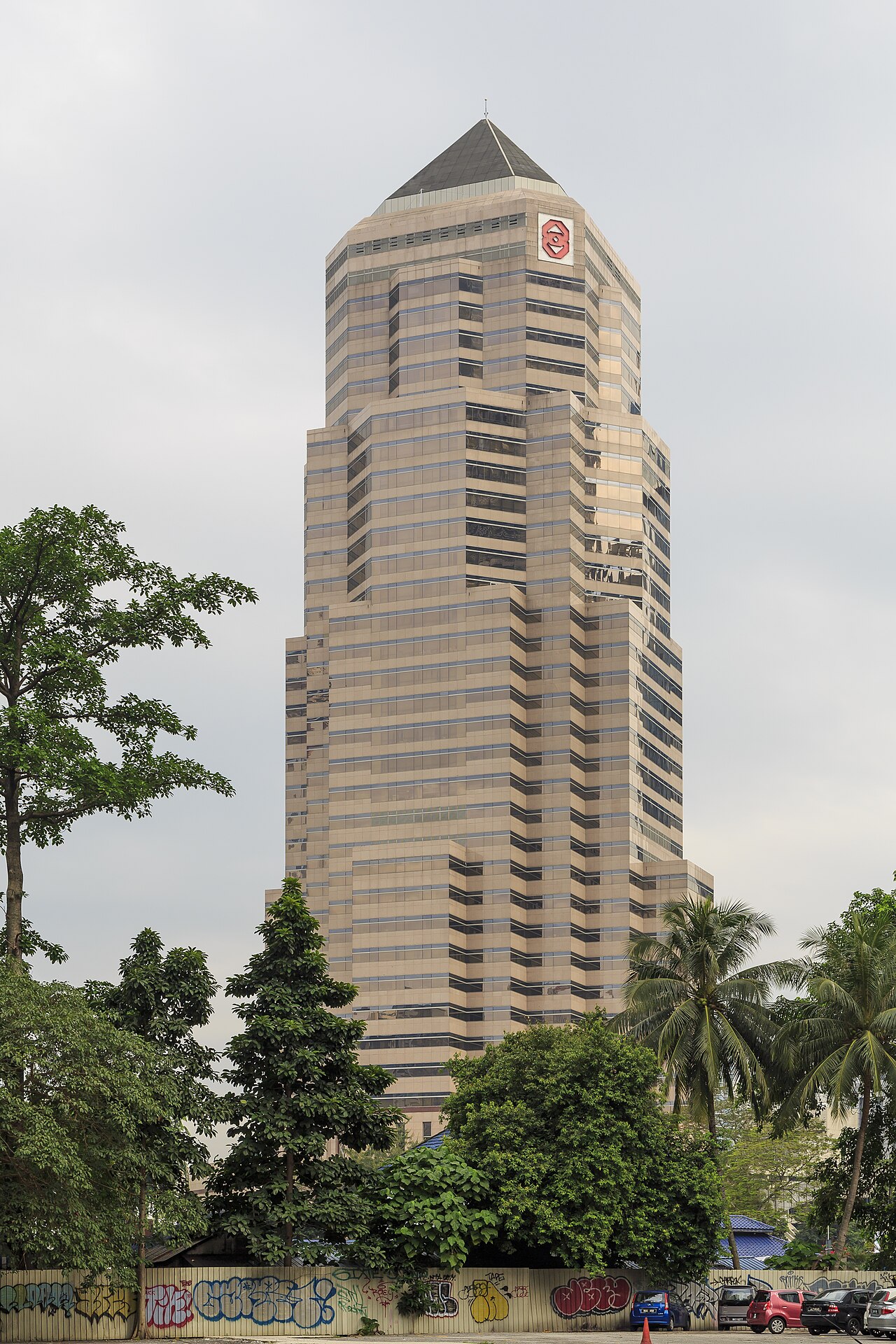
Public Bank’s brand is prudence. It has never been the loudest bank in Malaysia, and it does not need to be. Careful management and strong credit ratings are exactly what a depositor wants, and the bank has carried that promise into Hong Kong, Cambodia, Vietnam and Laos.
10. Maxis: USD1.5 billion
Maxis, founded by Ananda Krishnan, closes the list. Its prepaid brand, Hotlink, launched in October 1999 and now counts more than six million subscribers of its own.
A recruitment film from Maxis’s own careers channel invites tech talent to "get ahead" with the company.
In August 2020, marking its 25th anniversary, Maxis introduced a refreshed logo and a brand purpose, “Always Be Ahead.” For a telco competing against a newly merged rival of real scale, that line is both a promise and a pressure.
Who is missing, and why does it matter?
The interesting brands are often just outside the ten. Proton was Malaysia’s strongest brand in 2025 and the third-strongest in 2026, despite a much smaller value. Malaysia Airlines was the fastest-growing brand of 2025, up 209%. In 2026 that title went to 100PLUS, the isotonic drink, which rose 166% to USD190 million.
Then there is Mr D.I.Y., the home-improvement retailer, which ranked as Malaysia’s third-strongest brand in 2025 with a value of USD619 million. It is a brand built from the shop floor up, on everyday purchases rather than national contracts. It may be the clearest sign that the next generation of Malaysian brand champions will come from retail and consumer goods rather than infrastructure.
Strength without scale is common in Malaysia, and it is a reminder that the ranking measures financial value, not affection. A brand can be loved and still small.
What other Malaysian companies can learn
Three of the ten are banks. Eight of the ten sit in what might be called national infrastructure: energy, power, telecoms, finance and air travel. That reflects the economy, but it also hints at an opportunity. Very few consumer-facing Malaysian product brands sit near the top.
Picture a mid-sized Penang manufacturer that exports under its customers’ labels. It may be more profitable than half the names here, yet its brand is worth almost nothing on paper because nobody outside its buyers knows it. The top ten show the alternative: give the name a clear meaning, defend it consistently and let others repeat it for you.
Before you go
What is the most valuable brand in Malaysia?
PETRONAS, valued at USD13.8 billion in Brand Finance’s Malaysia 100 2026 report. It has held the top spot for sixteen consecutive years.
Which is the strongest brand in Malaysia?
Genting, with a Brand Strength Index score of 92.1 out of 100 in 2026, followed by Tenaga Nasional at 91.5 and Proton at 90.7.
How is brand value calculated in these rankings?
Brand Finance uses a royalty-relief approach, estimating the licence fee a company would pay to use its own brand, applied to forecast revenue. It is a model-based estimate, not a market price.
If you want to know what your own name is worth before someone else decides, start with a brand audit.






