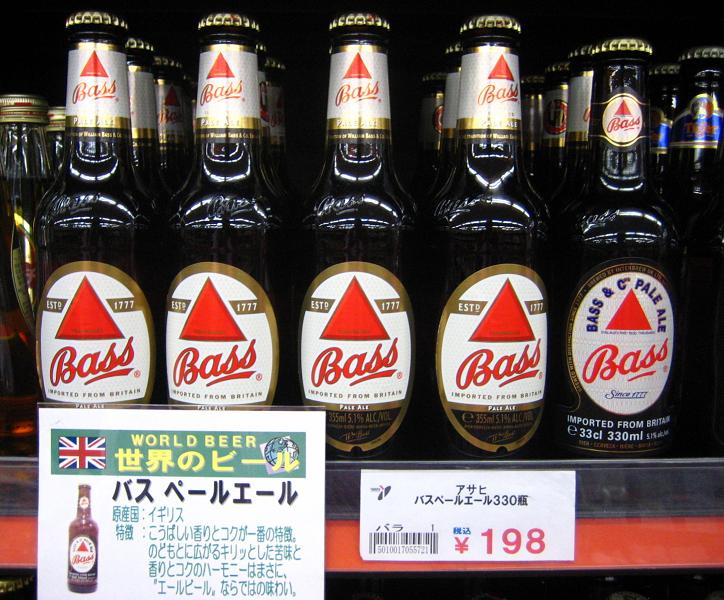
On New Year’s Eve 1875, the story goes, a clerk from Bass Brewery joined the queue outside the new trade mark registry in London and stayed there all night. When the doors opened on 1 January 1876, Bass’s red triangle became the first trademark registered under Britain’s new law.
Whether the vigil happened exactly as told hardly matters. The brewery thought a red triangle on a beer label was worth a night on the pavement. That instinct, that a simple mark can carry a reputation worth protecting, is what this story is about.
The history of branding is the story of how makers moved from marking property and proving origin, through guild stamps and registered trademarks, to packaged consumer brands, advertising-led identities and digital reputations, with each stage adding new meaning to the mark.
It begins, as the word does, with fire.
Where does the word “brand” come from?
From burning. The Old Norse brandr meant to burn, and in Old English a brand was a torch or a piece of burning wood. Over time the word moved from the flame to the mark the flame left behind, seared into hide or timber with a hot iron.
Egyptians were branding livestock around 2700 BCE, and scenes of it survive in tombs. The purpose was blunt: this animal is mine.
Ownership first, meaning later. Yet even then a brand did something subtle. A herd from a respected owner was worth more, and the mark told a buyer whose herd it was. That double function, identification and reputation, is the seed of everything that follows.
Trade made marks multiply. Around the Mediterranean, amphorae carried shapes, stamps and painted inscriptions telling buyers where goods came from, what was inside and sometimes who made them. Bakers in Herculaneum stamped their loaves.
In Pompeii, a fish-sauce producer called Aulus Umbricius Scaurus put his name on the containers that left his workshop. Surviving labels name the product and declare that it came from the workshop of Scaurus.
Garum was a premium condiment, and Scaurus wanted buyers to know whose garum they were paying for. Two thousand years later, every artisanal hot sauce on a deli shelf is playing the same game.
The rabbit at the gate
China supplies one of the most charming early examples. A Song dynasty bronze plate, made to print advertisements for the Liu family needle shop in Jinan, shows a rabbit and tells customers to look for the rabbit sign at the shop’s gate.
A symbol. A promise about the product. A call to action. Often described as the oldest known printed advertisement, it looks uncannily like a modern logo lock-up.
Medieval Europe, meanwhile, turned marks into rules. Merchant and craft guilds wanted bad goods traced to whoever made them, and the law followed. In England, makers’ marks on bread became compulsory in 1266.
In 1300 Edward I required silver to meet the sterling standard, with approved pieces stamped with a leopard’s head. Goldsmiths’ Hall in London, where the stamping was done, gave us the word “hallmark”.
The medieval mark was not marketing. It was accountability. If your loaf was short-weight or your silver impure, the mark said whose door to knock on.
That idea never went away. At its root a brand is still a name that can be held responsible. Which is why companies that hide behind their names, rather than standing behind them, lose trust so fast when things go wrong.
How did trademarks become law?
Slowly, then all at once. As the Industrial Revolution scattered goods far from the people who made them, buyers could no longer judge a maker by reputation in the village. Counterfeiting flourished. Governments responded.
Britain’s Trade Marks Registration Act of 1875 created a public register, and Bass’s red triangle took the first entry. The mark became famous enough to appear on bottles in Édouard Manet’s 1882 painting A Bar at the Folies-Bergère, a very early cameo by a brand in fine art.
Across the Atlantic, the Quaker Mill Company of Ravenna, Ohio, registered its figure of a man in Quaker dress in September 1877, the first trademark for a breakfast cereal in the United States.
The image promised honesty and purity, borrowed from a religious community’s reputation. Brands had discovered something new. They could rent meaning, not just declare origin.
Soap, cereal and the birth of the consumer brand
The late nineteenth century produced the thing we now mean by “brand”: a packaged product, sold nationally, with a name, a look and a promise that did the selling before the shopkeeper said a word.
Procter & Gamble trademarked Ivory soap in 1879; Harley Procter took the name from a line in the Psalms. By 1891 the company was telling customers “It Floats!”, and by 1895 it was claiming the soap was 99 and 44/100 per cent pure. A number that precise is not science. It is storytelling dressed as science, and it worked.
In Britain, Lever Brothers launched Sunlight soap in 1884, selling cut, wrapped, branded bars instead of slicing from long anonymous blocks. The convenience was real. So was the name on the wrapper, which turned a commodity into something a customer could ask for. The company even named its model workers’ village Port Sunlight after the soap.
Quaker Oats, meanwhile, ran what is credited as the first national magazine advertising campaign for a breakfast cereal in 1882. Packaging, naming, national advertising. The playbook was written in a single generation.
Asia’s family brands go to market
This was never only a Western story. In Rangoon in the 1870s, the herbalist Aw Chu Kin developed an ointment that his sons, Aw Boon Haw and Aw Boon Par, renamed Tiger Balm in 1918 and built into a business empire after moving to Singapore in the 1920s.
Boon Haw spent so heavily on advertising that, his daughter later recalled, he decided it would be cheaper to start his own newspapers. So he did. The family also opened Tiger Balm Gardens in Hong Kong in 1935 and in Singapore in 1937. Few brands have built theme parks in their own honour.
In Japan, soy-sauce brewing families in Noda, among them the Mogi and Takanashi clans, merged their businesses in 1917 and adopted Kikkoman as the company’s name in 1940. In 1972 the company opened its first American plant, in Walworth, Wisconsin.
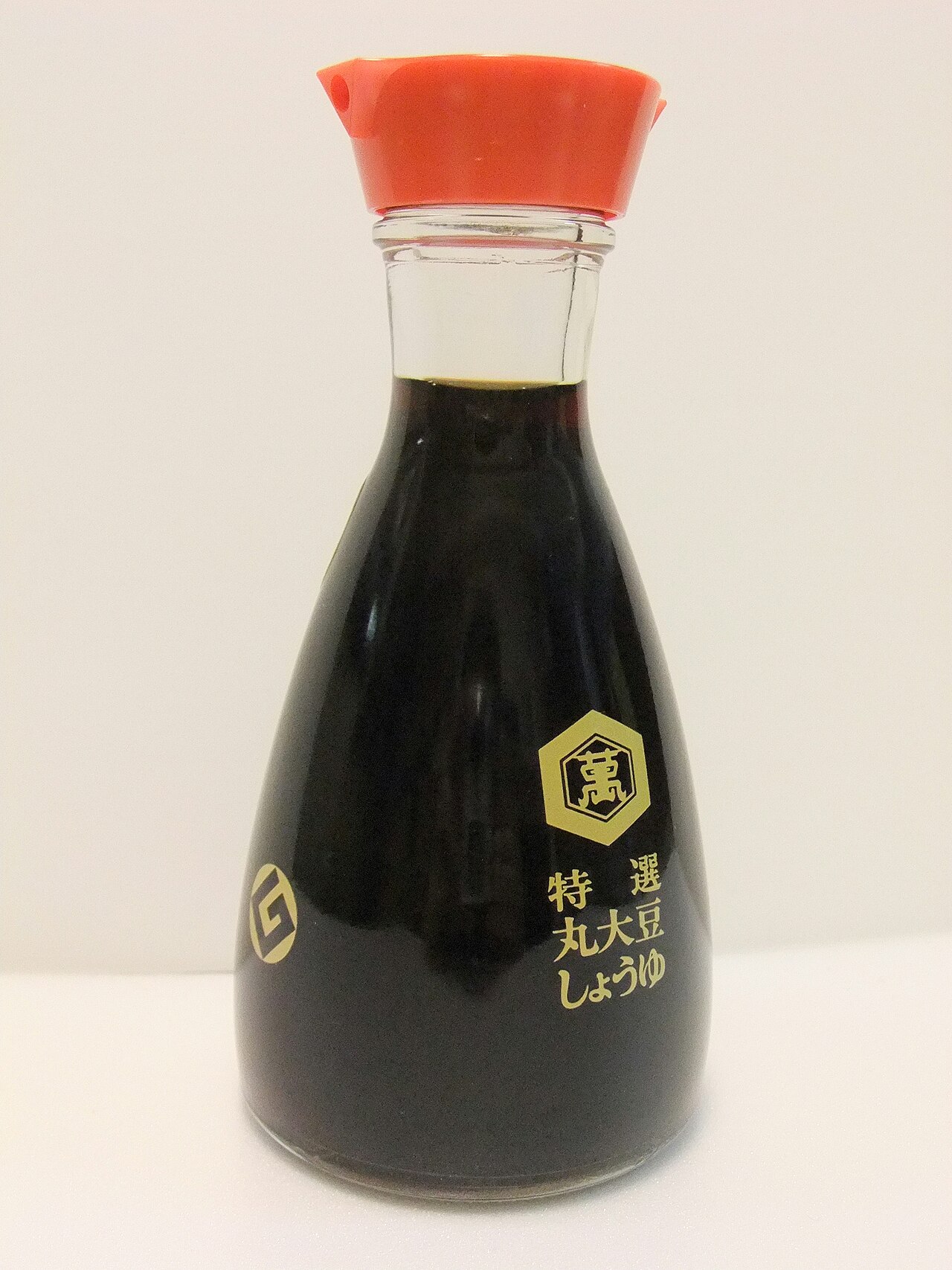
A family craft became a global brand without abandoning the product’s heritage. Many Asian heritage brands have followed that pattern since, keeping the old name and the old method while changing almost everything about how they reach the market.
Agencies, managers and the brand as a business unit
Once brands existed, someone had to build them for a living. J. Walter Thompson bought a New York advertising business in 1877 and renamed it after himself. His agency became one of the first to employ writers and artists to make clients’ ads, and to offer package design, trademark development and research.
In 1908 it hired Helen Lansdowne Resor, its first female copywriter, who pioneered celebrity testimonials. Her 1911 line for Woodbury Soap, “A skin you love to touch”, sold a feeling rather than an ingredient.
The next leap came from inside a client. In 1931 Neil McElroy, then handling advertising for P&G’s Camay soap, wrote a three-page memo proposing that each brand have its own dedicated team, run almost as a separate business.
Brand management was born. McElroy went on to run P&G and later served as US Secretary of Defense. His memo arguably shaped consumer companies more than anything he did at the Pentagon.
The image era
After the Second World War, television and prosperity changed the brief. Products were increasingly alike, so brands competed on how they made people feel.
David Ogilvy, who opened his own agency in 1952, put an eye patch on the man in the Hathaway shirt and turned a plain product into a story people wanted to finish. In 1954 Leo Burnett took Marlboro, which Philip Morris had launched in 1924 as a women’s cigarette with the line “Mild as May”, and recast it through rugged cowboys. Sales soared.
That episode is branding’s most uncomfortable chapter in one paragraph. Image could transform a product’s fortunes. It could also sell something harmful with great efficiency, and several of the men who played the Marlboro Man later died of smoking-related diseases.
Corporate identity became its own discipline in the same decades. Wally Olins co-founded Wolff Olins in 1965 and spent his career arguing that organisations, and even nations, have identities that can be shaped deliberately.
In 1974 John Murphy started a naming consultancy that became Interbrand, later known for valuing brands and publishing an annual league table of the most valuable ones. The brand had become an asset you could put a number on.
Not everyone cheered. Naomi Klein’s No Logo, published in December 1999, argued that corporations had moved from making things to selling lifestyles, outsourcing production to low-wage factories while pouring money into marketing. It became a manifesto for a generation sceptical of logos.
That suspicion survives. Ask a room of engineers whether a startup should spend money on branding and you will hear the argument in miniature: a good product is the brand, everything else is decoration. They are half right. The most annoying way to be right.
What changed when customers could answer back?
Everything. The internet broke the old one-way model. Facebook launched Pages for brands in 2007 and its Like button in 2009, and suddenly customers could reply in public, at scale. A reputation built over decades could be dented in an afternoon by a viral post.
Some of the defining brands of the digital era were born in places marketing textbooks ignored. In 2007 Safaricom and Vodafone launched M-Pesa in Kenya, joining “mobile” with pesa, the Swahili word for money.
The name was plain. The promise was enormous: money you could send from a basic phone. In Kenya the brand became shorthand for a whole financial behaviour.
Definitions shifted too. Ask practitioners online what branding is and the answers run from “the public face of a business” to “the soul of the product” to “a personality customers want to borrow”. The common thread is that a brand now lives in people’s heads, not on the label. The label is just the reminder.
The newest chapter: brands described by machines
In May 2024 Google rolled out AI Overviews in the United States, reaching more than 100 countries by October. Within days of launch it had told some users to put glue on pizza.
The episode was comic. The shift underneath it was serious. A growing share of people now meet brands through a summary written by software.
That brings the story full circle. The earliest brands answered one question for a buyer who could not see the maker: whose is this, and can I trust it?
AI answer engines now ask that question on the buyer’s behalf, reading reviews, articles and websites to decide which brands to mention. Consistency, verifiable facts and a clear reputation, the virtues of the medieval hallmark, are suddenly back in fashion.
Picture a Bedok bakery that has stamped its name on paper bags since the 1980s. Its regulars know it by smell. A tourist with a phone asks an AI assistant for the best kaya bun nearby.
The bakery’s future may depend on whether anyone ever wrote about it clearly enough for the machine to notice. Hot iron to hot take, in five thousand years.
Before you close the archive
Who registered the first trademark?
Bass Brewery’s red triangle was the first trademark registered under the UK’s Trade Marks Registration Act 1875, when the register opened on 1 January 1876. The story of an employee queuing overnight to secure it has become one of branding’s favourite legends.
When did modern brand management begin?
Modern brand management is usually dated to 1931, when Neil McElroy at Procter & Gamble wrote a memo proposing that each brand have its own dedicated management team. Consumer goods companies across the United States later adopted the model.
What is the oldest form of branding?
The oldest documented branding is livestock marking, practised in ancient Egypt around 2700 BCE to show ownership. Makers’ marks on pottery, seals and containers followed as trade expanded across the ancient world.
History shows a brand is a promise someone has to keep; if you want yours built to last, start with brand strategy.






