Walk the fashion floor of a big Kuala Lumpur mall on a Saturday and read the shopfronts. Bonia. Vincci. Carlo Rino. BritishIndia. Padini.
The names suggest Bologna, colonial Delhi, perhaps a Florentine atelier. Every one of them was built by Malaysians.
That is the most interesting fact about the country’s fashion industry, and it rarely gets the attention it deserves. The top fashion brands in Malaysia are home-grown labels that have won lasting recognition at home and, in most cases, abroad, often by borrowing a foreign accent before earning a voice of their own.
This list picks ten of them. Some are half a century old. Some started in a living room or on Instagram. Together they show how a brand can sound imported, sell local and, eventually, travel.
How we chose these ten
There is no audited league table of Malaysian fashion brands. The big brand-valuation reports for Malaysia are dominated by banks, energy companies and telecoms, and no apparel label sits near the top. So this is an editorial selection, and we want to be plain about the basis.
Each brand on the list is Malaysian in origin. Each was selected on market presence (stores, stockists or a listed company behind it), recognition with Malaysian consumers, longevity and reach beyond Malaysia. We have favoured brands with a clear identity over brands that simply sell a lot of T-shirts.
The order runs loosely from the heritage houses to the new guard. It is not a ranking by revenue.
Two notes. Jimmy Choo is included for its Malaysian founder, with its ownership made clear. And international chains that happen to be popular in Malaysia, however well loved, are not on the list.
Why do so many Malaysian fashion brands sound foreign?
It is the first thing visitors ask, and the honest answer is that it worked.
Foreign names carry baggage, and shoppers unpack it without noticing. When a brand name is spelt or pronounced in another language, people quietly apply their stereotypes of that country to the product. A French-sounding name makes things seem more pleasurable, even after the shopper has tried them.
An Italian accent does something similar for leather and shoes. It whispers craft.
For a young Malaysian label in the 1970s or 1980s, competing against imported prestige, a European-sounding name was a shortcut to permission. The risk is obvious. A borrowed accent can feel like a disguise, and shoppers online love nothing more than to “expose” a brand that is not from where it sounds.
The brands that lasted turned the accent into a story they could stand behind. Those that did not stayed generic.
There is a second, quieter reason. Malaysia is a multilingual market, and a name in Malay, Chinese or Tamil can signal one community more than another. A European-sounding name belonged to nobody in particular, which made it feel open to everybody. For a mass retailer selling to the whole country, that neutrality was worth a great deal.
Keep that tension in mind as you read the ten.
The heritage houses
1. Padini
Padini began life in 1971 as Hwayo Garments Manufacturers Company, a maker rather than a retailer. The Padini label moved into retail in 1975, and the company listed on the stock exchange in 1995.
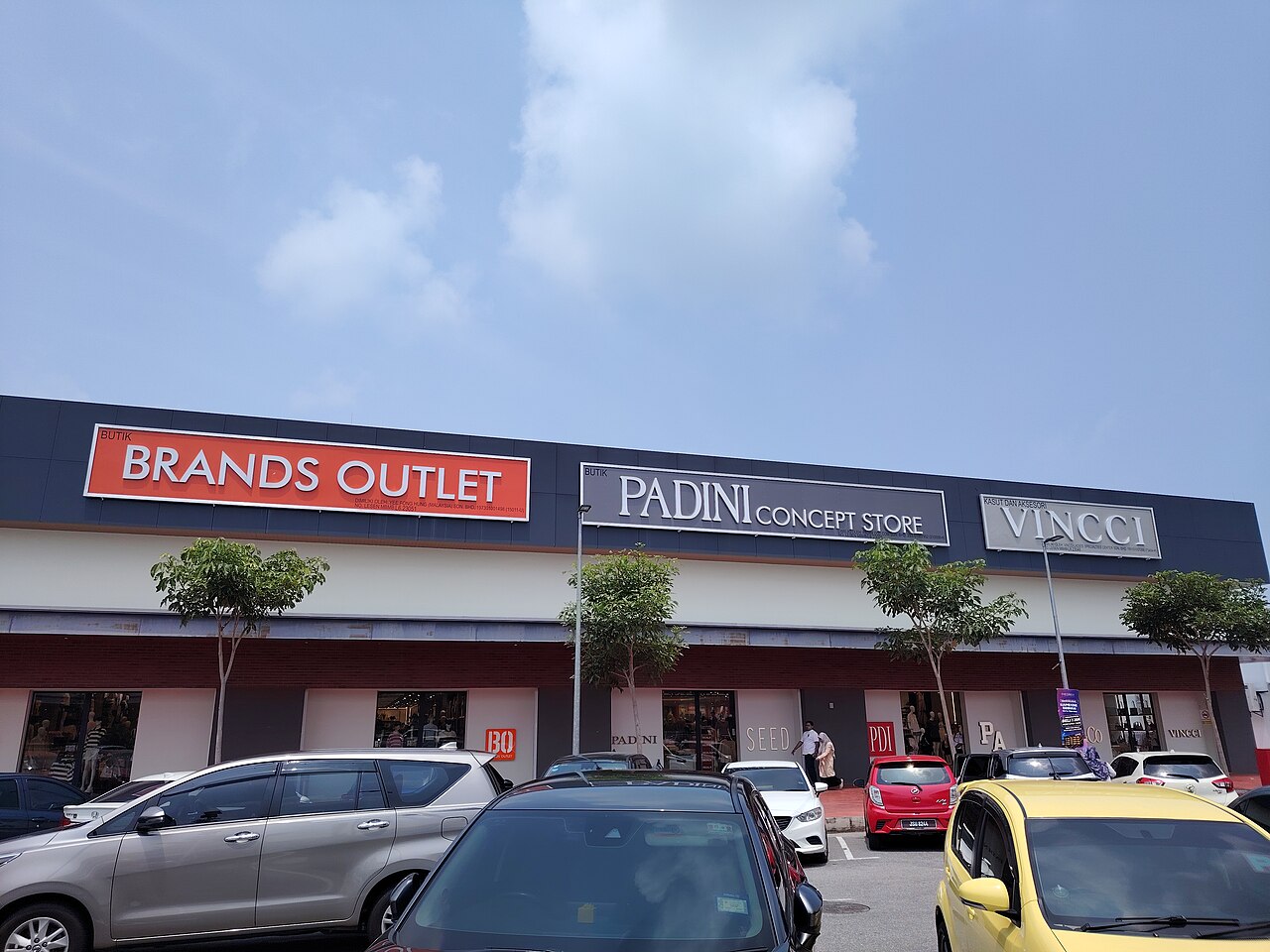
What makes Padini a branding lesson is not the flagship label but the portfolio. Under one roof sit Padini, Seed for urban office wear, Vincci for shoes and accessories, Miki for children and maternity, and P&Co. Each has its own customer and price point, so the group can cover a family’s entire wardrobe without muddying any single name.
Big malls such as Pavilion Kuala Lumpur and Mid Valley Megamall carry its stores. It is a house of brands built in Malaysia long before the phrase became fashionable in strategy decks.
2. Bonia
Bonia is the purest example of the borrowed accent done well. Chiang Sang Sem founded the business in 1974 to design, make and wholesale leather goods, starting in Singapore before moving headquarters to Malaysia in 1978. The name came to him on a trip to a leather trade fair in Bologna, as a tribute to the Renaissance sculptor Giambologna.
Bonia’s own heritage film traces the house from its 1974 founding, showing how product craft kept a borrowed Italian accent credible.
The name does the suggesting; the company never needed to claim more. What kept the brand credible was product: leather goods consistent enough that the Italian association felt earned rather than borrowed.
Bonia later added licensed and acquired names, including a stake in the German leather label Braun Büffel in 2012. It now sells through hundreds of outlets across Asia.
Access, aspiration and the hard middle
3. Vincci
Vincci was set up in 1981 to sell women’s shoes, bags, belts and accessories, and it is now part of the Padini group. Its job is different from Bonia’s. Where Bonia sells aspiration, Vincci sells access: fashionable shoes at prices a first-jobber can carry home on payday.
That clarity is the brand. Vincci rarely pretends to be luxury, and its customers do not want it to. A brand that knows exactly which purse it is designed for can change styles every season without losing itself.
4. Carlo Rino
Carlo Rino arrived in 1986 with handbags, footwear and accessories and another name that could pass for Milanese. It is headquartered in Kuala Lumpur and now trades on Bursa Malaysia as Carlo Rino Group, with a sunglasses offshoot called C.Rino.
Carlo Rino presents its Looney Tunes special edition, a collaboration from the Kuala Lumpur accessories brand.
Carlo Rino sits a step above mass fashion and a step below imported luxury, a middle position that is harder to hold than it looks. In 2024 it announced plans for an eight-storey flagship store on Jalan Imbi in Kuala Lumpur, a statement of confidence few local accessory brands could make.
The lesson for smaller labels? A premium-sounding name buys a first glance. Only the shop, the stitching and the service decide whether the customer comes back.
Stories for parents and tourists
5. Poney
Albert Tan and his wife, Sharon Ng, founded Poney in 1992 as a premium children’s and baby wear label. The group runs Poney, Baby Poney and Poney Enfants, covering newborns to twelve-year-olds.
Children’s wear is a tricky brand category because the buyer and the wearer are different people. Poney sells to parents and grandparents, so its codes are reassurance, softness and a touch of French polish in the sub-brand name.
It has exported that formula. By the middle of the last decade it had moved into Singapore, China, the Middle East, Indonesia and, through a master franchise, India.
6. BritishIndia
BritishIndia is the boldest name on the list. Founded in Kuala Lumpur in 1994 by Pat Liew, a former fashion director at the department store Metrojaya, the brand opened its first eight stores within four months of launch.
The name evokes the Raj and the meeting of British and Indian taste. Rather than hide behind it, the brand built an entire world around it: linen and tropical clothing, colonial-style interiors, home accessories, the feel of a planter’s verandah.
That world travelled well with tourists, who made up a large share of buyers in its flagship Kuala Lumpur and Singapore stores. Colonial nostalgia is not to everyone’s taste, and the brand has to manage that. But as a piece of narrative branding, it is a complete fiction made entirely real in the shop.
Does Jimmy Choo count as a Malaysian brand?
Readers ask this every time the name comes up. Strictly, no. Spiritually, yes.
7. Jimmy Choo
Jimmy Choo is a London brand. The man behind the name is Malaysian: born in Penang in 1948 to a shoemaker father who taught him the craft by hand, he studied at Cordwainers Technical College in Hackney in the early 1980s.
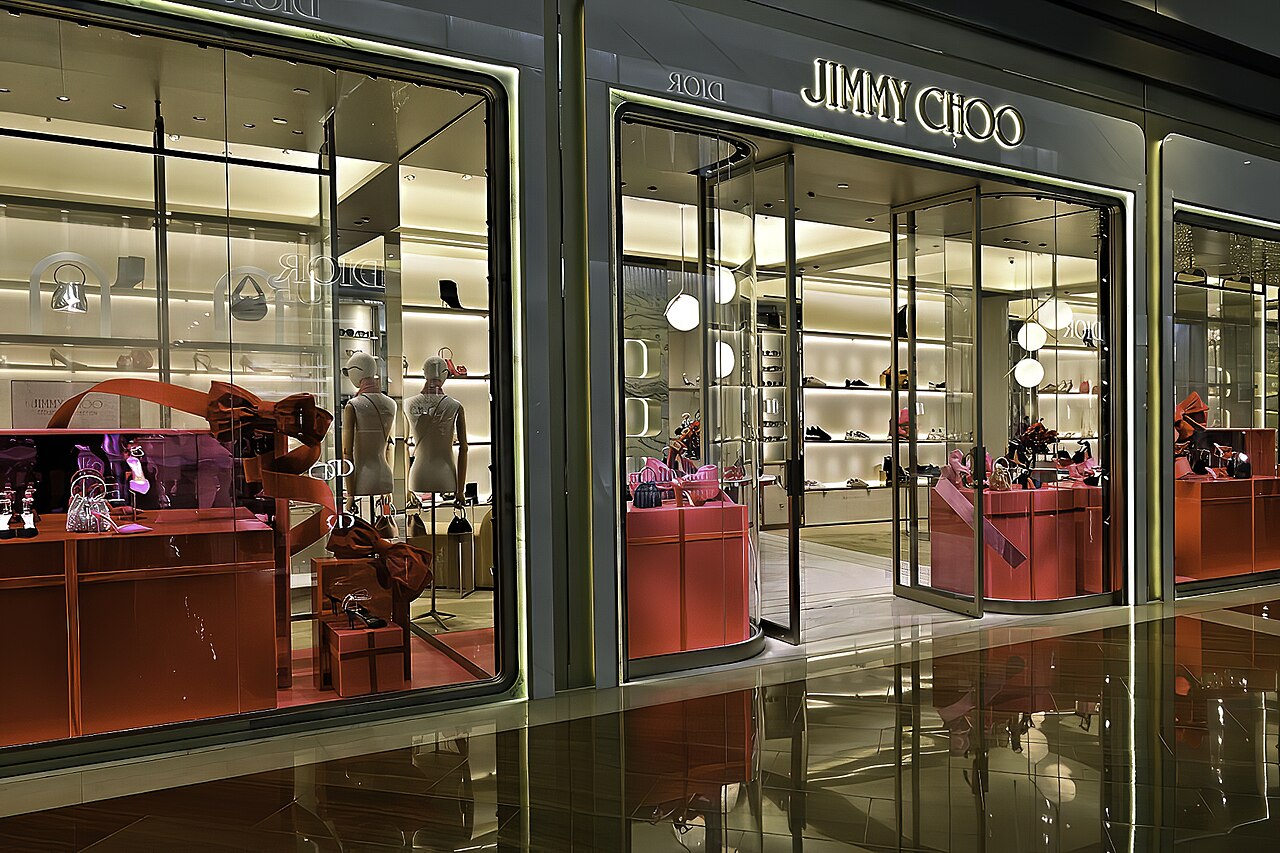
J. Choo Limited was founded in 1996 by Choo and Tamara Mellon, then accessories editor at British Vogue. Diana, Princess of Wales had already been a client and friend since 1991. Choo sold his half of the company in 2001 and received an OBE in 2002, and the business has belonged to Capri Holdings since 2017.
Why include it? Because it is the most famous fashion name with Malaysian roots, and because it proves the inverse of the Bonia trick: a Malaysian name, unchanged, can become shorthand for European luxury. The brand left Malaysia. The story never did.
The new guard: founders as the label
8. Christy Ng
Christy Ng started her shoe and handbag label in 2012 from her mother’s living room. It now runs a dozen boutiques in major Malaysian malls and has opened first stores in Indonesia and the Philippines.
Christy Ng introduces its Izzie Chain Bag, a launch from the founder-led shoe and handbag label.
She represents a shift in Malaysian fashion branding: the founder’s own name, face and personality as the brand. No foreign accent required. Customers buy into a person they follow, and the brand speaks like her.
That model builds loyalty quickly but ties the brand’s reputation to one individual, a trade-off every founder-led label must plan for.
9. Naelofar
Naelofar, launched in 2014 by the actress and entrepreneur Neelofa, sells hijabs, prayer wear and accessories. It grew on Instagram and distributor networks rather than flagship stores, and it has been sold in dozens of countries.
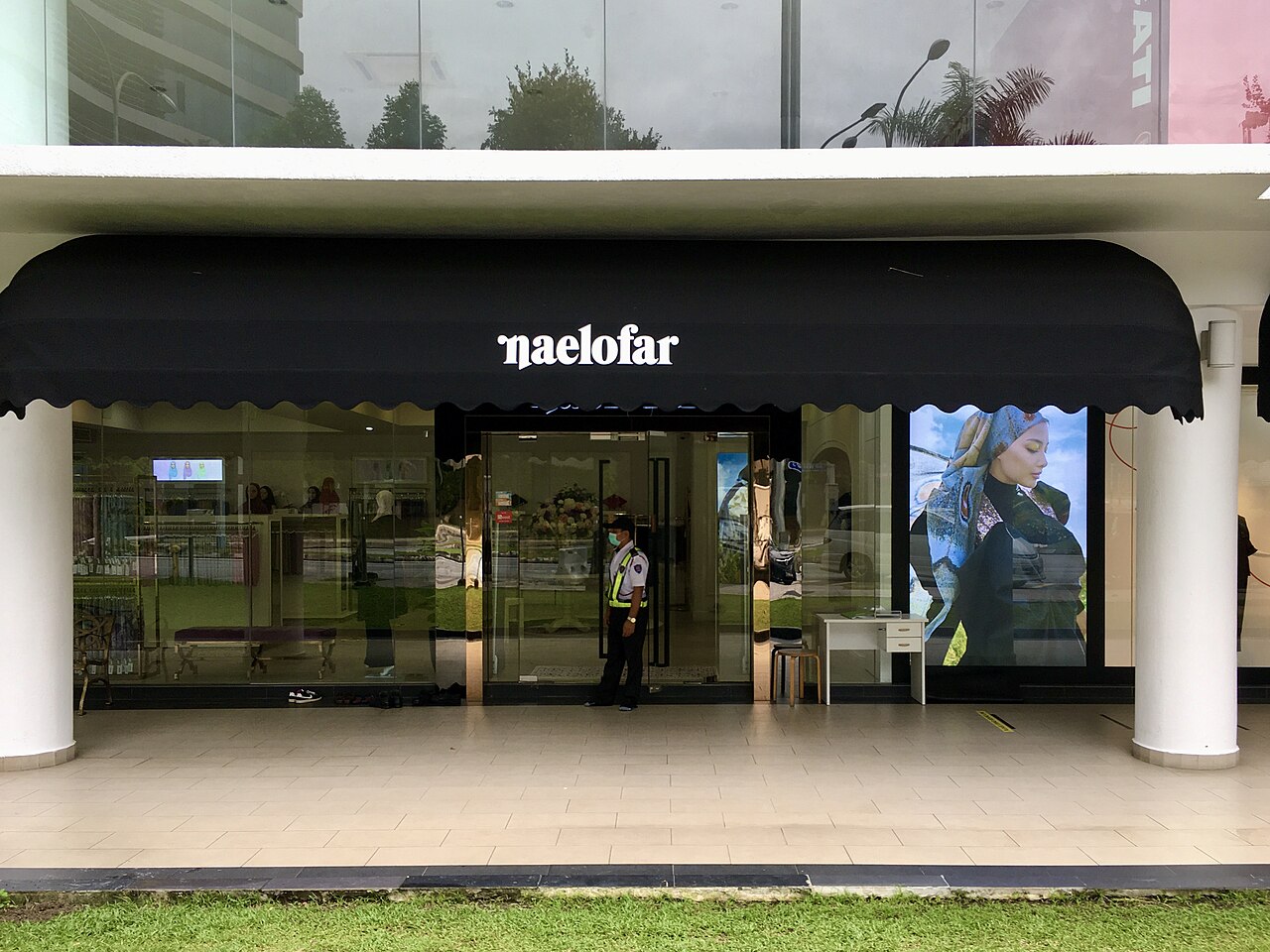
It is also a reminder that Malaysia’s most dynamic fashion category is modest wear, where the brand meanings are cultural and religious as well as aesthetic. Naelofar’s record shows how far a strong brand in that space can travel commercially. In 2016 its hijab line won MATRADE export awards; in 2017 it designed hijabs for AirAsia’s female pilots; and in 2019 it produced a Starbucks x Naelofar collection sold only at Starbucks.
10. dUCk
dUCk is the scarf and lifestyle label co-founded by Vivy Yusof, who with her husband, Fadzarudin Shah Anuar, had co-founded the online fashion retailer FashionValet in 2010. Where BritishIndia built a world, dUCk built a fandom around one accessory: the printed scarf, sold as a statement rather than a staple.
Start with the name. Four letters, an animal, and capitals in all the wrong places. On a crowded shelf of scarves that look alike from a metre away, a wordmark that breaks the rules of typing is a distinctive asset, and fans can spot it in a feed before the print has loaded.
It also makes a point about focus: growing a lifestyle label outward from one hero product is a cheaper route to recognition than launching a full wardrobe at once.
Can Malaysian fashion brands compete with the global chains?
This is the question Malaysian founders ask most often, usually with a resigned sigh. The global fast-fashion chains have scale, speed and media budgets no local label can match.
The ten brands above suggest a better question: where can a Malaysian label win that a global chain cannot?
Several answers emerge. Modest fashion, where cultural fluency matters more than speed. Tropical clothing that actually suits the climate. Price points tuned to Malaysian salaries.
Founder personalities that shoppers follow daily. And portfolio brands, such as Padini’s, that know their customers’ lives in detail.
None of these advantages comes from copying the chains. They all come from knowing something specific that a global buyer in another hemisphere does not.
What the list teaches any brand owner
First, a name is a promise you will be held to. The borrowed accents worked for Bonia and Carlo Rino because the products backed them up. Picture a Johor Bahru shoe start-up calling itself “Maison Something” while selling flimsy flats: shoppers would find out within a month of wear, and the name would turn from asset into punchline.
Second, a story beats a slogan. BritishIndia and Jimmy Choo sell narratives that customers can step into. A tagline cannot do that work alone.
Third, structure matters as much as style. Padini’s portfolio lets each label stay sharp, rather than stretching one name over every customer.
Finally, founder brands are fast and fragile. Christy Ng, Naelofar and dUCk show how quickly a personal following can become a business, and how closely the founder’s reputation and the brand’s travel together.
Off the rack: quick answers
What is the biggest fashion brand from Malaysia?
By global fame, Jimmy Choo, founded in London in 1996 by Penang-born Jimmy Choo and Tamara Mellon and now owned by Capri Holdings. Among brands still run from Malaysia, Padini and Bonia are the most established names.
Is Bonia an Italian brand?
No. Bonia was founded in 1974 by Chiang Sang Sem and has been headquartered in Malaysia since 1978. Its name was inspired by the sculptor Giambologna during a visit to a trade fair in Bologna.
Who owns Vincci?
Vincci, founded in 1981, is part of Padini Holdings, which also owns the Padini, Seed, Miki and P&Co labels.
Choosing a name that will still fit your label in twenty years? Start with our brand naming work.






