Walk out of Tan Son Nhat airport in Ho Chi Minh City and the first Vietnamese brand many visitors buy from is a telecoms company owned by the army. The second, often by breakfast, is a dairy founded the year after the war ended. By lunchtime they have walked past half a dozen bank branches whose names, to an outsider, blur into one long string of capital letters.
Those three encounters are Vietnam’s corporate brand league table in miniature.
Vietnam’s top 10 corporate brands are the ten Vietnamese companies whose brand names carry the highest financial value, as measured by an independent brand-valuation consultancy using the estimated royalty a company would pay to license its own name on the open market.
This list follows the most recent such ranking, the Brand Finance Vietnam 100 for 2026, published in July 2026. The order and the valuations are Brand Finance’s; the commentary is ours. It is a valuation table, not a popularity contest, so it rewards scale, profit and trust over buzz. Keep that bias in mind as you read.
How is this ranking worked out?
Brand value here means the economic benefit a company could earn by licensing its brand to someone else. Analysts estimate a fair royalty rate for the sector, adjust it by a brand-strength score built from things like familiarity, reputation and marketing investment, and apply it to forecast revenue. The result is a dollar figure for the name alone, stripped of factories, loans and customers.
Two consequences follow. Big, profitable companies in big sectors dominate, which is why banks crowd the list. And a much-loved but small brand cannot appear, however famous its logo.
The 2026 table put the combined value of Vietnam’s hundred most valuable brands at US$43 billion, up 11 per cent on the year. The top ten alone accounted for roughly US$24.5 billion. Not one of them changed position from 2025. Stability, it turns out, is the headline.
The top 10 at a glance
| Rank | Brand | Sector | Brand value (US$) |
|---|---|---|---|
| 1 | Viettel | Telecoms and technology | 7.9 billion |
| 2 | Vinamilk | Dairy | 2.6 billion |
| 3 | Vietcombank | Banking | 2.5 billion |
| 4 | VietinBank | Banking | 2.2 billion |
| 5 | MB | Banking | 2.0 billion |
| 6 | Vinhomes | Real estate | 1.8 billion |
| 7 | BIDV | Banking | 1.8 billion |
| 8 | Techcombank | Banking | 1.7 billion |
| 9 | Agribank | Banking | 1.0 billion |
| 10 | FPT | Technology | 1.0 billion |
1. Viettel: the soldier that learnt to sell
Viettel is worth roughly three times the brand in second place, and it has held the top spot for eleven consecutive years. That gap is the most striking fact in Vietnamese branding.
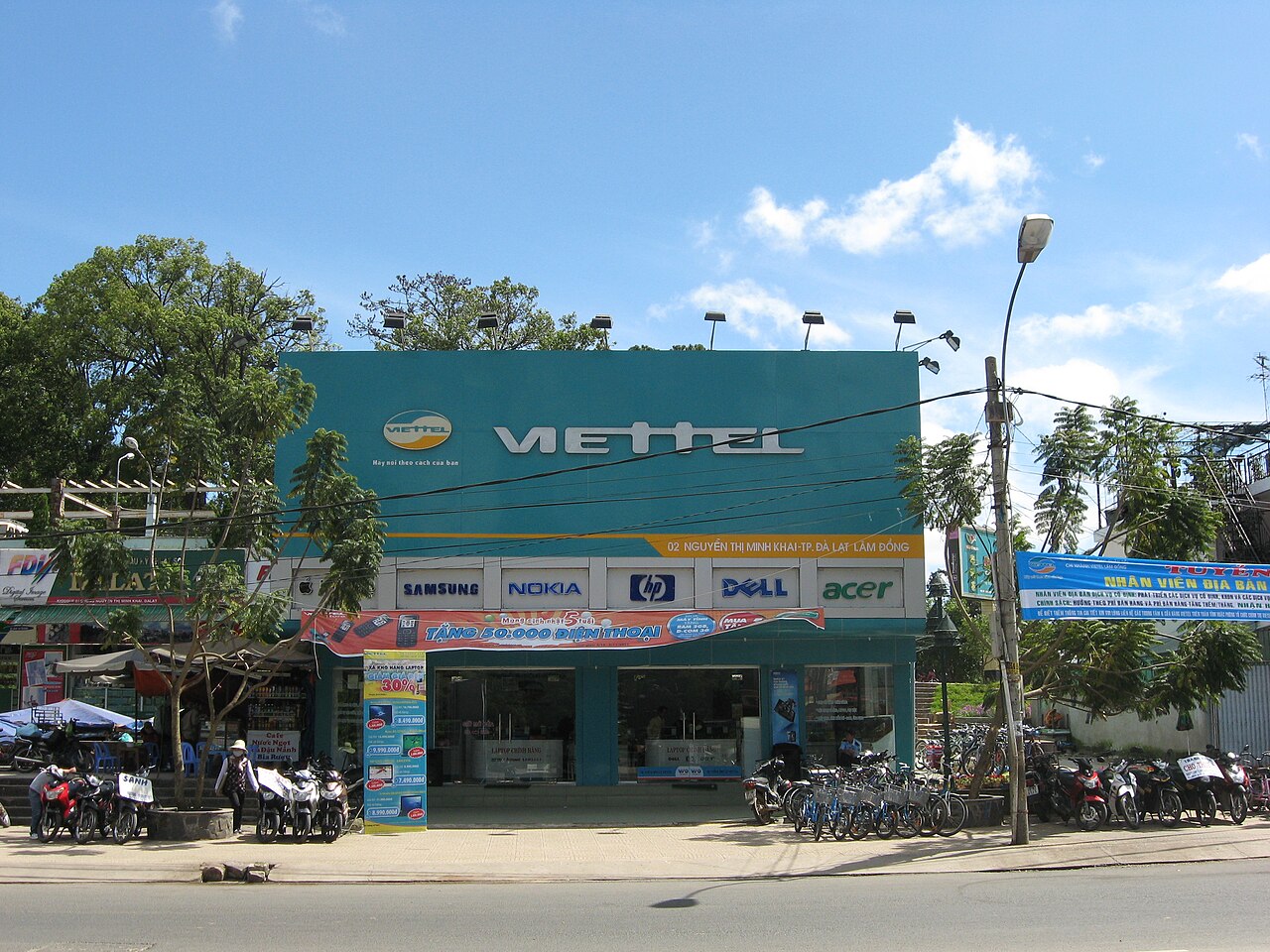
The company traces its roots to 1 June 1989, when a military electronics corporation was set up under what is now the Ministry of National Defence. It remains wholly state-owned and run by the military, and its current logo and identity date from January 2004. Yet the brand has never felt like a barracks. Travellers buy its SIM cards on arrival without a second thought about who owns the network.
The clever part is what Viettel did abroad. Rather than plant its own name everywhere, it built local brands: Unitel in Laos, Metfone in Cambodia, Movitel in Mozambique, Halotel in Tanzania, Natcom in Haiti, Bitel in Peru, Mytel in Myanmar.
A Vietnamese military telecoms name might have been a hard sell in Dar es Salaam or Lima. A local-sounding operator was not. It is a textbook house-of-brands choice, made by a company most branding textbooks never mention.
Viettel has also tried to own engineering. It made its first official 5G connection with Ericsson in May 2019 and unveiled a domestically developed 5G chip in October 2023. The story is shifting from “the network everyone uses” to “the Vietnamese company that makes the technology”.
2. Vinamilk: the carton on every breakfast table
Vinamilk began in 1976, formed by nationalising three dairy factories in the south. It listed on the Ho Chi Minh City exchange in 2006. The state still holds a controlling stake, and Singapore’s F&N is the largest foreign shareholder.
Its brand value rests on something simple. Ubiquity. Half a century on Vietnamese shelves buys a kind of familiarity no campaign can manufacture. And milk is a category where pride in buying local runs strong, which puts Vinamilk right on top of that sentiment.
Vinamilk’s Green Farm film shows how the dairy giant ties its familiar carton back to its own farms.
In July 2023 the company refreshed its identity with a bolder, more contemporary look and a new slogan, making a heritage name feel younger without throwing away five decades of recognition. In 2026 the brand drew strength from recovering domestic spending and its push into markets such as Australia, India, Indonesia, Kazakhstan and Russia. It already runs a dairy in Cambodia and owns Driftwood Dairy in California.
3. Vietcombank: trust, rated AAA+
Vietcombank started life on 1 April 1963 as the Bank for Foreign Trade of Vietnam, the state’s window on international payments. The State Bank of Vietnam still owns about three-quarters of it, and Japan’s Mizuho holds 15 per cent.
Third by value, it does even better on strength. The 2026 ranking rated it AAA+ and named it the world’s strongest banking brand, and it is the only Vietnamese bank in the top three on both measures.
For a bank, strength largely means trust. In Vietnam, trust has an obvious anchor: a state-backed institution with more than sixty years of history and a blue-chip foreign partner.
4. VietinBank: a rename that stuck
VietinBank was Incombank until April 2008, when it took the name it carries today. Japan’s MUFG agreed in 2012 to buy a 20 per cent stake, and the state remains the majority owner.
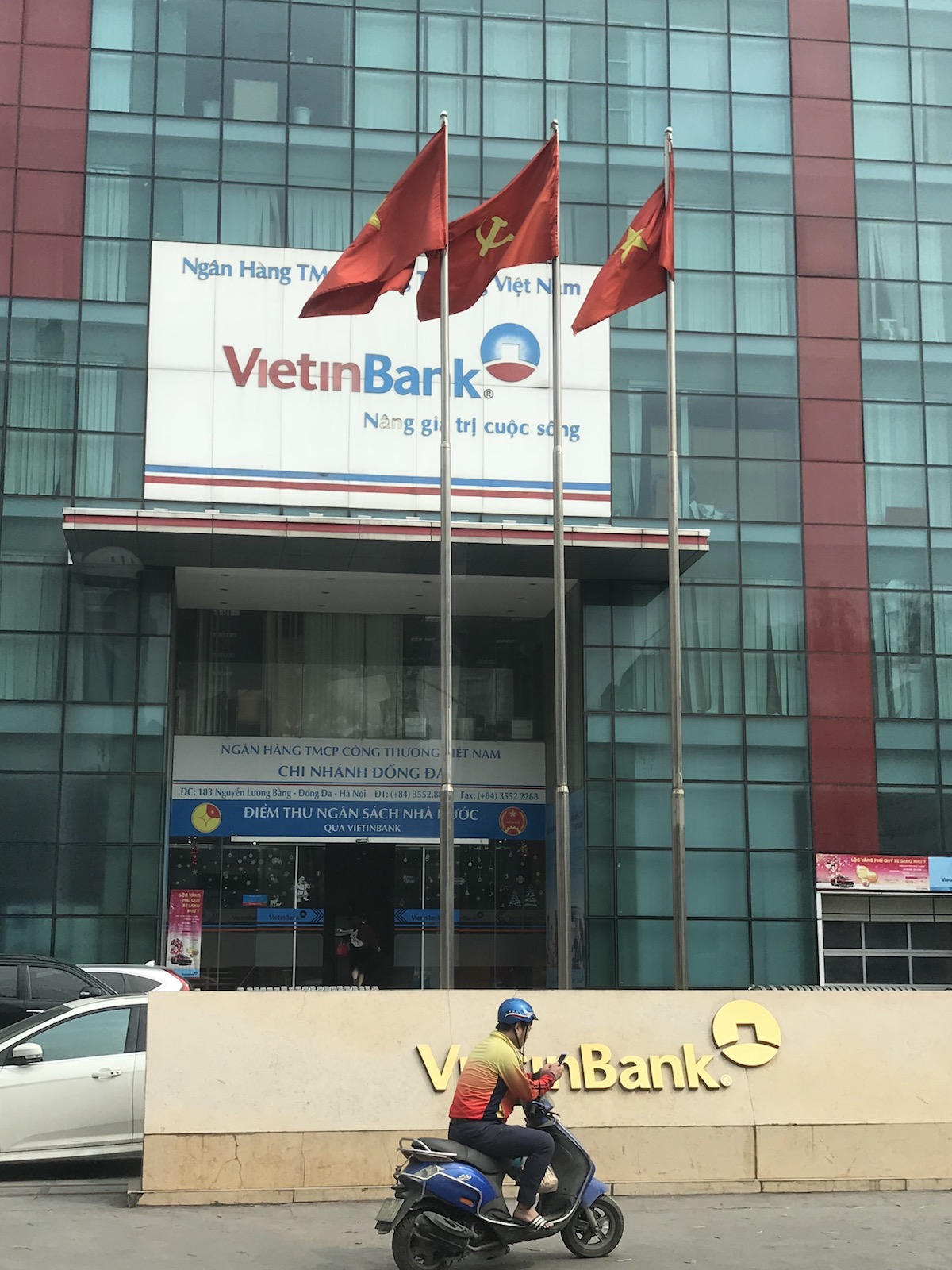
The rename is the instructive bit. “Incombank” was a contraction that told customers little. “VietinBank” puts the country in the name, which reads as patriotic at home and as a clear origin label abroad.
Eighteen years on, the new name is simply the name. That is what a successful rebrand looks like. Quiet.
5. MB: a military bank with a nimble streak
MB, the Military Commercial Joint Stock Bank, was founded on 4 November 1994 and sits within the defence establishment; Viettel became a strategic shareholder in 2008. On paper this sounds like a brand for colonels.
MB’s own guide to opening an account online in the MBBank app shows the product doing the talking for a bank with military roots.
In practice the 2026 commentary singled out MB, alongside BIDV, for innovation, and it sits fifth, ahead of older state banks such as BIDV and Agribank. A heritage that sounds rigid can coexist with a product that feels nimble, as long as the product does the talking.
6. Vinhomes: selling a whole neighbourhood
Vinhomes is the property arm of Vingroup, the conglomerate founded by Pham Nhat Vuong. It was spun off and listed in 2018, and it owns Landmark 81 in Ho Chi Minh City, the tallest building in Vietnam.
What Vinhomes sells is not an apartment but an entire planned district. The “Vin” prefix, shared with sister brands such as the resort group Vinpearl, does the endorsing: buyers who trust one Vingroup business are invited to trust the next. The 2026 valuation explicitly credited this integrated urban model. It is the clearest example on the list of brand architecture used as a commercial engine.
7. BIDV: a name that is hard to say
BIDV was founded on 26 April 1957 as the Bank for Construction of Vietnam and has carried its present name since 1990. Korea’s KEB Hana Bank bought 15 per cent in 2019, the largest strategic-investor deal in Vietnamese banking at the time.
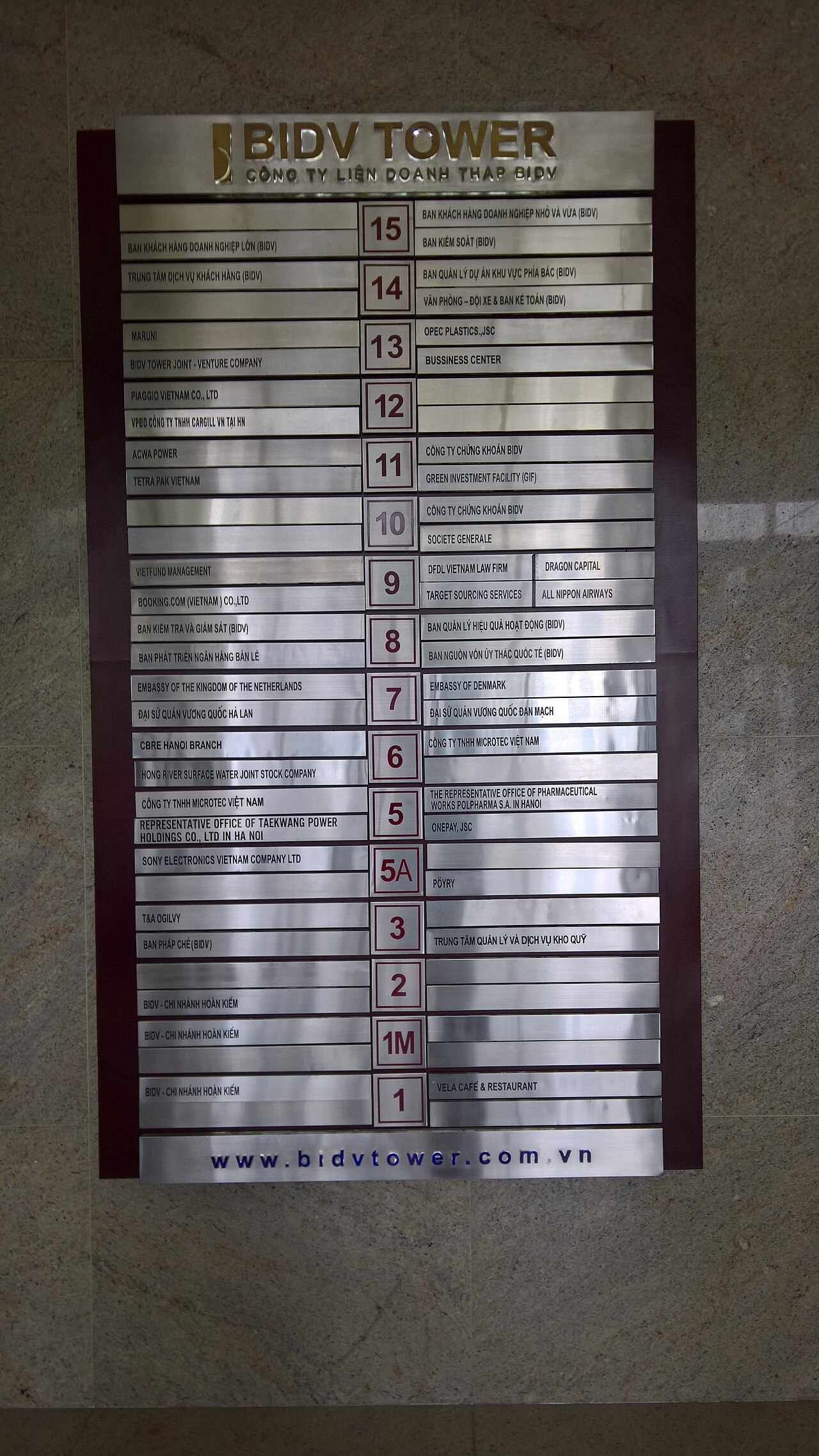
Its brand challenge is almost comic. Even how to pronounce the initials has been a talking point in the Vietnamese press. Acronyms are efficient on a cheque book and miserable in conversation.
BIDV’s place in the table shows that scale can carry a clumsy name a long way. It also shows how much easier life is with a name people can say aloud.
8. Techcombank: the private challenger
Techcombank was founded in 1993 by Vietnamese entrepreneurs returning from Russia, and it has remained privately controlled. Its 2018 listing raised more than US$900 million, then the largest IPO in the country, with Singapore’s GIC among the cornerstone investors.
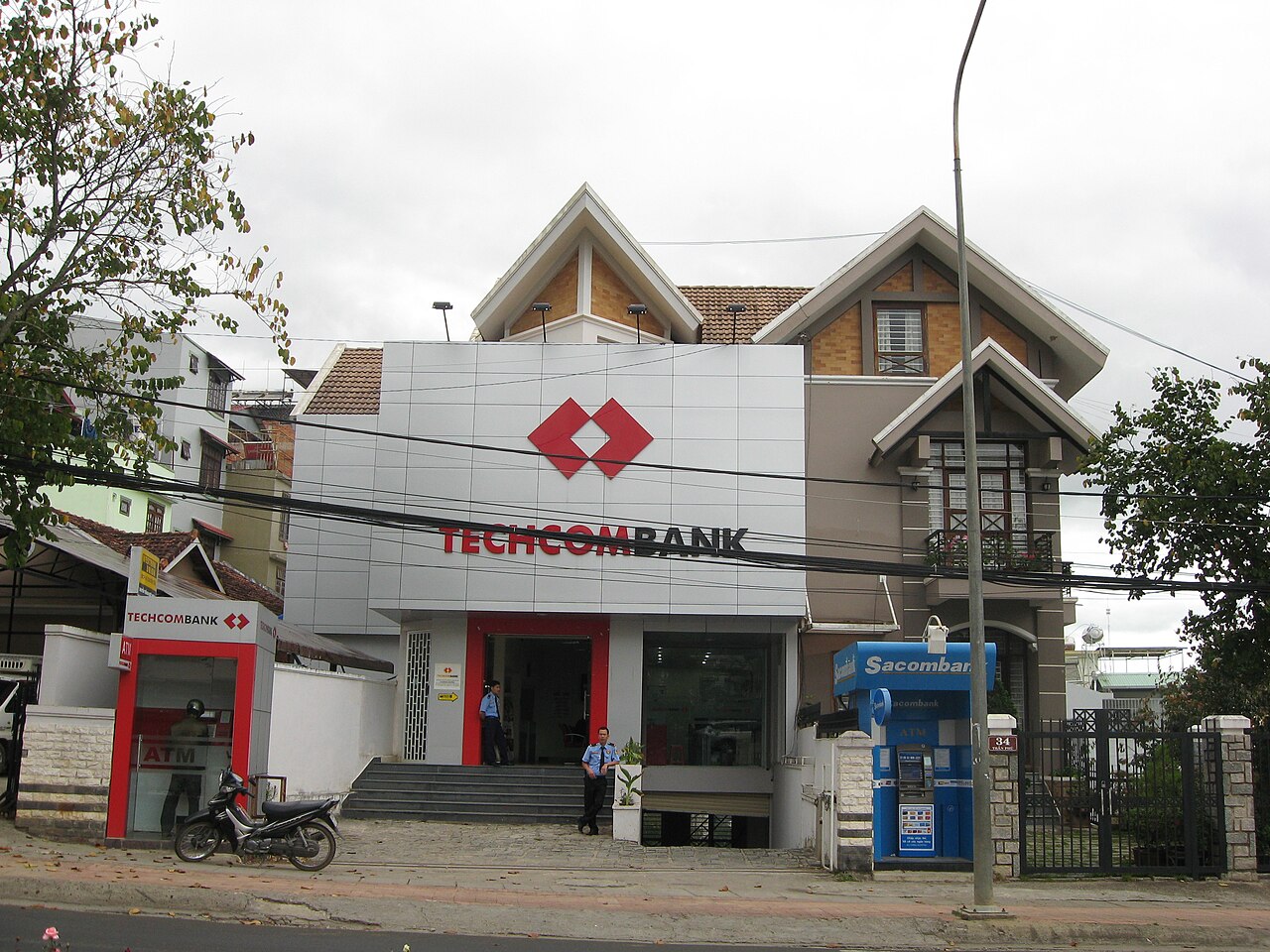
Its shareholder story is a branding story too. HSBC held up to 20 per cent before selling out in 2017, and Warburg Pincus invested US$370 million in 2018.
Foreign blue-chip money did for Techcombank what a ministry does for its state rivals: it signalled safety. A privately controlled lender can sit among the state giants. It just has to earn its trust signals rather than inherit them.
9. Agribank: the brand of the countryside
Agribank was established on 26 March 1988 as Vietnam’s first state-owned commercial bank, with a mandate to serve agriculture, farmers and rural areas. It is still wholly state-owned, and by 2000 it already had some 2,300 branches and transaction offices.
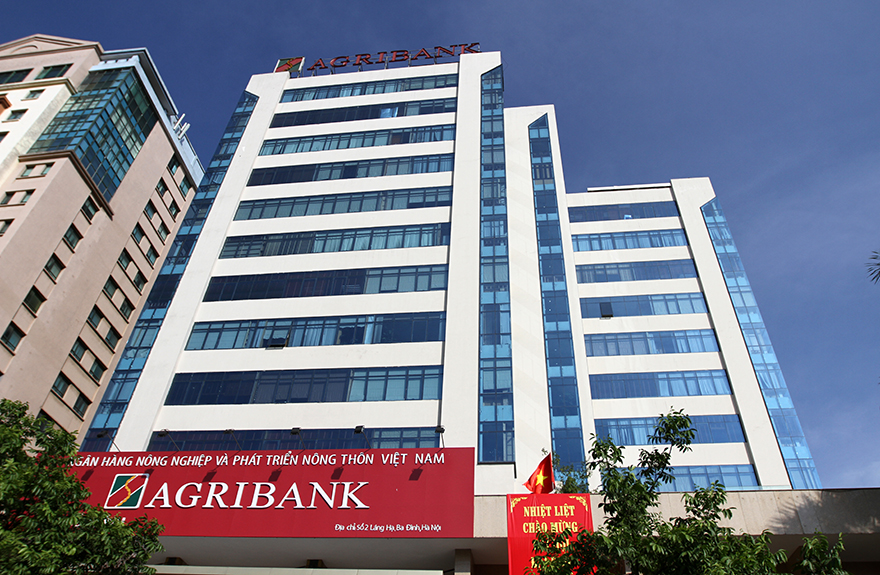
City dwellers may overlook it, but its network was built for the provinces. Its value dipped slightly in 2026, which matters less than its reach. A brand rooted in thousands of rural communities has a kind of equity no advertising can buy. It also has a vulnerability, if digital rivals start reaching the same farmers through their phones.
10. FPT: from food processing to Nvidia
FPT was founded on 13 September 1988 as Food Processing Technology, a delightfully unlikely origin for a company now known for software. The initials survived. The meaning changed.
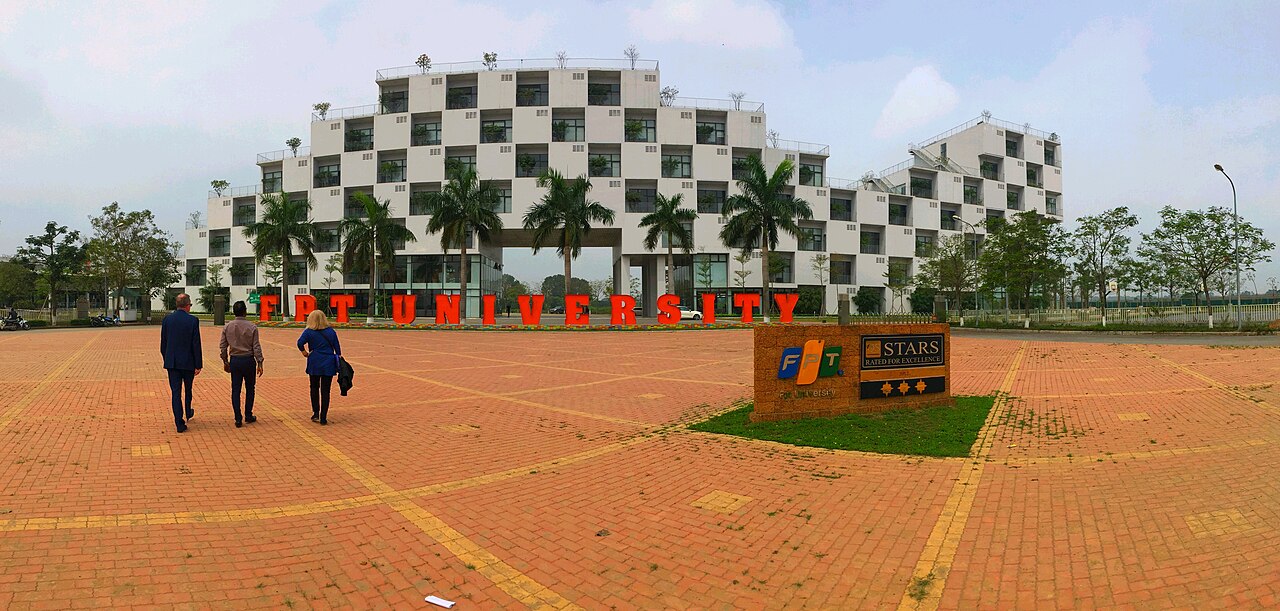
Today FPT spans IT services, telecoms and education; FPT University, licensed in 2006, was Vietnam’s first corporate university. It bought RWE’s IT unit in Slovakia in 2014, the first acquisition of its kind by a Vietnamese IT company, and in April 2024 announced a partnership with Nvidia to build an AI factory.
Of the ten, FPT is the brand most clearly competing abroad under its own name. It is the closest thing on the list to a global corporate brand.
What do Vietnam’s top brands have in common?
First, the state is everywhere. Viettel, MB, Vietcombank, VietinBank, BIDV, Agribank and Vinamilk all have state or military owners, directly or through holding companies. In a market where institutional safety weighs heavily, a government connection works as a trust mark.
Outsiders may read it as a weakness. Many Vietnamese customers read it as a guarantee.
Second, banks dominate because banking is where trust is monetised. Six of the ten are banks. A bank’s brand value scales with its business, and deposits follow perceived safety. MB, praised this year for innovation, and the privately controlled Techcombank show that safety can be paired with something more.
Third, the list is stable but not static. Just below the top ten, VPBank rose 41 per cent to US$995 million, and the airline Vietjet more than doubled its brand value, the fastest growth in the country. The insurer Bao Viet was rated Vietnam’s strongest brand overall. Pressure is building from below.
Why is there no Vietnamese brand people know abroad?
Vietnam makes trainers, phones and furniture for the world, so why can so few people name a Vietnamese brand? Travellers know Viettel only as a SIM card. Coffee fans know the beans, not the companies.
The honest answer is that most of the table earns its money at home. Banks, property and domestic telecoms are local businesses by nature. Viettel went abroad under other names, Vinamilk’s overseas growth leans on subsidiaries and export markets, and FPT is the clearest case of a brand competing internationally under its own flag.
Branding power in Vietnam has been built for Vietnamese customers first. That may change, as the country moves from making other people’s products towards selling its own. Future editions of this list may include names built for the world.
The view from Singapore
For Singapore companies eyeing Vietnam, the table offers practical lessons. Expect customers to reward stability and scale over novelty. Expect patriotic sentiment in categories like dairy. And notice how often the winners use family naming systems, such as the “Vin” prefix or the military lineage linking MB and Viettel, to pass trust from one business to the next.
Picture a Singapore wealth-tech firm entering Hanoi. Its instinct might be to lead with sleek design and global credentials. The table suggests safety signals first: a licensed local partner, a known shareholder, a visible physical presence. Then the design.
Quick answers
What is Vietnam’s most valuable brand?
Viettel, the military-owned telecoms and technology group, valued at about US$7.9 billion in the 2026 Brand Finance Vietnam 100. It has topped the ranking for eleven consecutive years.
Why are so many banks in Vietnam’s top 10 brands?
Brand valuations scale with revenue, and banking is one of Vietnam’s largest and most profitable sectors. Six of the ten most valuable brands are banks, led by Vietcombank, VietinBank and MB.
What is the strongest brand in Vietnam?
On brand strength, as opposed to value, the insurer Bao Viet scored highest in 2026 with a rating of AAA+. Vinpearl and Vietcombank followed closely.
Weighing your own brand against the names at the top of the table? An honest valuation starts with a brand audit.






