Twenty years ago, it was a commonplace in marketing circles that China had become the world’s factory without producing a single brand the world recognised. Read that line today in a Shenzhen office tower and it sounds like a dispatch from another century.
The ten most valuable Chinese brands are now worth just over US$800 billion between them, and two of them are worth more than the next three combined.
China’s top corporate brands are the Chinese company and product names that carry the most financial value, as measured by brand-valuation studies that combine financial performance with consumer research. In 2026 they span messaging, e-commerce, short video, liquor, telecoms equipment and banking.
What follows is less a scoreboard than a set of case files. Each name built its value in a different way. Several broke rules that Western brand textbooks treat as sacred.
How this list was ranked
The ranking is based on brand value as published in the 2026 Kantar BrandZ Most Valuable Chinese Brands study, released in September 2026, with our commentary. That study combines company financials with large-scale consumer research to estimate how much of each business’s value is attributable to the brand itself. The top 100 brands were worth US$1.4 trillion in total, up 13 per cent on the previous year.
Other league tables disagree at the margins. Brand Finance’s China 500, published in May 2026, uses a different method and puts TikTok/Douyin first, with the State Grid Corporation of China second.
We follow Kantar’s order throughout, because it publishes a complete top ten with values. Treat any single ranking as a well-argued opinion rather than a law of physics. The broad picture, though, is consistent across both.
The platforms: brands you live inside
1. Tencent (US$209.9 billion)
Tencent sits so far ahead that the rest of the table looks like a different league. Its brand value is close to double Alibaba’s.
The odd thing is how rarely its users say its name. Tencent was founded in Shenzhen in November 1998, and its Chinese name, Tengxun, weaves in part of founder Pony Ma’s name and loosely means “galloping fast information”.
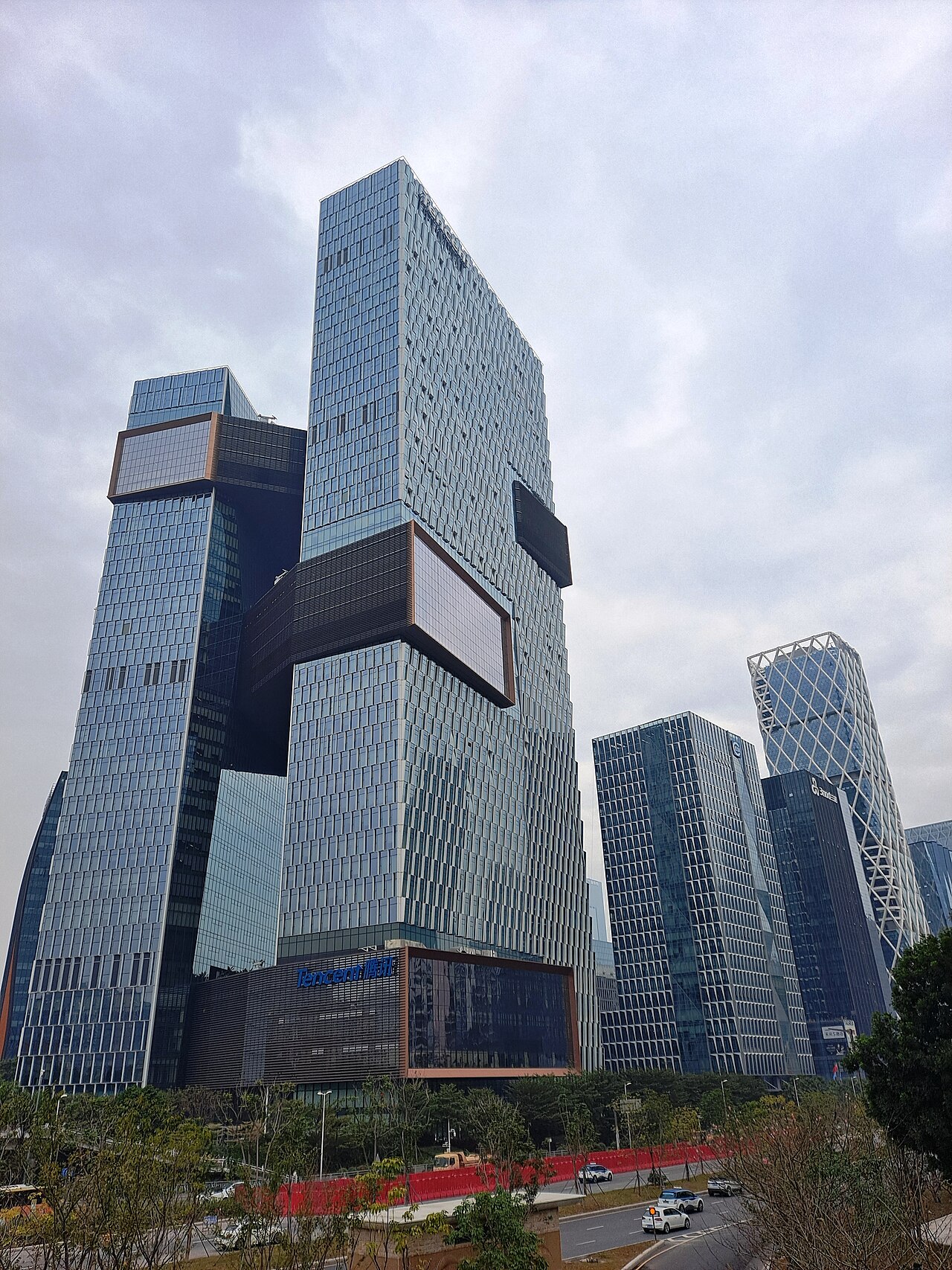
Its first hit, an instant messenger called OICQ, was renamed QQ shortly after launch in 1999, reportedly to avoid a legal clash with ICQ. Then, on 21 January 2011, came Weixin, known abroad as WeChat.
Most people who open WeChat never give Tencent a thought. That is the branded-house model turned inside out: a corporate parent whose value comes from product brands so dominant they have become infrastructure. Add game studios such as Riot Games and Supercell, and you have a company whose most valuable asset may be invisibility.
One rival valuation even counts WeChat separately, at US$48.1 billion and rising fast. Few illustrations show more clearly how much of a parent’s worth can belong to a single product.
2. Alibaba (US$112.5 billion)
Jack Ma and 17 friends and students started Alibaba in his Hangzhou flat on 28 June 1999. He chose the name from the One Thousand and One Nights tale because it travelled: almost anyone, anywhere, could say it and remember it.
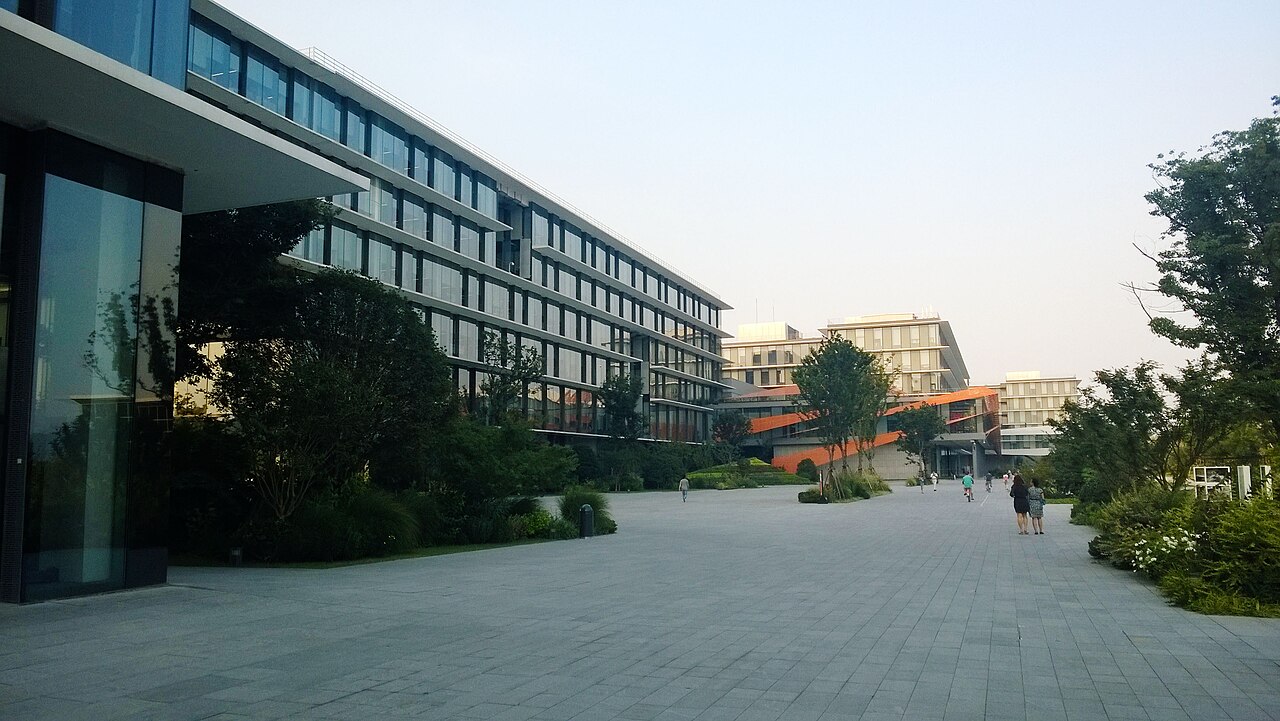
That naming instinct ran through what followed. Taobao opened in 2003. Taobao Mall launched in 2008 and later became Tmall. When Alibaba listed in New York in September 2014, it raised US$25 billion, then the largest IPO in history.
The 2026 figure, up 33 per cent, is the strongest growth among the platforms. It follows a 2023 restructuring that split the group into six separately run units. For brand strategists, Alibaba is a live experiment in whether a parent brand stays valuable as its children are given more independence.
Is Douyin just TikTok with another name?
3. Douyin (US$98.4 billion)
ByteDance launched a short-video app called A.me in September 2016 and renamed it Douyin, literally “shaking sound”, three months later. In 2017 it built an overseas twin, TikTok, which absorbed Musical.ly in 2018.
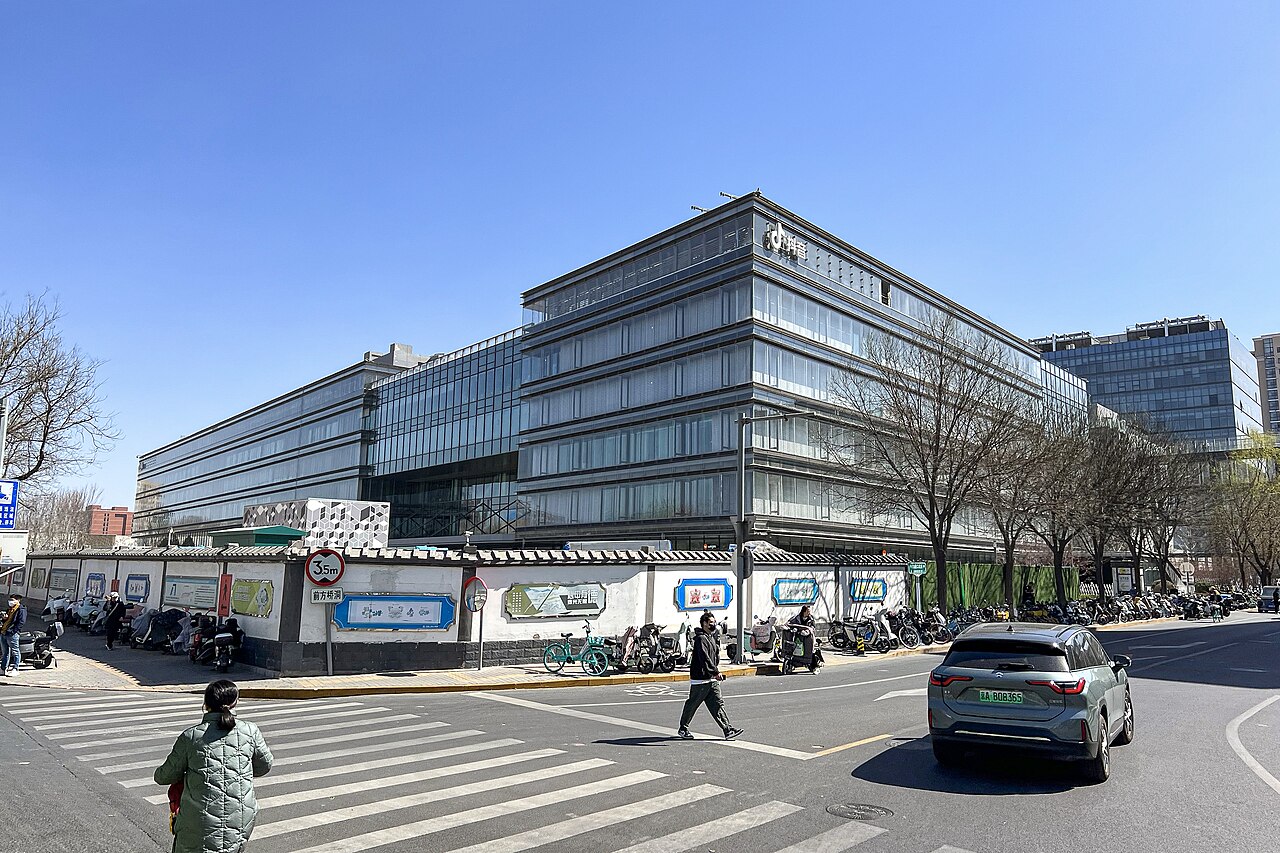
The two apps look alike and operate separately. That decision is the most consequential piece of brand architecture on this list. One product idea, two names, two markets, two regulatory realities.
When Western readers ask why they have never heard of Douyin, the answer is that they were never meant to.
Douyin overtook Moutai this year to take third place, up 29 per cent. A rival table puts the combined TikTok/Douyin brand first. Either way, short video is now one of the most valuable categories in Chinese branding.
Why have I never heard of half of these brands?
Western readers ask it of almost any Chinese league table. Some names, such as Huawei and Haier, are unmistakably Chinese to foreign ears. Others, Lenovo being the classic example, give no clue to their origin.
The truth is simpler. Most of these brands earn the bulk of their value in their vast home market. Global fame is optional when domestic dominance is this deep. The more interesting question is which of them want to be known abroad, and under which name.
The heritage and hardware brands
4. Moutai (US$82.1 billion)
The only consumer product in the top five is a fiery sorghum spirit from a small town in Guizhou. Kweichow Moutai was formed in 1951 when three private distilleries were merged into a state-owned company, and it makes a “sauce aroma” style of baijiu.
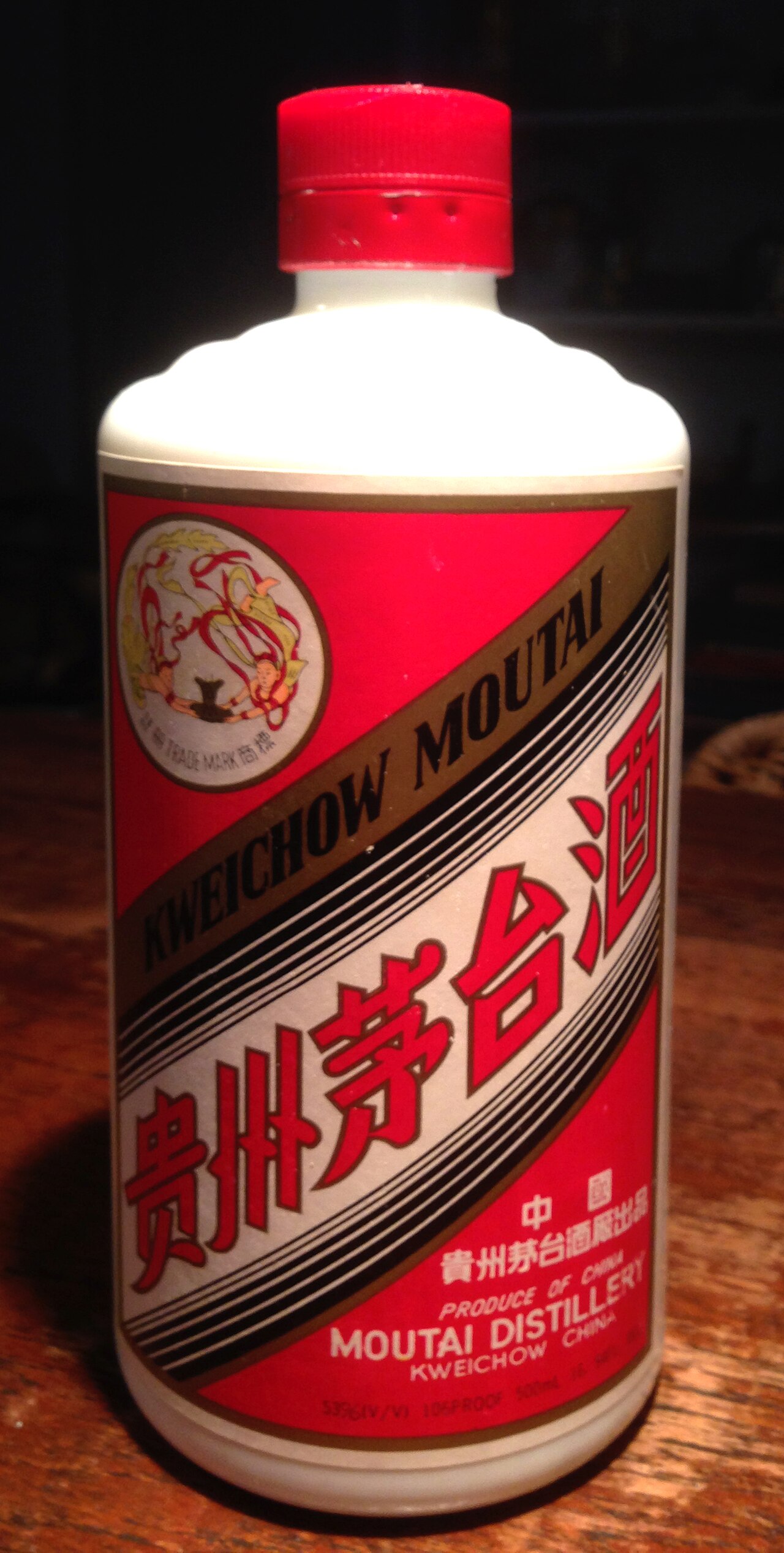
Its brand power is diplomatic as much as commercial. Moutai was poured at the banquet during Richard Nixon’s 1972 visit to China, and it has remained the bottle of state occasions. That ceremonial role turns every bottle into a small piece of ritual, which is why Moutai behaves more like a luxury good than a drink.
Brand Finance’s 2026 spirits table also rates it the most valuable spirits brand in the world.
Moutai’s recent trick has been to court the young without diluting the old. On 4 September 2023, its tie-up with Luckin Coffee produced a Moutai-laced latte that sold more than 5.42 million cups on its first day. A heritage brand borrowing a coffee chain’s reach is a move worth studying.
Can adversity make a brand stronger?
5. Huawei (US$80.2 billion)
Ren Zhengfei founded Huawei in Shenzhen in 1987. He has said the name came from a wall slogan that translates roughly as “China has achievements”. Few corporate names carry so much national meaning so openly.
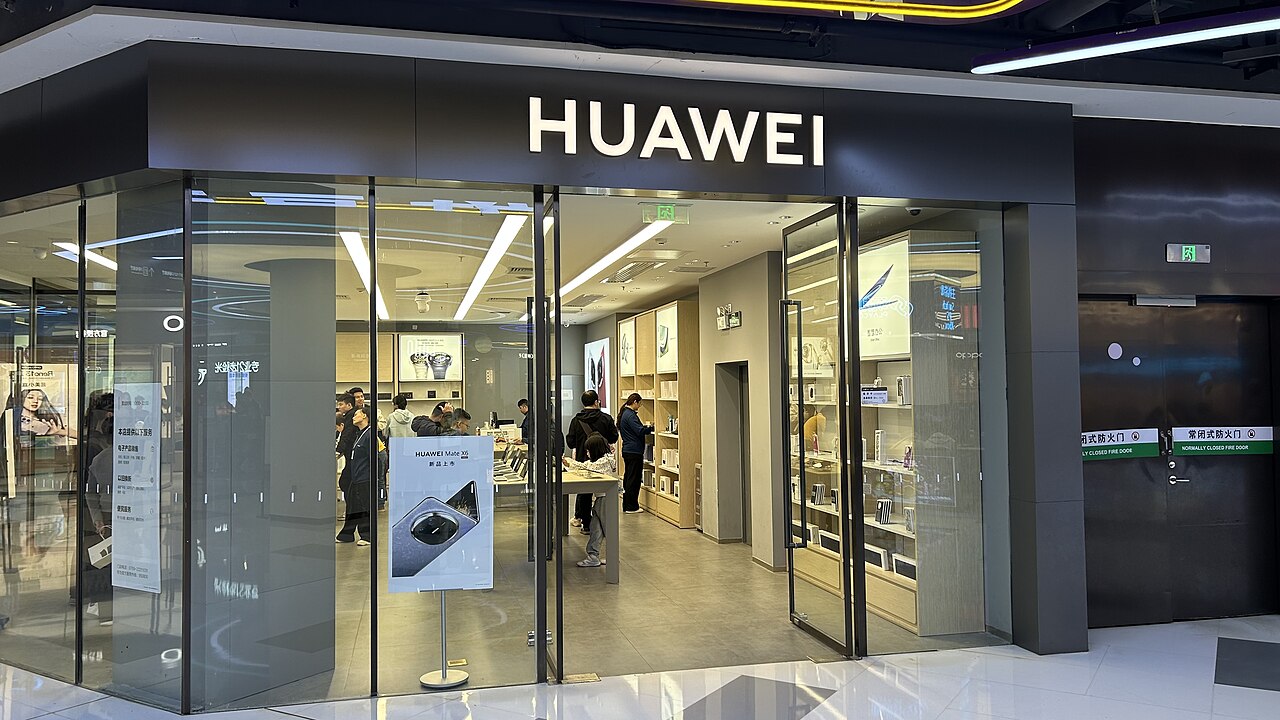
That meaning cut both ways. Placed on the US Entity List in May 2019, Huawei faced sweeping restrictions on American technology, sold its budget Honor brand in 2020 and built its own HarmonyOS, installed on more than 900 million devices by June 2024. The 2026 brand value is up 25 per cent.
The lesson is uncomfortable for anyone who believes brands are built only by marketing. Huawei’s standing at home has, arguably, grown because it was attacked abroad. Adversity, framed as resilience, became the brand story.
6. Haier (US$52.6 billion)
In 1985, shortly after Zhang Ruimin took charge of a refrigerator factory in Qingdao, a customer complained. Zhang had staff smash 76 refrigerators with sledgehammers.
It remains one of the best-known stories in Chinese management: a brand promise delivered with a hammer. It worked because it was costly and visible. Nobody forgets a pile of smashed fridges.
Even the name is a story. Haier comes from the last two syllables of the Chinese transliteration of Liebherr, the German firm whose technology the factory originally used.
The company then went shopping: New Zealand’s Fisher & Paykel appliance business in 2012, GE Appliances in 2016 and Italy’s Candy in 2018. Buying established names gives it a presence in markets where the Haier name alone means little.
Haier’s global brand film, from its official India channel, tells the story of a Qingdao factory turned worldwide group.
Does a bank need a brand at all?
Four of the ten are banks, insurers or telecoms operators, and three of the top ten (Moutai, ICBC and China Mobile) are majority state-owned. Sceptics often ask whether such companies need branding at all when their customers have few alternatives. The valuations suggest they do. Trust is the product.
7. ICBC (US$51.4 billion)
The Industrial and Commercial Bank of China was carved out of the central bank on 1 January 1984. It has been the world’s largest bank by total assets since 2012, and its 2006 dual listing in Hong Kong and Shanghai raised US$21.9 billion, then a world record.
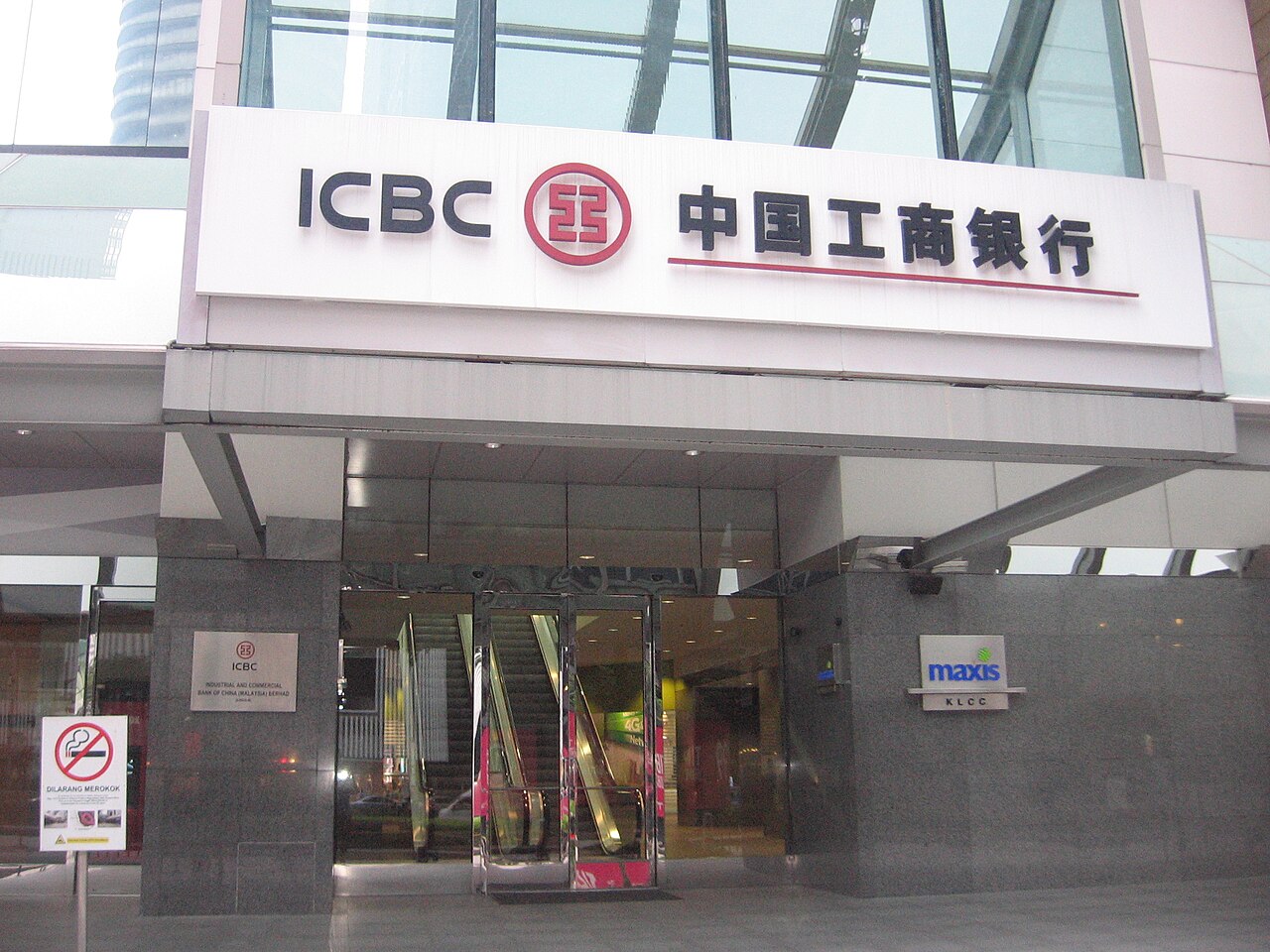
Singapore readers have a small claim on its story: ICBC’s first overseas branch opened there in 1993. A brand value up 34 per cent shows that scale, steadily presented, is itself a message.
8. China Mobile (US$47.7 billion)
China Mobile is the world’s largest mobile operator by subscribers, with more than 945 million as of mid-2021. For years it ran three customer brands: GoTone for premium contracts, M-Zone for young prepaid users and Easyown for basic rural service.
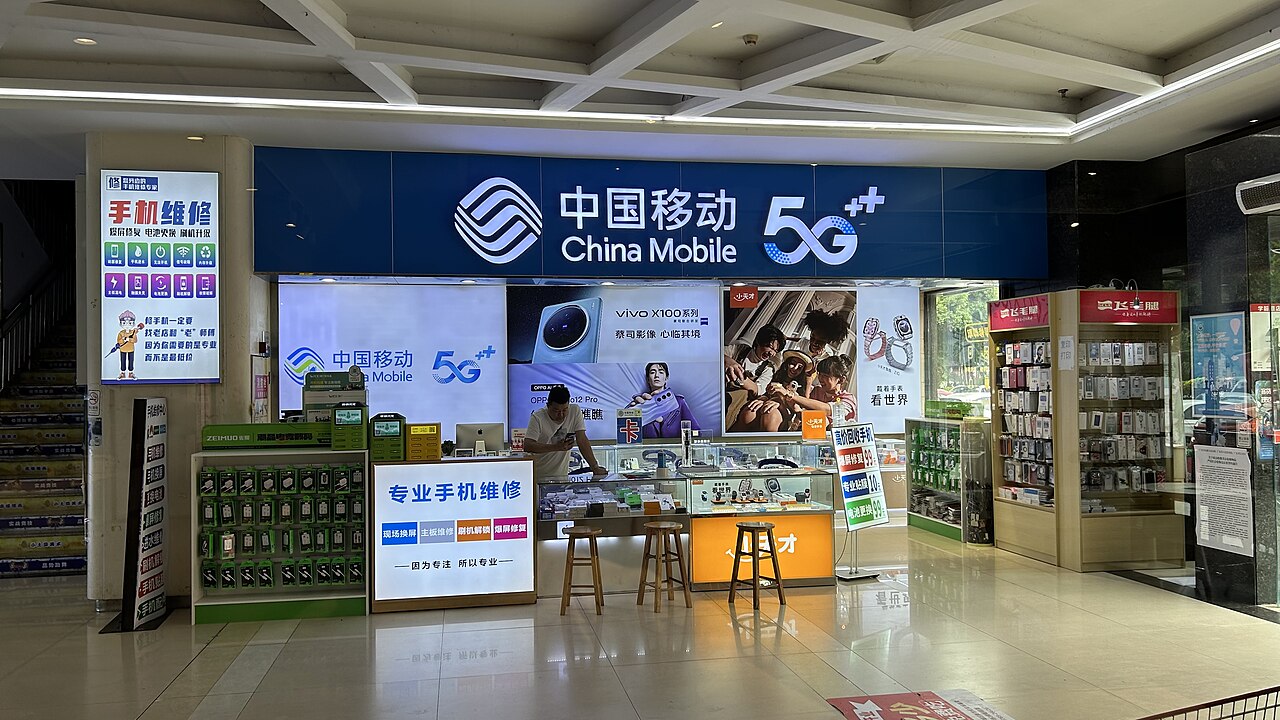
From 2013 it planned to fold them into a single brand, “and 和”, combining an exclamation mark, the Chinese character 和 (he, which can mean harmony) and the English word “and”. It is a neat piece of bilingual design, and folding three sub-brands into one is the kind of tidy-up many mature companies postpone for years.
Its New York delisting in 2021 has made little difference to a brand whose customers are overwhelmingly at home.
Insurance, and the quiet newcomer
9. Ping An (US$36.8 billion)
Ma Mingzhe founded Ping An in Shenzhen in 1988. The name means “safe and well”, about the most reassuring two syllables an insurer could ask for.
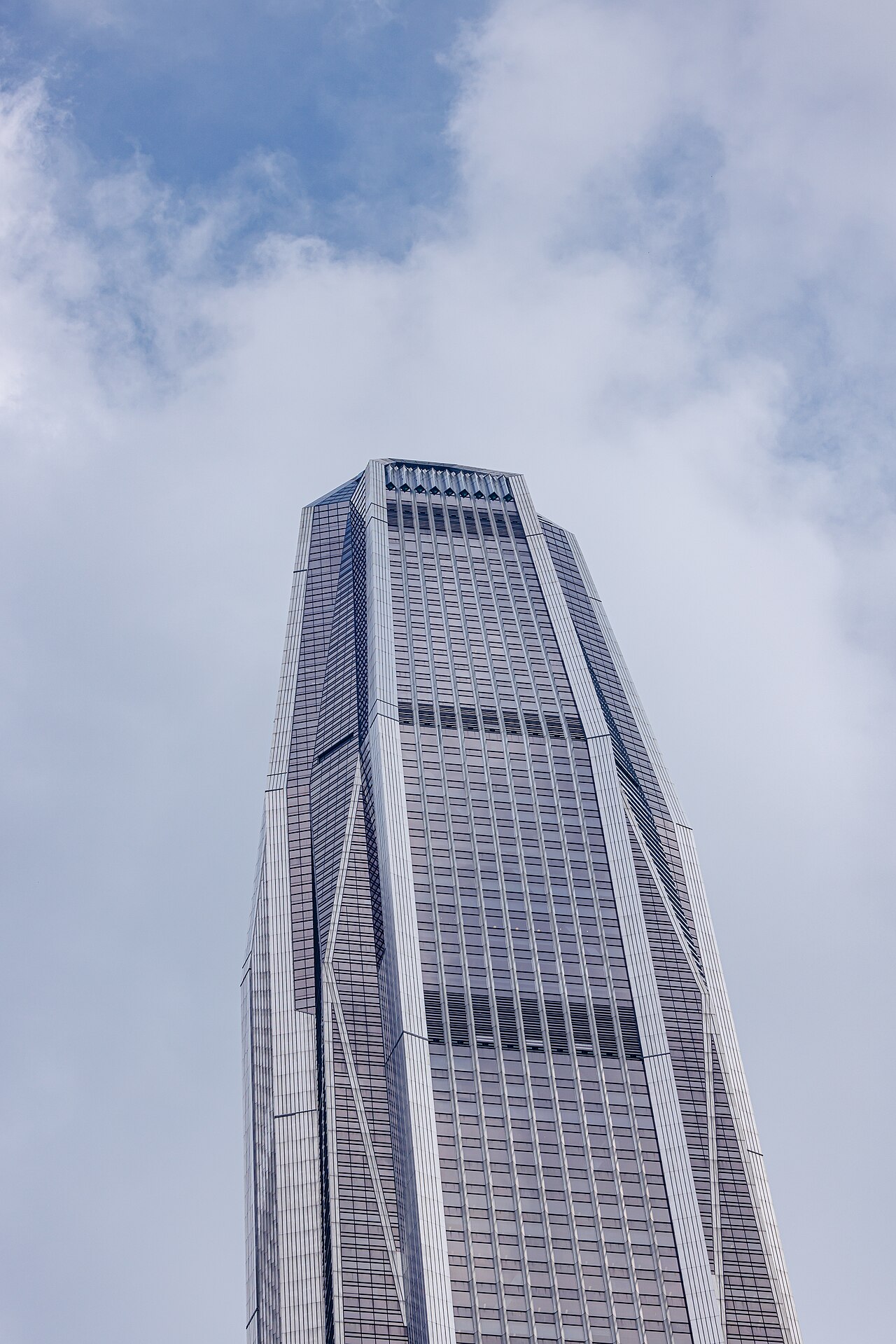
What makes Ping An unusual is how far it stretched that promise. It built or backed technology ventures such as Ping An Good Doctor, wealth platform Lufax and fintech provider OneConnect, and set up a venture fund in 2012. The brand moved from “we pay if something goes wrong” to “we look after your health and money every day”. Its value rose 24 per cent this year.
10. Agricultural Bank of China (US$36.8 billion)
The newcomer to the top ten, a whisker behind Ping An, replacing food-delivery platform Meituan, which held tenth place in 2025. Agricultural Bank of China traces its roots to 1951 and was re-established in 1979. It was the last of China’s “big four” banks to list, raising US$22.1 billion in 2010, a world record until Alibaba’s float four years later.
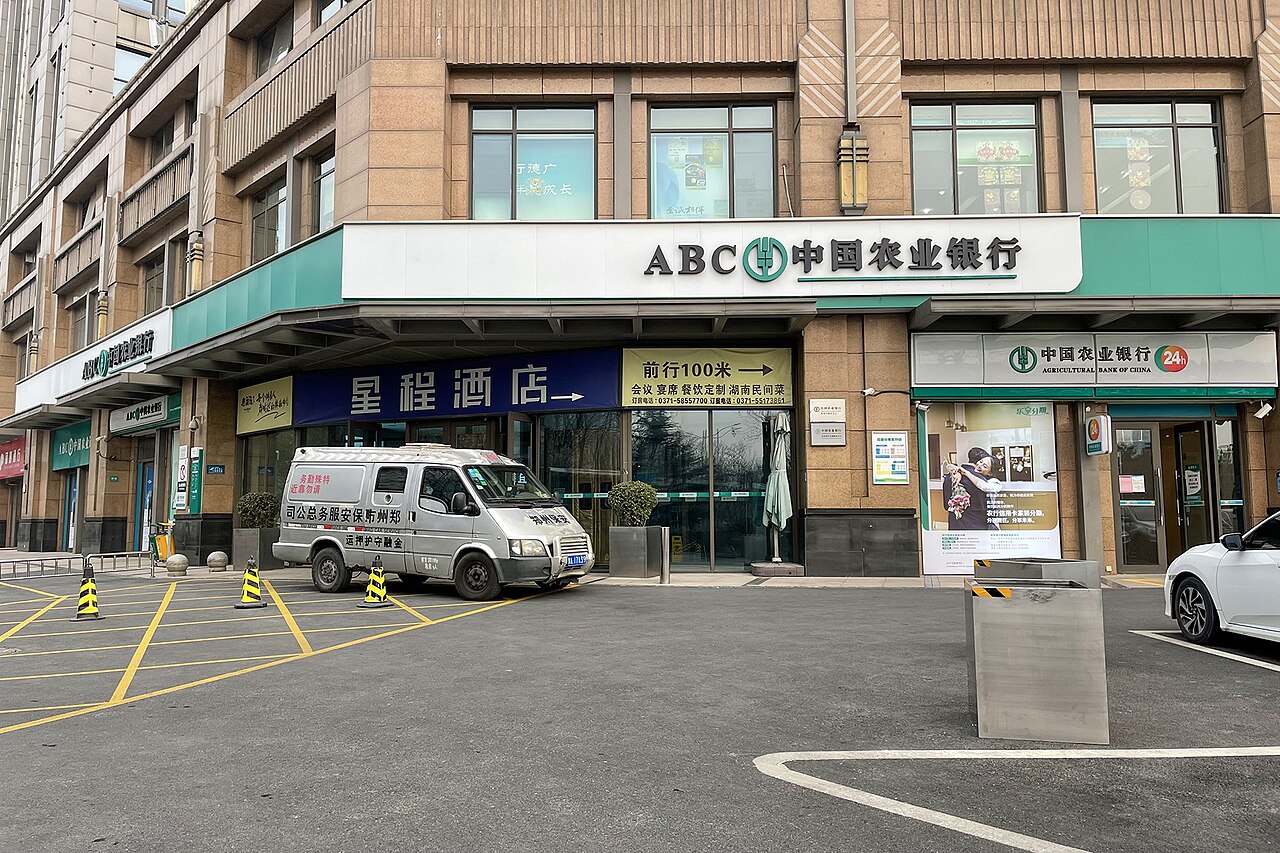
With nearly 24,000 branches and 320 million retail customers, its brand is built on presence. In a small town, the bank is often simply there, and being reliably there is a brand asset no campaign can buy. Its value grew 35 per cent, the fastest in the top ten.
What the table teaches
Read the ten together and several patterns stand out.
Names were chosen for meaning or memorability long before global ambitions arrived.
Alibaba picked a story the world already knew. Ping An picked a promise. Huawei picked national pride. Haier borrowed a German partner’s sound.
Product brands often outrank parents. WeChat and Douyin do the work while Tencent and ByteDance stay in the background, the reverse of the corporate-first model.
State ownership does not cancel branding. The banks, the telecoms operator and Moutai all present themselves as solid, national and permanent. In a fast-changing economy, permanence is a premium.
And upheaval, welcome or not, can add value. Huawei’s sanctions, Moutai’s pairing with a coffee chain and Alibaba’s restructuring all became chapters in stories that customers chose to follow.
For a Singapore SME, none of this needs a billion-dollar budget. Choose a name with a story you can tell in one sentence. Decide early whether the company name or the product name will do the talking. And when trouble comes, as it will, know in advance what story you will tell about it.
Before you file this away
What is the most valuable brand in China in 2026?
In the 2026 Kantar BrandZ Most Valuable Chinese Brands ranking, Tencent is first with a brand value of about US$209.9 billion, ahead of Alibaba at about US$112.5 billion.
Why do Douyin and TikTok have different names?
ByteDance launched Douyin in China in 2016 and created TikTok in 2017 as a separate app for international markets. The two look similar but operate separately.
Are China’s top brands mostly state-owned?
Moutai, ICBC and China Mobile are all majority-owned by the Chinese state, and Agricultural Bank of China is one of the country’s “big four” banks. The platform and technology leaders, such as Tencent, Alibaba and Huawei, are not state-owned companies.
Wondering what your own corporate name is really worth to customers? Talk to us about brand consulting.






