Somewhere this week a founder will sign off a positioning statement that nobody could possibly object to. It will promise quality, innovation and a customer-centric approach. It will be shown to a co-founder, a spouse, two colleagues and the investor who once worked at a bank, and everyone will nod.
That is how you know it is worthless.
Here is the definition the textbooks bury under diagrams.
Brand positioning is the deliberate choice of one idea you want a defined group of customers to connect with your brand, ahead of the alternatives they would otherwise pick, and the discipline to give up whatever competes with that idea.
Read the last clause again. Give up. Positioning is a subtraction exercise sold to people who love addition, which is why most companies do it badly and some refuse to do it at all.
Conventional wisdom says a brand should be liked. I think it should be chosen, and being chosen by the right people almost always means being rejected, sometimes loudly, by the wrong ones.
The campaign that failed its test
In 1962 Avis was the second-largest car rental company in the United States, a long way behind Hertz, and it had been losing money for more than a decade. Its agency, Doyle Dane Bernbach, proposed an idea no sensible marketing committee would approve: admit you are number two, and claim that this makes you try harder.
It tested miserably. Plenty of respondents disliked it. Bill Bernbach’s answer, in effect, was that the rest liked it, and they were the people Avis wanted.
The company ran it anyway, stopped losing money almost at once, and kept “We Try Harder” for half a century, until a 2012 rebrand replaced it with “It’s Your Space”.
Notice what Avis did not claim. Not the biggest. Not the cheapest.
It took the one thing everyone already knew about it, a weakness, and made it a reason to choose. People who wanted the market leader went to Hertz. Fine. They were never going to be Avis customers.
Modern marketing teams tend to file this story under clever copywriting. Wrong drawer. The line worked because it made a promise every rental desk then had to keep, and because it told the business exactly which customers to stop chasing.
Love it or hate it, literally
Thirty-four years later a British yeast spread went further. In 1996 the agency BMP DDB gave Marmite the line “You either love it or hate it”. The creative pair who wrote it were themselves split: one loved the stuff, the other could not stand it.
Instead of hiding the division, the brand made it the advertising. It ran a commercial for the haters alongside one for the lovers, and later sold jars reading “I hate” where the name should be. The phrase “like Marmite” has since slipped into ordinary British speech as shorthand for anything divisive. No focus group delivers that.
The lesson most people draw is that polarisation is clever. The better lesson is that it was honest. Marmite really does divide people.
A brand that manufactures controversy it has not earned looks desperate. One that admits a split its customers already feel looks confident.
There is a limit, and South Africa’s Nando’s has found it more than once. The chicken chain, founded in Rosettenville, Johannesburg, in 1987, built a reputation on satirical advertising aimed at politicians. In 2009 an advert featuring a puppet that resembled Julius Malema drew a legal challenge from his lawyers and had to be altered.
In 2011 a spoof showing Robert Mugabe alone at Christmas, missing his fellow dictators, was withdrawn after a youth group in Zimbabwe threatened the chain’s staff there.
Being disliked by the right people is a strategy. Being disliked by people who can hurt your employees is a risk register. Choose your enemies with your eyes open.
Can a small business really afford to turn customers away?
This question ends most positioning workshops, usually from whoever signs the cheques. It sounds prudent. It is the most expensive question in marketing.
Picture a café in Toa Payoh that sells good bread, decent cakes, passable coffee and lunchtime sandwiches. It is fine at everything. Customers who want serious sourdough cross the road to the shop that sells nothing else, and those who want cheap coffee go to the kopitiam.
Nobody’s first choice for anything, the café competes with discount vouchers until the margin is gone.
Jollibee shows the opposite logic at national scale. Tony Tan Caktiong opened two ice-cream parlours in Cubao in 1975; by 1978 the business had become Jollibee, selling burgers and fried chicken. Facing McDonald’s, its management concluded that the American chain was ahead on every count but one: taste.
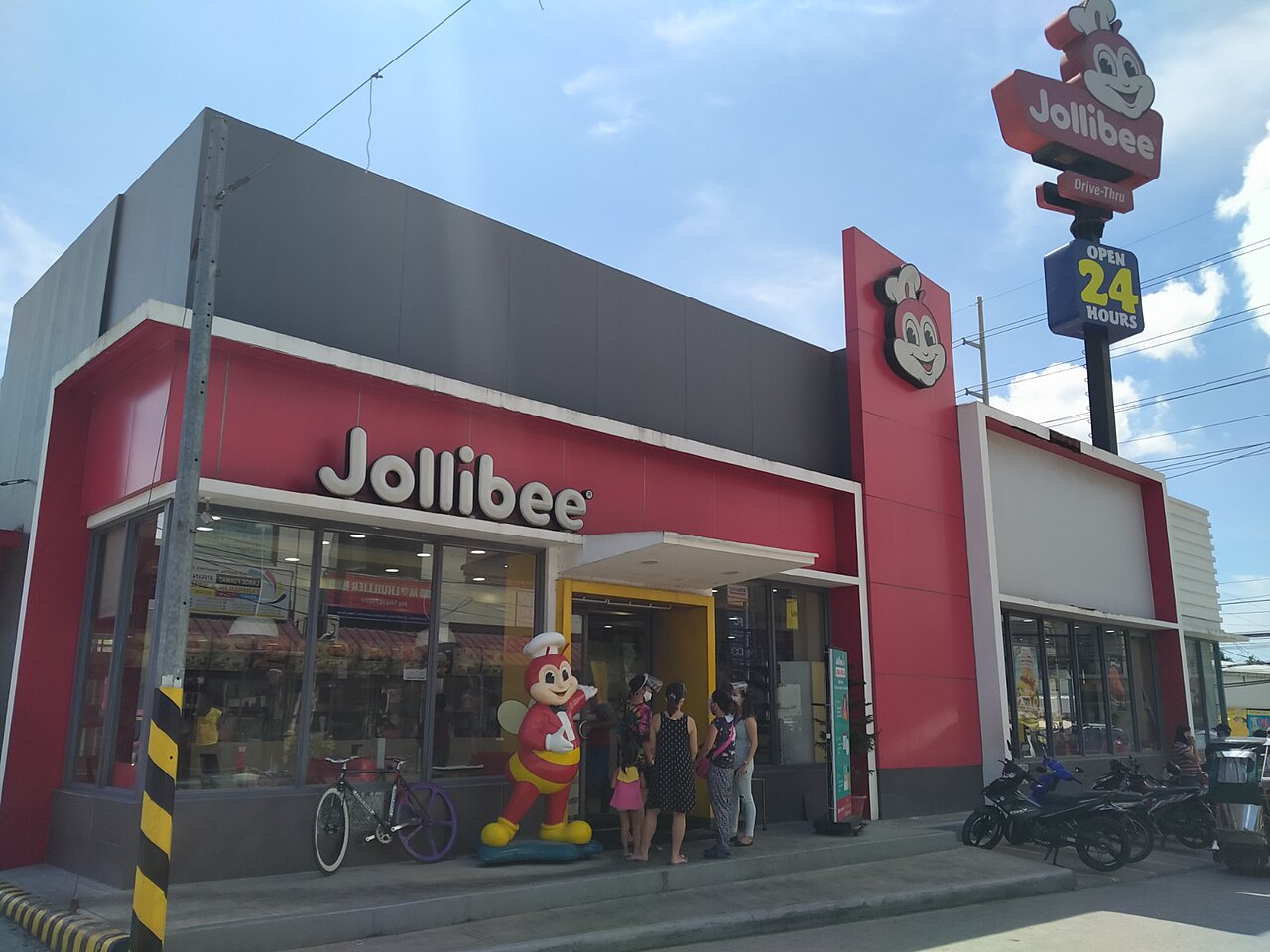
So Jollibee bet the company on the Filipino palate. Its spaghetti comes in a sweet red sauce with slices of hot dog. To anyone raised on Italian pasta it sounds like a dare.
Those people were never the customer. Jollibee holds roughly half of the Philippines’ chicken-and-burger market, with McDonald’s below a third, and it got there partly by ringing McDonald’s large restaurants with clusters of its own smaller ones. The brand that refused to please the global palate beat the world’s most famous burger chain on home turf.
Turning away the wrong customers is not a luxury for big companies. It is the cheapest focus a small one can buy.
A position you have not paid for is a slogan
Here is the test I would apply to any positioning statement: what has it cost you? If the answer is nothing, you have written an advertisement.
Volvo has paid for safety repeatedly. In 1959 it introduced the three-point seat belt designed by its engineer Nils Bohlin, then shared the patent with rival manufacturers rather than keeping the belt as an advantage. Sixty years later, in 2019, the company announced that its new cars from 2020 would be limited to a top speed of 180 km/h.
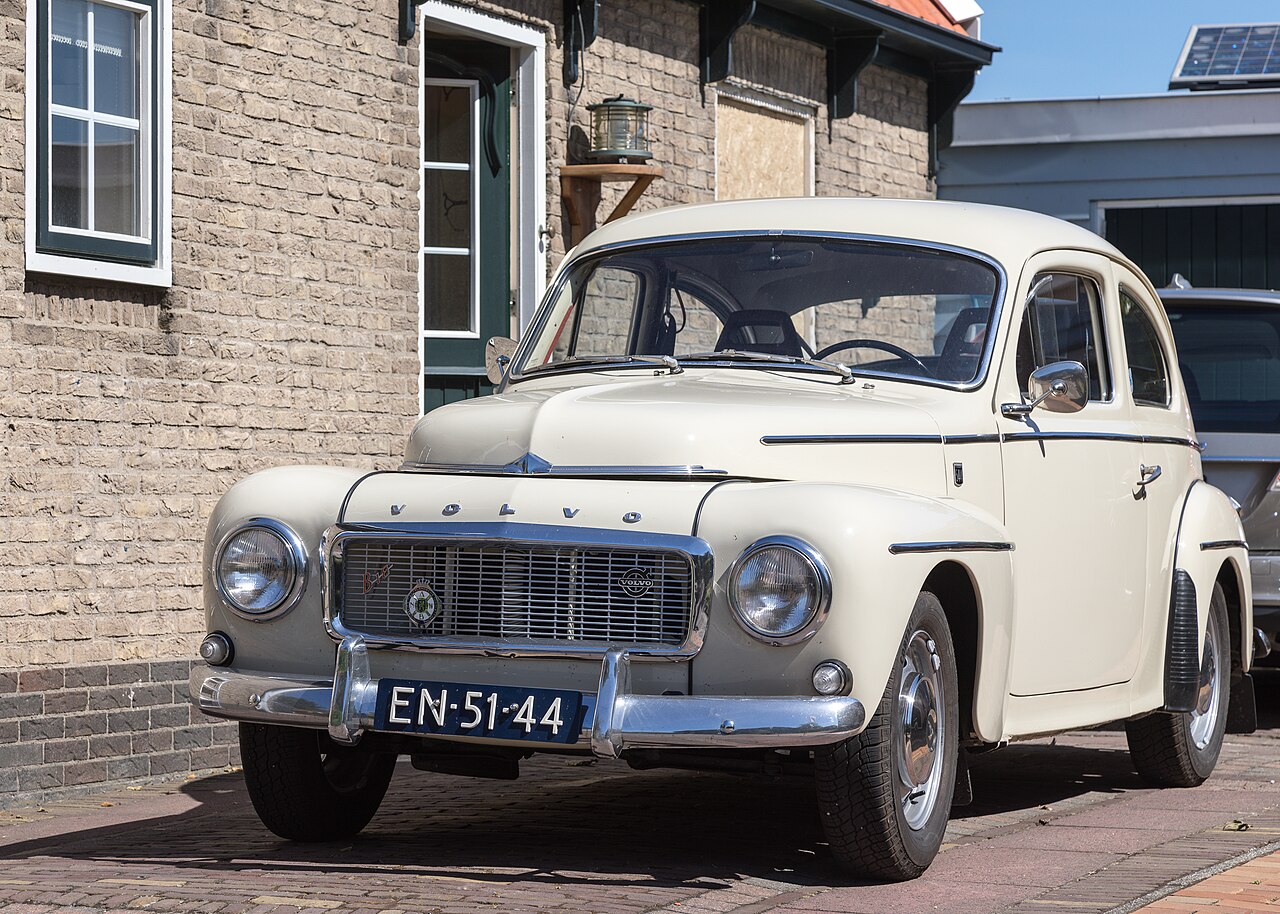
Think about what that second decision does. It tells every buyer who wants a fast car to go elsewhere. It is a position stated as a refusal.
Xiaomi did something similar with money. In April 2018, with a stock market listing widely expected, its co-founder Lei Jun pledged that the company’s after-tax net margin on hardware would never exceed five per cent, and that any excess would be returned to users.
Whatever you think of the economics, the message was unmistakable. Honest pricing was the position, and it had just become a promise customers could hold the company to.
Yakult has paid in patience. The drink launched in Fukuoka in 1935, built on a bacterial strain its founder, Minoru Shirota, had cultured a few years earlier.
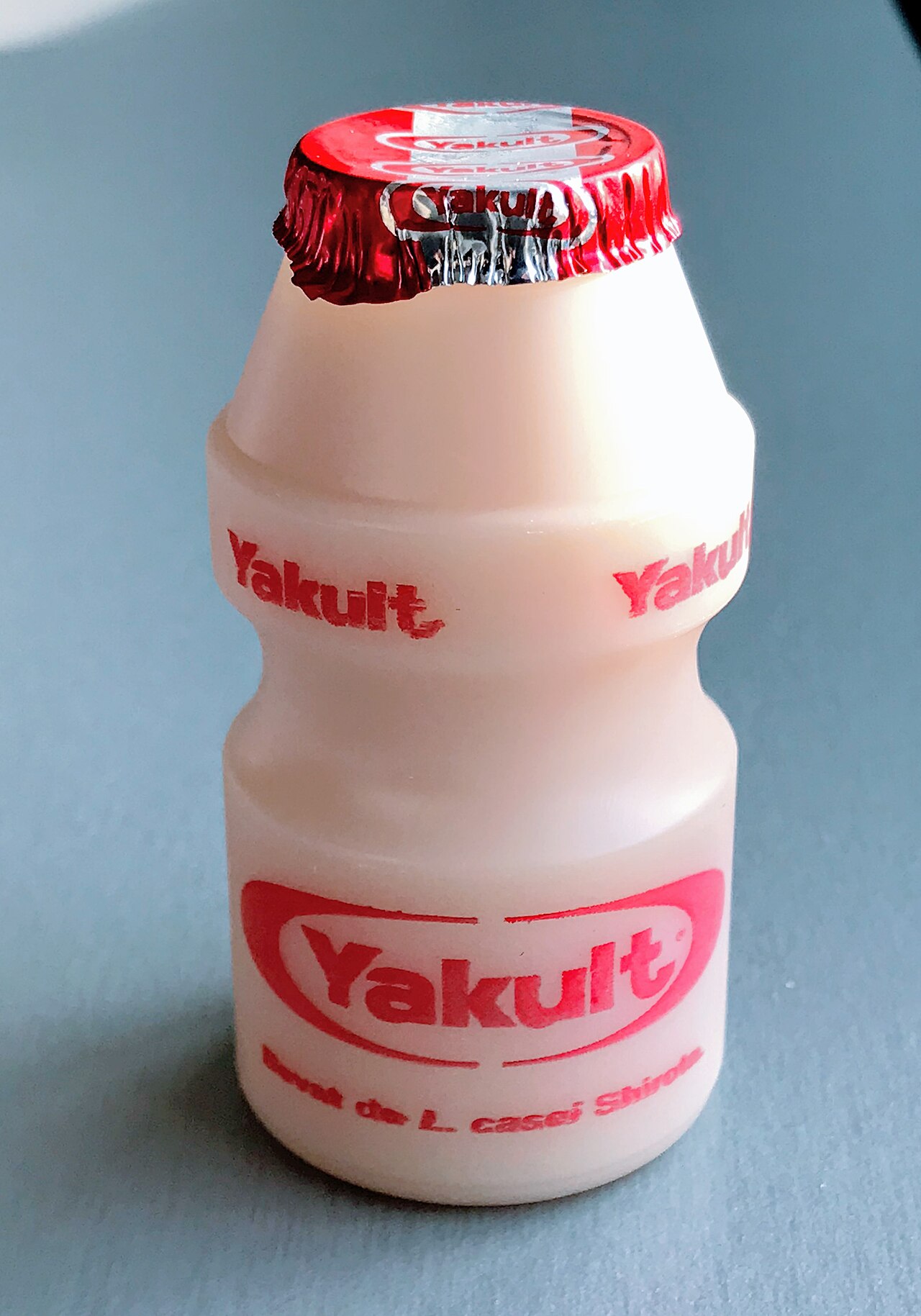
The company now sells yogurts and other drinks, yet its public face has barely moved: a 65ml bottle, an argument about gut health and, since 1963, the uniformed Yakult Ladies who deliver it. Nine decades on one idea. Most brands cannot hold a position for one product cycle.
What happens when a brand trades its position for the average?
Southwest Airlines is running that experiment now, in public.
For decades Southwest was the airline that let your bags fly free and let you sit wherever you liked. Its executives had long described free bags as the thing that separated it from budget rivals. Then the activist investor Elliott won board seats in late 2024, and the pressure for revenue arrived.
From 28 May 2025, Southwest charged for checked bags on new bookings. On 27 January 2026, for the first time in more than half a century, its passengers took assigned seats, much as they would on American, Delta or United.
The airline’s own earlier analysis had estimated that bag fees would raise about $1.5 billion a year while costing around $1.8 billion in lost business from customers who flew Southwest for its baggage allowance. It went ahead anyway.
Southwest says the changes have already lifted profits, and defenders will wave those numbers about. Positions do not collapse in a quarter. They erode, one traveller at a time, as people stop finding a reason to check Southwest first.
7UP offers the long view. In 1968 it recast itself as the Uncola, the alternative to Coke and Pepsi, with a countercultural swagger and psychedelic billboards that people wanted on their bedroom walls. Brilliant.
It also defined the brand entirely by what it was not. Through the 1970s it lost ground as Sprite grew, and in 1998 the Uncola line was dropped. A position built only on opposition needs a positive reason underneath, or the opposition gets crowded.
Isn’t differentiation overrated anyway?
The smartest objection to all of this comes from marketing science, not from nervous founders. Large surveys across many categories show that most buyers do not see the brand they buy as especially different from its rivals, and buy it anyway. On this view, being easy to notice and easy to find matters more than being unique.
The sceptics are right about customers. They are wrong if they conclude positioning is pointless.
Customers do not need to recite your position. Your company does.
Volvo’s engineers needed to know safety came first before anyone could cap the speed. Jollibee’s kitchens needed to know whose palate they were cooking for. Distinctive assets tell people which brand they are looking at; positioning tells the business what to do on Monday morning.
So keep the logo and the colour consistent. The evidence for that is strong. Just do not mistake being recognisable for giving anyone a reason to choose you.
A distinctive brand with no position is a familiar face with nothing to say. A positioned brand nobody can recognise is a good argument made in an empty room. You need both.
How do you write a positioning statement people won’t ignore?
Most founders who ask this have already tried a template, found it clunky and confused the result with their mission statement. The fix is fewer words, not more.
Start with the customer you would most hate to lose, not the widest market you could sell to. Name what they would do if you did not exist, which may be a competitor, a spreadsheet or nothing at all. Write the single reason they choose you instead, in their words rather than yours.
Then add the line most statements leave out: who will dislike this, and why you are comfortable with that. If that line is empty, start again.
A Singapore accounting firm that serves “SMEs across all industries” has not positioned itself. One that serves food and beverage operators with five to twenty outlets, and is content to lose the tech start-ups, has. The second firm will win fewer pitches. It will win more of the ones that matter.
Finally, test the statement inside the business before anyone outside sees it. Does it change who you hire, what you build, what you charge and which leads you chase? If not, it is decoration.
Answers for the doubters
What is the difference between brand positioning and brand strategy?
Brand strategy is the wider plan for how a brand creates value, covering audience, personality, architecture and growth. Positioning is its sharpest part: the single idea the brand aims to own in customers’ minds relative to the alternatives.
Can a brand change its positioning?
Yes, but slowly and at a cost, because the old position lives in customers’ memories long after the advertising stops. Repositioning works best when the business genuinely changes first and the message follows.
Is niche positioning risky for a small business?
Less risky than having no position at all. A narrow position makes a small budget work harder, because the effort lands on the people most likely to buy, and a business can widen its focus once it owns its first niche.
If your positioning has never made anyone in the room uncomfortable, it may be time to rethink your brand strategy.






