Marketing listicles have a favourite exhibit, and they pass it around like a family photograph: a frozen-dinner box with a toothpaste logo on the front. Colgate Kitchen Entrées beef lasagne, launched in 1982 and dead on arrival. It gets a laugh every time.
One problem. The lasagne almost certainly never existed. Colgate has denied it, nobody has produced an original box, and the one displayed in a Swedish museum of failed products is a reconstruction. What did exist was duller: in 1964 Colgate test-marketed a short-lived range of dried chicken and crabmeat entrées under a “Colgate Kitchen” label in Madison, Wisconsin, then withdrew them.
Brand extension is the use of an established brand name to launch a new product, either a variant in its own category (a line extension) or something in a different category (a category extension), hoping the name’s meaning and trust will travel with it.
The lasagne myth survives because it feels true. Nobody needs evidence to believe a toothpaste brand would ruin dinner. The brain supplies the taste of mint and recoils.
That reflex, the instant “no”, decides whether an extension sells or ends up as a punchline.
Line, category or licence: what counts as brand extension?
The tamest form is the line extension: same category, new variant. Kit Kat in Japan is the master of the genre. Since the early 2000s Nestlé has sold hundreds of limited-edition flavours there, wasabi and soy sauce among them.
It helps that the name sounds like kitto katsu, roughly “surely win”, which has made the bar a popular good-luck gift. A new flavour asks very little of the customer. It is still a Kit Kat.
The bolder form is the category extension, where the same name lands on a different kind of product. Yamaha began making reed organs in Hamamatsu in 1887. Its logo is still three interlocking tuning forks, yet the name now appears on pianos, audio equipment, sporting goods and, through a separate company spun off in 1955, motorcycles.
The third form is licensing, in which the brand owner rents its name to someone else who makes the product. Caterpillar does not make boots. Wolverine World Wide has made Cat footwear under licence since 1994, and plenty of those boots have walked city pavements on people who will never sit in an excavator.
Each form carries a different bet. Line extensions risk clutter and cannibalisation. Category extensions risk confusion. Licensing risks what licensing always risks: somebody else is holding your reputation, and they are paid by the unit.
Why do brand extensions fail so often?
Because a famous name buys attention. Not survival. In American packaged goods, roughly seven in ten new products carry an existing brand name. Only around three in ten of those extensions are still on the shelf two years later, which is about the same odds a brand-new name faces.
The name gets you a trial. The product, and its fit, decide the rest.
Fit and parent strength also work together rather than separately. A well-loved parent can carry a loosely fitting product a short distance, and a snug fit can help a modest brand, but the reliable winners have both. Strength without fit is a celebrity endorsing something they have clearly never used.
The failures cluster around four questions, each answered by a customer in less time than it takes to read the label.
Does it fit? Does the brand have permission? Is it too easy to make? Will it damage the parent?
Test one: does it pass the taste test?
Fit is the first filter, and the one brand owners grade themselves on most generously. Colgate’s problem, myth or not, is obvious. A toothpaste brand lives in the mouth, and its strongest association is a minty, clinical clean. Food is the one category it can never enter, because its core meaning tastes wrong with everything.
Harley-Davidson learnt a subtler version of the lesson in the mid-1990s. Alongside the clothing riders happily wore, the name turned up on a fragrance line called Hot Road, on party drinks, infant clothes and Christmas ornaments.
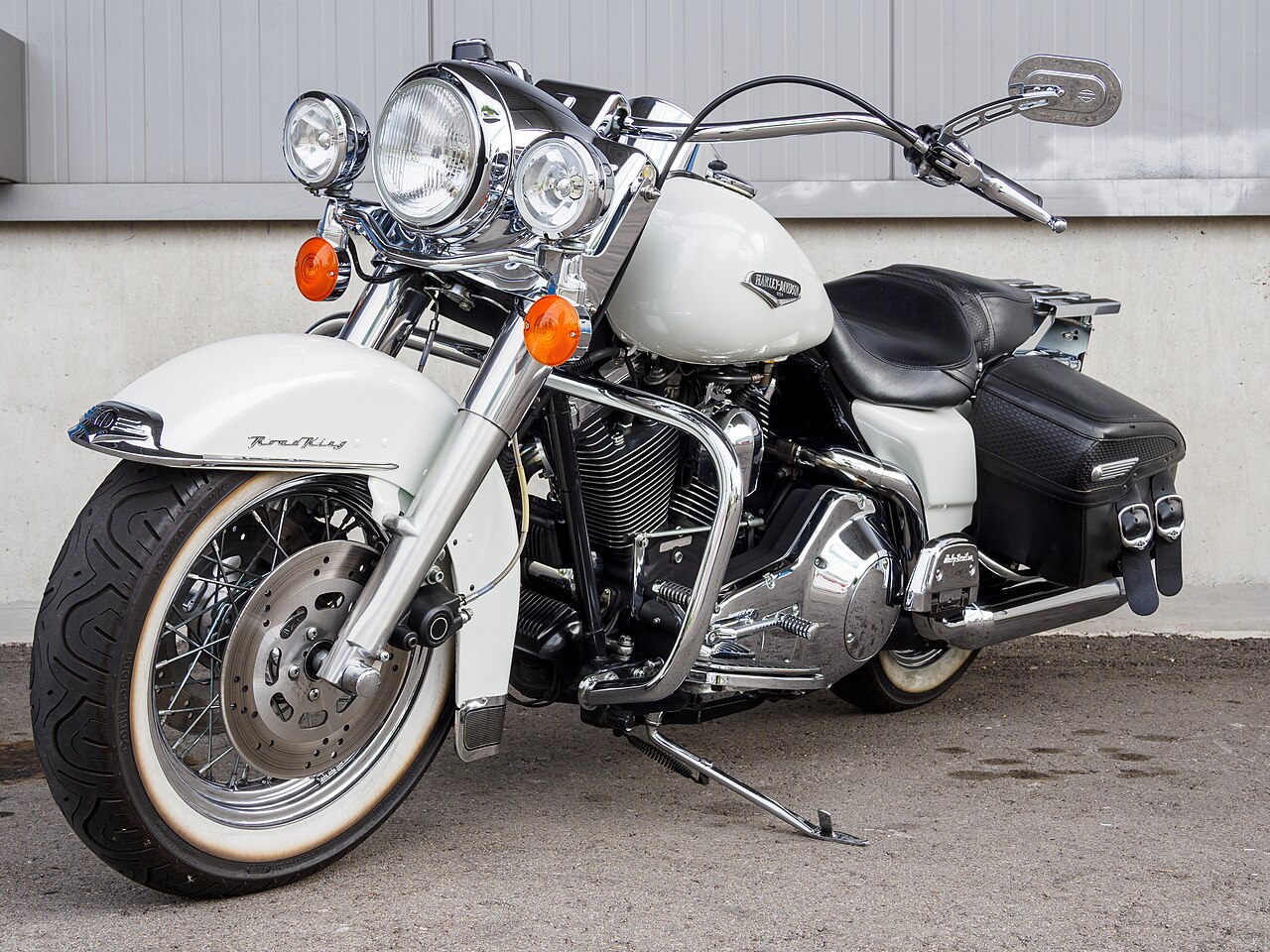
The scents did not fail because they smelled bad. They failed because Harley’s meaning is earned on the road, and a bottle of cologne lets anybody buy a share of it at a counter. Loyal riders accused the company of turning the brand into a theme-park souvenir, and the scents were quietly dropped.
Then there is Cosmopolitan yogurt. In 1999 the magazine’s British publisher teamed up with the dairy group MD Foods to put the Cosmo name on low-fat yogurts, fromage frais and soft cheeses aimed at women aged 15 to 44. By early 2001 the range had been scrapped after falling sales.
Fit, it turns out, is not one thing. Shared product features and a shared brand image count for more than a shared usage occasion. That people eat yogurt while reading magazines does not make a magazine a dairy brand.
Test two: does the brand have permission?
Permission is what customers believe you are good at, which is rarely the same as what you are brave enough to try.
Bic is a fine illustration. The name stands for cheap, reliable, disposable plastic: pens, lighters, razors. All three categories reward exactly that promise.
In 1989 Bic introduced pocket-sized perfume spritzers, in a category where the customer pays for the opposite of cheap and disposable. They were withdrawn in 1991. The perfume may have been perfectly pleasant. The permission was never there.
Premium brands hit the same wall from the other side. Stretching a luxury name down into the value aisle quietly insults existing customers: it asks them to accept that the thing they paid for was never that special. A cheaper line usually needs its own name and some deliberate distance from the parent.
Service brands should be warier still. When what you sell is intangible, the parent’s reputation does most of the persuading, so an extension that borrows it carelessly spends trust you cannot easily rebuild.
Test three: is it too easy to make?
This is the test most people skip. Customers judge an extension more harshly when it looks trivially easy to produce, because the obvious next question is: then what am I paying the brand for?
Virgin Cola is the textbook case. It launched in Britain in 1994, made in partnership with Cott, a bottler best known for supermarket own-label drinks. When it reached America in 1998, Richard Branson drove a tank into Times Square.
The stunt was magnificent. The American business closed in 2001 with about half a percent of volume share. The last big British supermarket stockist dropped the drink in 2009, and the final licensee stopped production in 2014. Branson later conceded the cola was not much different from its rivals.
That is the trap in a sentence. When anyone can make the product, the brand is the only difference, and a brand that means “cheeky challenger” does not make cola taste better.
Test four: will the extension bite back?
The damage from a bad extension rarely stays with the extension. It runs backwards into the parent.
Pierre Cardin is the cautionary tale every luxury house studies. His perfumes and cosmetics in the 1960s worked well. Then the licences multiplied, and by the end of the 1970s his name appeared on more than 2,000 products, later including baseball caps and cigarettes.
The royalties kept coming. The cachet did not. When Cardin tried to sell the business in 2011 for €1 billion, outside estimates valued it at roughly a fifth of that, and he kept it.
The real error came early. The fragrance success was read as proof that the name could go anywhere, when it only proved that perfume suits a couturier.
Dilution is slow, which is what makes it dangerous. No single licence kills a brand. The thousandth simply finishes what the first few started.
When stretching works, what do the winners carry across?
Look closely at the extensions that succeed and a pattern appears. They carry a benefit or a competence across the border. Not a logo.
Tiger Balm is the Singapore example worth studying. The Aw brothers moved the business from Rangoon to Singapore in 1926, and for decades the range was essentially a jar of red or white ointment. Since 1993, when a disposable plaster arrived, Haw Par has added a sports range called Tiger Balm Active, mosquito-repellent patches and a neck and shoulder rub pitched at people hunched over their phones.
Tiger Balm’s own film traces the ointment from a Rangoon jar to a global range.
Every one is the same promise, relief applied to the skin, in a new format. A wry footnote: in 1949 Aw Boon Haw also founded a Hong Kong newspaper called the Tiger Standard. Today it is simply The Standard. Minus the tiger.
Tiger Balm Active: the same promise of relief, in a muscle spray.
M-Pesa shows the same logic in Kenya. Launched commercially in 2007 as a way to send money by phone, it later added savings and loans. In January 2019 Safaricom introduced Fuliza, an overdraft that lets customers complete a payment when their balance falls short.
The fit is behavioural. The credit appears at the precise moment of need, inside a habit millions already trust.
Dove Men+Care, launched in the United States in 2010 with a Super Bowl advertisement, kept the benefit (care, not toughness) and changed the audience. The plus sign did quiet work, signalling a separate shelf rather than his partner’s shower gel in disguise.
Yamaha’s motorcycles grew out of wartime machinery and metallurgical know-how, put to peacetime use. A shared competence, not a shared look. Caterpillar’s licensed boots succeed for a similar reason: they sell the one thing the parent already stands for, which is not breaking.
Should you launch it under your existing brand?
This is the question small business owners ask most, usually with two worries pulling in opposite directions. Running a second brand doubles the marketing work. Putting everything under one name risks muddying the first.
Picture a Tampines bakery famous for its kaya. Bottling the kaya for supermarkets is a line extension, and the existing name belongs on every jar. Opening a café is a category stretch with obvious fit.
A skincare range made with coconut and pandan is another matter. Put the bakery’s name on it and customers will wonder whether their face cream smells of breakfast. The Colgate problem, in reverse.
A workable rule of thumb:
- If the new product sells for the same reason people buy you now, use the name.
- If it needs a different reason to buy, give it its own name, and add an endorsement (“by” the parent) only where the parent adds trust.
- If anyone could make the product, decide what your name adds beyond a higher price.
- If it fails publicly, make sure the parent can survive the headline.
The last point is the one founders resist. Run the pre-mortem anyway: write the unkind article about the failed launch before you approve it, and see whose name is in the first paragraph.
Before you sign the licence
What is the difference between a line extension and a brand extension?
A line extension adds a variant within the same category, such as a new flavour or size. A category extension takes the brand into a different product type, and both sit under the broader heading of brand extension.
Did Colgate really sell frozen lasagne?
There is no reliable evidence that it did, and Colgate has denied it. The company did test a short-lived range of dried chicken and crabmeat entrées under a Colgate Kitchen label in the 1960s.
What is brand dilution?
Brand dilution is the weakening of what a brand name means, usually caused by attaching it to too many products or to products that clash with its core promise. It tends to happen slowly, through licensing and poorly fitting extensions.
If your name is about to go somewhere it has never been, pressure-test the stretch with a brand strategy team first.






