Stand by the coffee machine at three in the afternoon and listen for ten minutes. You will learn more about the company’s brand there than from its website.
Someone is grumbling that the new customer-first campaign launched the same week support lost two people. Someone else is telling a new hire which rules are real and which are wall art. That conversation is your brand’s first draft. Customers only ever read the edited version.
Internal branding is the deliberate work of helping employees understand, believe and act on what the brand promises, so that customers meet the same company whichever person, branch or channel happens to serve them.
Look at the verbs. Understanding is the easy one. Belief takes longer. Action is where most programmes quietly stall, and it is where this guide spends most of its time.
The poster and the pantry
You have seen the poster. Four values in a confident sans-serif, framed in reception: integrity, excellence, teamwork, innovation. People walk past it so often they no longer see it.
Ask employees privately what they make of such posters and the answer barely varies. The real values are the unwritten ones: whatever gets someone promoted, whatever gets someone shouted at, whatever the boss does when a big client threatens to leave. New hires who read the poster rather than the room learn this the hard way.
That gives you the first rule. Staff learn the brand from evidence, not announcements. Every promotion, budget cut and quiet exception is a message, and each one is more persuasive than a town hall.
So before you design anything, audit the evidence. List the last five people promoted and write down what each was really rewarded for. Trace the last ten customer complaints to the internal decisions that caused them.
If the evidence and the poster disagree, your people will believe the evidence. Eventually, so will your customers.
Is internal branding the same as employer branding?
No, though the two are constantly confused, and the difference matters when you set budgets. Employer branding faces outward, towards candidates: why should a good engineer or nurse choose to work here? Internal branding faces the people already inside: what do we promise customers, and what does that mean for how I do my job on a Tuesday afternoon?
They feed each other. A strong employer brand attracts people who already half-believe in what you do, which makes the internal work easier. A strong internal brand produces employees who tell their friends the truth about working there, which is the only employer branding that lasts.
Run only the outward project and you will spend money hiring people into a promise nobody inside is keeping.
Design the first day like a first purchase
The cheapest moment to shape how someone sees your brand is their first day. They are paying close attention, they have not yet learned the shortcuts, and they are hunting for clues about what really matters.
Disney understood this early. As Disneyland was being prepared in the mid-1950s, Walt Disney hired a trainer called Van France to build the orientation and training process that became Disney University. Park employees are cast members, and on their first day they attend a class called Traditions, which covers the company’s heritage and values and is where they first see backstage.
France worked from one principle: what happens backstage ends up on stage. The way staff treat each other out of sight becomes the way they treat guests.
That idea should reshape your onboarding. If a new hire’s first day is a laptop that will not log in, an absent manager and a compliance video, you have just taught them what the brand truly values. No later workshop fully undoes it.
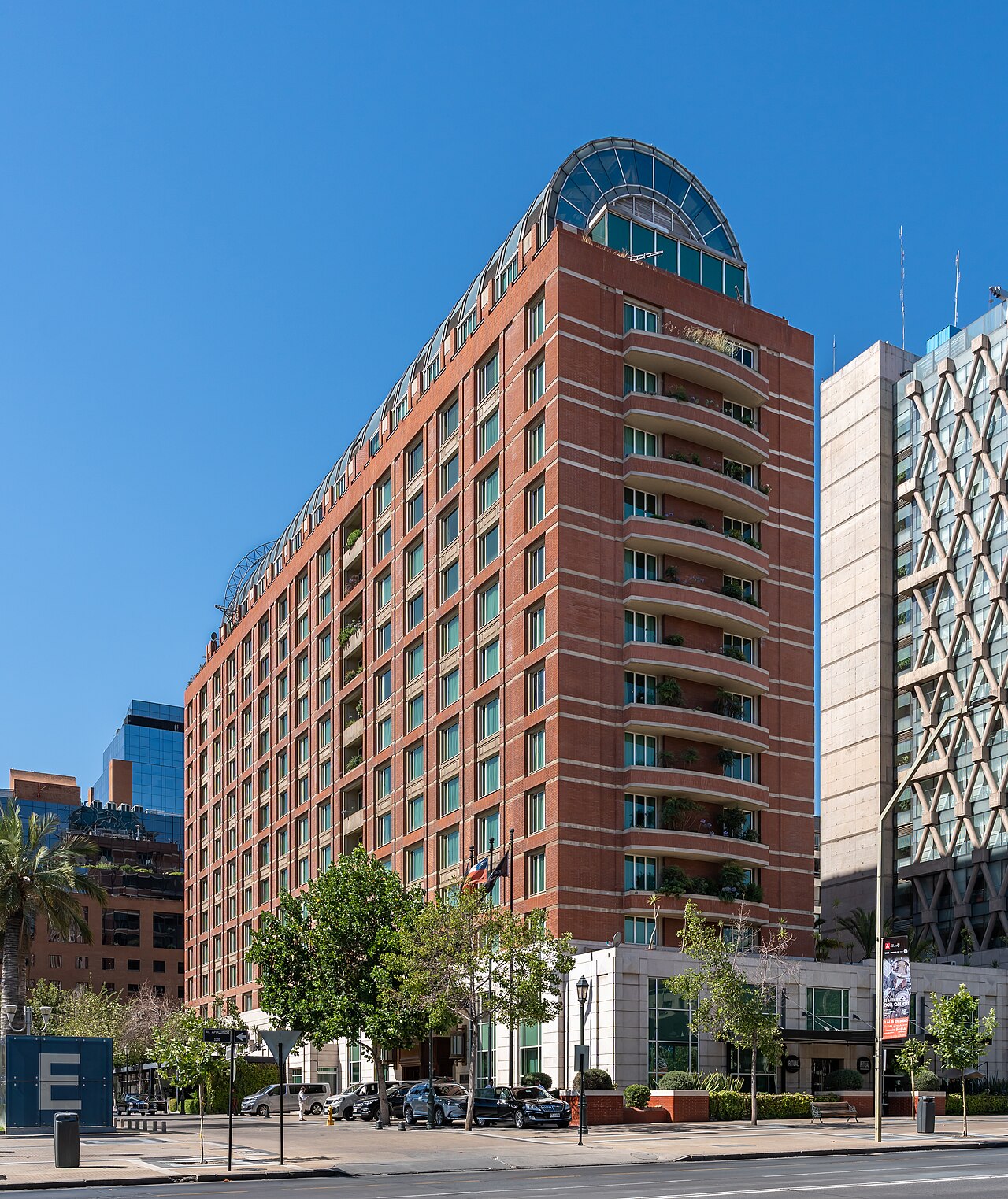
The Ritz-Carlton goes further than most. Every employee receives a wallet-sized card of the company’s Gold Standards, which include its credo, its motto and a promise to employees, and first-year front-line staff receive around 250 hours of training. The motto, coined by Horst Schulze, describes staff as ladies and gentlemen serving ladies and gentlemen. It is a brand statement aimed first at the people who deliver it.
You do not need 250 hours. You do need the first week designed with the care you would give a customer’s first purchase.
Rituals beat campaigns
Internal launches tend to be campaigns: a reveal event, new lanyards, a video from the chief executive. Energy peaks on the day. Six months later the lanyards are in a drawer.
Rituals work the other way round. They are small, repetitive, even boring, and they compound.
At the Ritz-Carlton every shift opens with a briefing of five to ten minutes in which the Gold Standards are reinforced. Do the arithmetic for your own team. Ten minutes a shift adds up to dozens of hours a year of the brand discussed in the context of real work. No campaign buys that much attention.
Toyota built a different ritual into its factory floors. Its andon system lets a production worker pull a cord or press a button to call for help when they spot a defect, and if the problem cannot be fixed quickly, the line stops.
Consider what that teaches. Quality is not a slogan from head office. It is something the most junior person on the line is trusted to defend, at real cost.
Southwest Airlines has long let its cabin crew turn routine announcements into comedy. It sounds trivial. It is not.
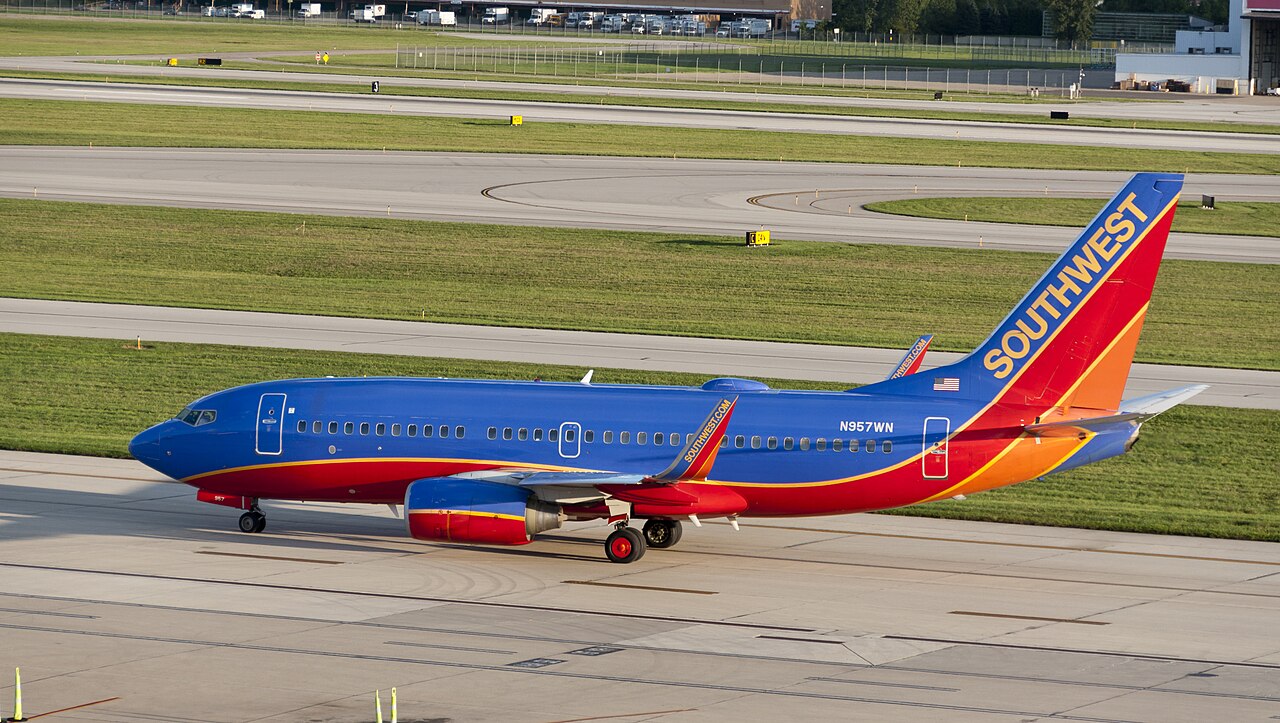
Every joke over the intercom tells passengers what kind of airline this is, and tells crew that personality is part of the job rather than a risk to be managed. The airline hires for it, too, looking for a servant’s heart, a warrior spirit and a fun-loving attitude.
Your rituals can be modest. A Monday stand-up that opens with one customer story. A monthly hour when the finance team answers the phones. What matters is that it repeats and ties the brand to real work.
Give permission, not only instructions
This is where internal branding stops being communications and becomes management. You can explain the brand perfectly and still fail, because people understand it and are not allowed to act on it.
The Ritz-Carlton’s best-known policy lets any employee spend up to US$2,000 to put a guest’s problem right on the spot. The figure matters less than the signal. A housekeeper is trusted with a decision that, in many companies, would need a manager and a form.
Haidilao, the hotpot chain Zhang Yong co-founded with four tables in Jianyang, Sichuan, in 1994, built its name on service that starts before the food arrives: snacks and drinks in the waiting area, nail care in some branches, aprons, phone pouches and hair clips at the table.
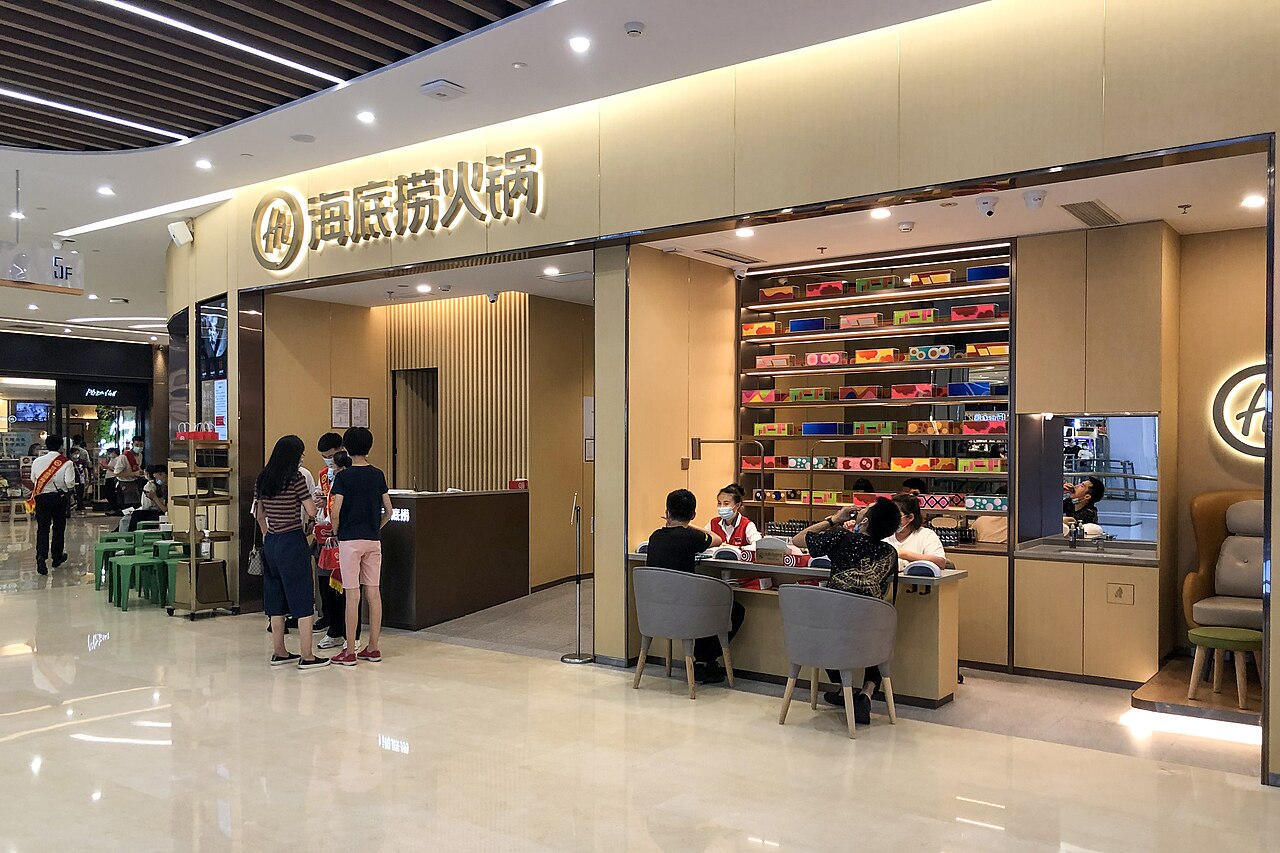
By 2010 it had opened its own school for restaurant managers, because the brand depended on people who could run a branch the Haidilao way. When it opened its first restaurant outside mainland China, at Clarke Quay in Singapore in 2012, it was exporting that system as much as a menu.
The hardest test of permission came in Mumbai on 26 November 2008, when terrorists attacked the Taj Mahal Palace hotel. Staff serving a private dinner, led by a 24-year-old banquet manager, Mallika Jagad, put guests’ safety ahead of their own. Across the hotel, some employees died doing the same.
That behaviour did not appear from nowhere. The Taj group had long hired for integrity and a sense of duty as much as for skill, trained people to put the guest ahead of the company, and rewarded them chiefly with recognition from guests and colleagues.
Nobody should design a brand around a tragedy. But it shows something uncomfortable. Under pressure, people do not reach for the brand book. They do what they were hired, trained and rewarded to do.
Managers are the real channel
Most internal branding budgets go on materials: videos, intranets, toolkits. Most internal branding actually travels through line managers. People believe what their manager does far more than anything the company says.
That is why the clearest internal brand moments are leadership decisions with a cost attached. In 2008, shortly after Howard Schultz returned as chief executive, Starbucks temporarily closed all its US stores to retrain staff in making espresso. The lost sales bought a message no memo could carry.
At DBS in Singapore, the digital transformation that chief executive Piyush Gupta and his leadership team began in 2014 ran under the slogan Make Banking Joyful. The bank started describing itself as a technology company that delivered banking, and measured its progress against technology firms rather than other banks. Change the reference group and you change the everyday question staff ask, from what other banks do to how a tech company would solve this. Euromoney named DBS the world’s best digital bank in 2016 and again in 2018.
IKEA’s founder, Ingvar Kamprad, set out his philosophy of thrift and simplicity in 1976 in The Testament of a Furniture Dealer, then lived it in ways staff could see, down to urging people to write on both sides of the paper. Customers meet IKEA’s frugality as low prices. Employees met it first as an example from the top.
So brief your managers before you brief anyone else. Give them the reasoning, the handful of behaviours that matter and the stories worth retelling. Then watch what they reward, because that is what their teams will learn.
How do you know if internal branding is working?
People ask this most often a few months after a launch went well and nothing seems to have changed. Measure behaviour, not awareness.
- Ask for the promise in their own words. Pick ten people at random across teams and levels. If they can explain what customers are promised and what it means for their job, without reciting a slogan, you are making progress.
- Shop your weakest shift. Mystery-shop the branches, channels and hours you visit least. The brand is only as strong as the night shift.
- Read the exits. Exit interviews and anonymous employee reviews show where the internal story and lived experience part ways.
- Count the exceptions. Track how often staff use the discretion you gave them. If nobody ever uses the refund authority, they either do not know they have it or do not believe it.
One caution. Pret A Manger lets the shop team vote on candidates after a trial day, a fine way for a team to protect its culture. It also sends mystery shoppers to look for warmth at the counter, and critics argue that tying bonuses to visible cheerfulness asks staff to perform emotions rather than feel them.
Measure what people do for customers. Do not audit their smiles.
Then watch what happens under strain. Southwest had never furloughed an employee before the pandemic. In 2025, under pressure from an activist investor, it cut about 1,750 corporate jobs, its first-ever layoffs. How the culture absorbs that will say more than years of in-flight jokes.
Small firms often have the advantage here. Picture a twelve-person physiotherapy clinic in Tampines that promises patients they will never feel rushed. Its internal brand is not a poster in the treatment room.
It is a booking system that leaves ten minutes between appointments, a receptionist allowed to refuse a double-booking, and a weekly huddle where someone shares the story of a patient who felt heard. Everyone sees the founder doing it. That is worth more than any toolkit.
Before you leave the pantry
What is the main goal of internal branding?
To make employees able and willing to deliver the brand promise consistently. Understanding the brand is the starting point; the goal is behaviour that customers can feel.
Who should own internal branding?
Marketing usually owns the message, while HR owns the systems that reinforce it, such as hiring, onboarding and reward. It works best when both answer to a senior leader who visibly models it, because staff copy what senior people do.
How long does internal branding take?
Awareness can come within weeks, but changing behaviour usually takes a year or more of consistent onboarding, rituals and rewards. It never truly finishes, because every new hire and every management decision restarts the lesson.
Change what people say by the coffee machine and you change the brand; Firefish’s employer branding team can help you start from the inside.






